


x






























从与原作比例一致的预设尺寸中进行选择。

您可以输入自定义尺寸,以适配特定的画框或空间。如果您选择的尺寸与原图比例不符,我们将对作品进行裁剪,或通过镜像填充/纯色填充边缘的方式来扩展图像。在开始制作之前,我们会向您发送一份数字效果图供您确认。
请注意,屏幕上的预览并不能反映实际的裁剪或扩展效果。只有效果图才能准确展示最终的构图。
虽然我们提供定制尺寸,但为了保持原图比例,我们建议您从预设列表中选择尺寸。

untitled (7372)
复制品尺寸
Diego Rivera's "Untitled (7372)" presents a monumental tableau, a vibrant immersion into the heart of medieval life. This large-scale mural, depicting a gathering of knights, soldiers, and commoners engaged in combat and daily activities, speaks to a timeless fascination with heroism, power, and the brutal realities of war. The sheer scale of the work immediately commands attention, drawing the viewer into a meticulously rendered world where the clang of steel and the thunder of hooves dominate the scene.
Rivera’s masterful technique—characteristic of his muralist style—is evident in the bold application of color and the dynamic composition. He employs a distinctly realist approach, capturing not just the physical appearance of the figures but also their emotional intensity. The brushstrokes are visible, contributing to a sense of immediacy and energy, reflecting Rivera's commitment to portraying the lives of ordinary people within grand historical narratives. The use of earthy tones – browns, reds, and ochres – is punctuated by flashes of silver from the armor and weaponry, creating a dramatic contrast that further emphasizes the scene’s central conflict.
"Untitled (7372)" isn't merely a depiction of knights and battles; it’s a window into the social and political landscape of medieval Europe. The mural reflects the era’s preoccupation with chivalry, military prowess, and the feudal system. The presence of armored knights on horseback – a symbol of nobility and power – alongside soldiers wielding swords and bows, underscores the hierarchical structure of society at the time. Rivera's work aligns with the broader artistic movement of social realism, which sought to depict the lives of ordinary people and expose societal injustices. This piece resonates with the historical context of 1930s Mexico, where Rivera was deeply engaged in documenting Mexican history and culture, often focusing on themes of labor, revolution, and indigenous heritage.
Beyond the literal depiction of a medieval gathering, the mural is rich with symbolic meaning. The horses themselves represent power, nobility, and the ability to conquer. Swords symbolize both defense and aggression, while the bow and arrow signify ranged combat – technologies central to medieval warfare. The varied activities depicted—combat, preparation for battle, and even moments of quiet contemplation—suggest a complex narrative, inviting viewers to consider the multifaceted nature of human experience within this historical setting. The composition deliberately creates a sense of depth and movement, drawing the eye across the scene and immersing the viewer in the drama unfolding before them.
"Untitled (7372)" evokes a powerful emotional response, capturing both the grandeur and the brutality of medieval life. The figures’ expressions—determined, fierce, or weary—convey a sense of human vulnerability amidst the chaos of war. Diego Rivera's work continues to resonate with audiences today, demonstrating his ability to translate historical events into compelling visual narratives. This mural exemplifies Rivera’s enduring legacy as one of the most important artists of the 20th century, and its reproduction offers an unparalleled opportunity to experience the power and beauty of his artistic vision.


1886年12月8日,迭戈·里维拉(Diego María de la Concepción Juan Nepomuceno Estanislao de la Rivera y Barrientos Acosta y Rodríguez)出生于墨西哥瓜纳胡亚托,他降生时,世界已然充满了艺术的感性。从三岁起,一种对艺术不可遏制的痴迷便在他心中萌芽,并在父母的悉心呵护与鼓励下茁壮成长。他的早年岁月在墨西哥城的圣卡洛斯学院接受了正规教育,在那里,他勤奋地磨炼着传统绘画与雕塑的技艺。1907年,一个转折点悄然而至,特奥多罗·A·德赫萨·门德斯慷慨资助里维拉赴海外深造,将他推向了欧洲艺术激荡的核心地带。
他的初次远行目的地是西班牙马德里,师从爱德华多·奇查罗,并在此汲取了现实主义的精髓。然而,真正点燃他创作演进之火的是巴黎。沉浸在充满活力的蒙帕纳斯艺术圈中,里维向接触到了万花筒般绚烂的艺术视角,尤其是1912年后革命性的立体主义原则。随着他开始尝试解构形式并探索交错的平面,巴勃罗·毕加索与乔治·修拉的影响在他的作品中变得清晰可见——这种对传统表现形式的背离,成为了定义其艺术旅程重要阶段的关键。
1921年,当里维拉回到正处于革命后遗症挣扎中的祖国时,一场深刻的转变发生了。这次归乡不仅是地理上的迁徙,更是一场思想上的觉醒。他成为了新兴的“墨西哥壁画运动”的核心人物,这一运动是对当时社会与政治动荡的强有力艺术回应。其宗旨在于实现艺术的民主化,将艺术从精英阶层中解放出来,带入所有公民都能触及的公共空间。
里维拉的壁画绝非仅仅是装饰性的存在;它们是墨西哥历史、文化与社会斗争的有力叙事。他的早期杰作,如《创世纪》(1922),展示了他对蜡彩技法的创新运用;而他在墨西哥城公共教育部的宏伟作品,则展现了一种独特的风格——以巨大的简化人物和大胆的色彩为特征,这是对阿兹特克艺术与前哥伦布时期美学的刻意致敬。这些壁画不仅是绘画,更是视觉宣言,宣告着一种由本土根源与革命精神锻造而成的全新民族身份。
迭戈·里维拉的艺术风格具有极高的辨识度:宏大的规模令人震撼,简化的形式传递着强有力的信息,鲜艳的色彩唤起墨西哥文化的丰富底蕴,且始终如一地聚焦于社会与历史叙事。他的创作并不局限于审美层面的追求,而是与其政治信仰——尤其是他的马克思主义信念——深度交织在一起。
《阿拉梅达公园周日的梦》或许是他最著名的作品之一,尽管因其对无神论的描绘而备受争议。为底特律艺术学院创作的《底特律工业壁画》(1933)则见证了他捕捉工业生活动态与复杂性的卓越能力,既展现了机器的力量,也刻画了操作机器的工人们的尊严。他将墨西哥民间艺术元素与前哥伦布时期的意象天衣无缝地融合在一起,创造出一种独属于他自己的视觉语言——一种传统与现代的强力合成。
迭戈·里维拉对20世纪艺术的影响是无法估量的。他不仅被铭记为墨西哥最重要的艺术家之一,更是一个全球性的偶像,其作品至今仍能引起观众的共鸣。他的壁画不仅是艺术成就,更是社会现实主义与公共艺术的重要典范——是对人类境况及社会正义斗争的有力宣言。
他在确立墨西哥壁画运动作为一种具有影响力的艺术流派方面发挥了关键作用,激励了一代又一代艺术家将作品作为社会评论的载体。他的个人生活,尤其是他与弗里达·卡洛之间那段充满激情且往往动荡不安的关系,进一步巩固了他在大众文化中的地位,为他本就迷人的传奇增添了另一层神秘色彩。
里维拉致力于描绘普通人的生活与奋斗,结合其创新的艺术技法,确保了他的作品在未来世代中将继续激发灵感并引发思考。他留下的作品集不仅视觉上令人惊叹,更蕴含着深邃的意义——这是艺术能够塑造我们对历史、文化及自我认知的力量见证。

1886 - 1957 , 墨西哥
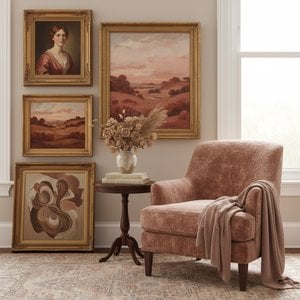
Explore 10 iconic paintings bathed in captivating rosy brown tones! From Rembrandt to Titian, discover the stories behind these masterpieces & their warm color palettes. Find museum-quality art reproductions and decor inspiration at .
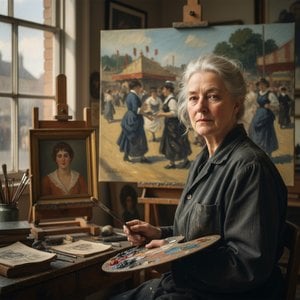
Explore the life & work of Dame Laura Knight, a pioneering British artist who challenged conventions with her vibrant depictions of theatre, ballet, and wartime scenes. Discover her feminist legacy & artistic innovations.
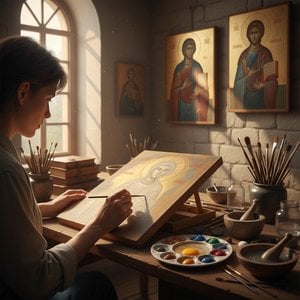
深入探索板上蛋彩画的起源、技法与历史意义。从古埃及到文艺复兴,揭秘其独特的材料工艺和艺术魅力。WahooArt.com为您提供专业的艺术咨询与定制服务。

Explore the powerful world of José Clemente Orozco, a key figure in Mexican Muralism. Discover his revolutionary art, social commentary, and lasting impact on 20th-century painting. Learn about his unique style & legacy.

Explore the revolutionary murals of Diego Rivera and his profound impact on Mexican art & identity. Discover his techniques, iconic works like 'Man at the Crossroads,' and lasting legacy with WahooArt.


第一时间获取最新的艺术新闻、独家优惠及装饰灵感。
向我们介绍您的项目需求,我们的艺术专家将为您提供 3 个个性化的艺术品推荐。
由我们的专家为您精选 3 款心仪之作 —— 完全免费!

 定制手绘复刻品
 分享
分享 分享
分享
 详情
详情

 下载
下载
 相似作品
相似作品 X射线检测
X射线检测 幻灯片播放
幻灯片播放

 展开详情
展开详情









 玻璃选项仅适用于110厘米以下的尺寸。


