
x


 Oil On CanvasWallArtOrientalist Painting
 1854
1854 56.0 x 130.0 cm
 耶鲁英国艺术中心




























从与原作比例一致的预设尺寸中进行选择。

您可以输入自定义尺寸,以适配特定的画框或空间。如果所选尺寸与原图比例不符,我们将通过裁剪作品或添加手绘元素来扩展画面。数字样稿将在制作开始前发送给您确认。
请注意,屏幕预览无法准确反映实际的裁剪或扩展效果,只有样稿才能真实呈现最终的构图。
虽然我们提供定制尺寸服务,但为了保留原作比例,建议您从预设列表中选择尺寸。

The Giudecca, Venice
复制品尺寸
David Roberts’s “The Giudecca, Venice” isn't merely a depiction of a cityscape; it’s a carefully constructed tableau of light, atmosphere, and the enduring spirit of a city steeped in history. Painted in 1854, during his prolific period documenting the Near East and Europe, this work offers a remarkably intimate view of Venice from across the lagoon – a moment suspended between the bustling activity of the water and the dignified solidity of the island’s architecture. Roberts, a Scottish painter celebrated for his meticulous Orientalist scenes and pioneering lithographs, masterfully captures the unique character of Venice, imbuing it with a sense of both timeless beauty and vibrant life.
The painting immediately draws the eye to the shimmering expanse of the lagoon, rendered in layers of delicate blues and greens. The water isn’t simply a backdrop; it's an active participant in the scene, reflecting the light and subtly distorting the shapes of the buildings along the Giudecca peninsula. Roberts’s brushwork is remarkably controlled – precise yet fluid – creating a sense of depth and movement that belies the static nature of a painted image. Notice how he uses broken color to suggest the play of sunlight on the water's surface, mimicking the dappled effect of light filtering through the Venetian mist.
Roberts was known for his exceptional technical skill, honed initially through an apprenticeship as a house painter. This foundational experience instilled in him a deep understanding of color mixing, perspective, and the application of paint – qualities that are evident throughout “The Giudecca.” He employed a technique often described as ‘plein air’ painting, working directly from observation to capture the fleeting effects of light and atmosphere. His palette is rich and nuanced, favoring subtle gradations of color rather than bold contrasts. The buildings themselves are rendered with remarkable detail – the weathered facades, the intricate window frames, and the delicate tracery of the arches all testify to Roberts’s meticulous attention to detail.
The painting's style leans towards Luminism, a movement emphasizing the effects of light and atmosphere. Roberts skillfully uses highlights and shadows to create a sense of volume and depth, drawing the viewer into the scene. The composition is carefully balanced, with the buildings arranged in a harmonious sequence that guides the eye across the canvas. There’s an almost photographic quality to the image – a testament to Roberts's keen observational skills and his ability to translate what he saw onto the canvas.
“The Giudecca, Venice” was created during a period of significant change in Europe. The Industrial Revolution was transforming society, while the rise of photography challenged traditional artistic practices. Roberts’s work reflects this dynamic environment – he embraced new techniques and approaches while remaining firmly rooted in the traditions of academic painting. His travels to the Middle East had profoundly influenced his artistic vision, imbuing his paintings with a sense of exoticism and cultural awareness.
The painting offers a valuable glimpse into Venice as it existed during the mid-19th century – a city grappling with the challenges of modernity while clinging fiercely to its rich history and traditions. The presence of numerous boats, including gondolas, speaks to the vital role that water played in Venetian life. The scene is alive with activity—merchants, laborers, and residents going about their daily routines. It’s a vibrant portrait of a city at the crossroads of East and West.
Beyond its technical brilliance, “The Giudecca, Venice” possesses a subtle emotional resonance. The painting evokes a sense of nostalgia for a bygone era – a time when Venice was a powerful maritime republic and a center of trade and culture. There’s also an underlying feeling of melancholy—a recognition that this once-great city is now facing the challenges of tourism and environmental degradation. Yet, despite these concerns, Roberts's painting celebrates the enduring beauty and spirit of Venice, capturing its essence with remarkable clarity and grace.
Reproductions of “The Giudecca, Venice” offer a stunning way to bring this iconic image into your home or office. WahooArt’s high-quality reproductions faithfully capture the painting's rich colors and intricate details, allowing you to appreciate Roberts’s artistry for generations to come.

大卫·罗伯茨(1796-1864)是一位苏格兰画家,以其细致的东方主义场景和一丝不苟的石版画而闻名。他的作品为 19 世纪中东提供了宝贵的视觉记录,将艺术表现与历史记录融为一体。
罗伯茨于 1796 年 10 月 24 日出生在爱丁堡附近的斯托克布里奇。他的早期生活充满了实际训练。十岁时,他开始师从房屋画家和装饰师加文·比戈(Gavin Beugo)。这段基础经历培养了他强大的技术技能,并通过晚上的艺术学习加以补充。
他最初的专业工作包括 1815 年重新装修斯科内宫。随后,他转向为詹姆斯·班尼斯特的马戏团绘制场景,磨练了创造沉浸式环境的技巧。这些早期的经历为他后来成为杰出的东方主义画家的成功奠定了基础。
罗伯茨的艺术发展受到他对不同文化和景观日益增长的兴趣的影响。虽然最初专注于戏剧布景,但他逐渐转向更独立的艺术追求。1832 年前往西班牙的旅行对他具有形成意义,激发了他对建筑细节和异国情调地点的兴趣。
然而,他 1838-1840 年在埃及和近东进行的大规模巡游真正定义了他的职业生涯。这些旅程为他提供了大量的草图和观察结果,他后来将其转化为他最著名的作品。他的风格并非受到任何一位艺术家的强烈影响,而是通过仔细的观察和技术掌握而发展起来的。
罗伯茨最著名的是《圣地、叙利亚、伊杜美亚、阿拉伯、埃及和努比亚》——一系列细节精致的石版画。这些图像捕捉了该地区古代遗址的壮丽和当代生活的活力。
1841 年,罗伯茨当选为皇家艺术研究院院士——这是对他对艺术界贡献的重要认可。
罗伯茨的艺术风格具有以下特点:
大卫·罗伯茨的作品在向欧洲观众普及中东方面发挥了关键作用。他的图像为许多人提供了一个了解一个大部分地区未知地区的视觉窗口,影响了旅行、学术研究和艺术表现。
他的石版画作为重要的历史文献,保存了自那以后已经改变或消失的遗址的图像。他给艺术世界留下了不可磨灭的印记,激励了后代艺术家,并继续吸引着今天的观众。

1796 - 1864 , 英国
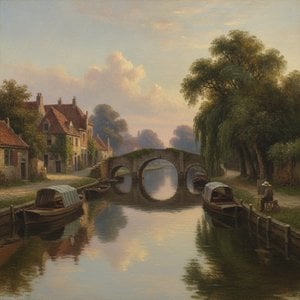
Embark on a visual journey through the tranquil beauty of canal scenes in fine art. Discover how master painters capture light, reflection, and serenity through impressionistic landscapes and timeless maritime masterpieces.

Embark on a visual journey through Italy's most iconic landscapes and Renaissance masterpieces. Discover the profound beauty of classical art, from Venetian altarpieces to serene countryside vistas, curated for the discerning art enthusiast and collector.


第一时间获取最新的艺术新闻、独家优惠及装饰灵感。
向我们介绍您的项目需求,我们的艺术专家将为您提供 3 个个性化的艺术品推荐。
由我们的专家为您精选 3 款心仪之作 —— 完全免费!


 效果预览
效果预览
 购买印刷品
购买印刷品 分享
分享 分享
分享
 详情
详情

 下载
下载
 相似作品
相似作品 X射线
X射线 幻灯片播放
幻灯片播放 展开详情
展开详情









 玻璃选项仅适用于110厘米以下的尺寸。


