x
效果预览效果预览 AR 预览AR 预览 购买印刷品 购买印刷品购买图片 购买图片 分享分享
详情详情 加入收藏 加入收藏 下载下载 相似作品相似作品 X射线X射线 幻灯片播放幻灯片播放

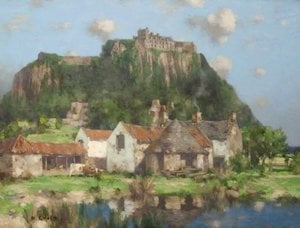
East Linton Mill

David Gauld's 'East Linton Mill' captures the serene beauty of a Scottish village with its picturesque pond and surrounding trees—a testament to his pioneering Glasgow Style and stained glass innovation.

Discover David Gauld (1865-1936), a pivotal Glasgow Boys artist known for oil paintings & stained glass. Influenced by Japanese art & Pre-Raphaelites, his work foreshadowed Art Nouveau. Explore cows, mills, and portraits in Scottish galleries.

手工油画复制品

由我们的艺术家按需定制,为您提供您所选尺寸及画框的布面手工油画。 (购买印刷品 购买印刷品购买图片 购买图片)

P118B $10
P118H $10
P118W $10
P438Z $10
P508JH $12
P508YH $12
P805H $10
P805Z $10
P919BZ $10
P919G $10
P919XJ $10
P959ZH $10
P968JZ $12
W106C $8
W218G $10
W218JH $8
W218Y $10
W307PJ $10
W316G $10
W316PJ $8
W316Y $10
W398PJ $8
W4111J $10
W500HY $15
W500JH $15
W692G $12
W849H $8
W940BG $15
W953PJ $8

标准尺寸
定制
CM
INCH

从与原作比例一致的预设尺寸中进行选择。

宽度
高度

您可以输入自定义尺寸,以适配特定的画框或空间。如果所选尺寸与原图比例不符,我们将通过裁剪作品或添加手绘元素来扩展画面。数字样稿将在制作开始前发送给您确认。
请注意,屏幕预览无法准确反映实际的裁剪或扩展效果,只有样稿才能真实呈现最终的构图。
虽然我们提供定制尺寸服务,但为了保留原作比例,建议您从预设列表中选择尺寸。

可定制示例:将面部替换为客户照片;添加宠物(例如,将猫替换为狗);在背景中加入隐藏信息;更改背景风景或元素。
下单后,WahooArt.com 团队将通过电子邮件联系客户获取具体要求,并提供效果预览图。

全球配送(),仅需 3-4 周即可送达,无需等待标准时效的 5 周。(29 August)。品质绝不妥协。

why_choose_icon
全球免费特快专递服务
why_choose_icon
优质亚麻画布
why_choose_icon
全程运输保险
why_choose_icon
关税退款保证
why_choose_icon
色彩还原度保证
why_choose_icon
60天退货政策(仅限制造缺陷)
why_choose_icon
100%退款保证
why_choose_icon
多件购买优惠

总计金额

$ 272

reproduction

East Linton Mill

复制材质

复制品尺寸

-

最终总价

$ 272

作品概览

  • Location: Glasgow Museums
  • Title: East Linton Mill
  • Artistic style: Impressionism
  • Notable elements or techniques: Detailed depiction of rural landscape
  • Movement: Glasgow Style
  • Medium: Oil on Canvas
  • Artist: David Gauld

艺术知识测试

每道题只有一个正确答案。

题目 1:
What is the primary subject matter depicted in ‘East Linton Mill’?
题目 2:
Who is credited with designing the iconic conical red pantile roof of Preston Mill?
题目 3:
‘East Linton Mill’ exemplifies which artistic movement's influence?
题目 4:
In what year was Preston Mill transferred to the care of the National Trust for Scotland?
题目 5:
What type of material is predominantly used in the construction of Preston Mill’s buildings?

David Gauld’s East Linton Mill: A Testament to Scottish Landscape Painting

The painting “East Linton Mill” by David Gauld (1867–1936) stands as an exemplar of Glasgow Style landscape art, encapsulating the spirit of Victorian Scotland and reflecting a profound engagement with Japanese printmaking traditions alongside Pre-Raphaelite ideals. More than just a depiction of a rural scene—a modest brick building nestled beside a tranquil pond fringed by mature trees—it’s a carefully constructed meditation on beauty, industry, and the harmonious coexistence of man and nature. Gauld's masterful technique—characterized by meticulous detail and subtle tonal gradations—captures not merely what is seen but also how it feels to observe this idyllic corner of East Lothian.
  • Subject Matter: The painting focuses on a picturesque village mill, prominently positioned against the backdrop of a serene lake and surrounding woodland. This deliberate choice aligns with the Glasgow Boys’ fascination for capturing quintessential Scottish landscapes—scenes imbued with atmospheric qualities that evoke emotion and contemplation.
  • Style & Technique: Gauld employed a distinctive Glasgow Style approach, prioritizing tonal harmony and expressive brushwork over photographic realism. He skillfully utilized glazing techniques – applying thin layers of translucent paint over underlying colors – to achieve luminous effects and imbue the canvas with depth and vibrancy. The meticulous rendering of textures—particularly in the stonework of the mill building and the ripples on the lake’s surface—demonstrates Gauld's dedication to capturing the materiality of his subject matter.
  • Historical Context: Created during the late Victorian era, “East Linton Mill” reflects the broader artistic currents of its time. The Glasgow Boys movement championed a Romantic sensibility rooted in Japanese prints and influenced by Pre-Raphaelite artists like John Ruskin and Dante Gabriel Rossetti. These influences encouraged painters to explore themes of spirituality, mythology, and idealized beauty—values that resonate powerfully within Gauld’s composition.
  • Symbolism: The mill itself serves as a potent symbol of Scottish industry and heritage, representing both practical utility and aesthetic grandeur. Its placement beside the lake reinforces the idea of balance – the industrious human endeavor tempered by the restorative power of nature. Furthermore, the dappled sunlight filtering through the trees contributes to an atmosphere of tranquility and serenity, inviting viewers to contemplate the sublime beauty of the natural world.
  • Emotional Impact: Gauld’s painting succeeds in conveying a palpable sense of peace and nostalgia. The muted palette—dominated by earthy tones—creates a mood that is both comforting and contemplative. The artist's careful attention to detail invites viewers into the scene, fostering an emotional connection with its timeless charm. It’s a piece that speaks to the enduring fascination for landscapes that capture the essence of Scottish identity.
Further Research: You can explore “The Mill” at Art UK () and delve into David Gauld’s biography on Wikipedia () to gain deeper insights into his artistic vision and the broader context of Glasgow Style landscape painting. Don't miss the East Linton Library () for local history resources, or consider commissioning a high-quality reproduction from Vancouver Whitecaps () to bring this masterpiece into your home. Finally, Pinterest offers visual inspiration:

艺术家简介

The Visionary of Glasgow: The Life and Art of David Gauld

In the vibrant, shifting landscape of late nineteenth-century Scotland, few artists captured the intersection of tradition and modernity as gracefully as David Gauld. Born in Glasgow in 1865, Gauld emerged not merely as a painter, but as a pioneer who bridged the gap between the delicate intricacies of graphic design and the monumental presence of stained glass. His journey was one of profound aesthetic evolution, deeply rooted in the artistic ferment of the Glasgow Boys movement, a group that sought to break free from the rigid academicism of the era in favor of more naturalistic, emotive, and experimental approaches.

Gauld’s early creative impulses were shaped by a meticulous eye for detail, a trait honed during his formative years as a lithographer. When he entered the Glasgow School of Art in 1882, he brought with him a burgeoning fascination with the aesthetics of the East. This period was marked by an intense engagement with Japanese prints, whose flattened perspectives and bold, calligraphic lines would forever haunt his compositions. His early public recognition arrived through his evocative pen and ink drawings for The Glasgow Weekly Citizen, works that demonstrated a masterful command of line and a rhythmic, organic sensibility that hinted at the Art Nouveau revolution still on the horizon.

A Synthesis of Light and Line

As Gauld’s career progressed, his artistic medium expanded from the delicate surface of paper to the luminous, translucent medium of stained glass. This transition allowed him to explore the interplay of light and color in a way that few of his contemporaries could match. During his time in Kirkcudbright between 1891 and 1894, Gauld undertook significant commissions for Guthrie and Wells, creating windows that were much more than mere architectural ornaments. These works were tapestries of light, where the organic, flowing forms of the Art Nouveau style met the soulful, symbolic depth of the Pre-Raphaelite tradition.

His technique in glasswork was characterized by a profound understanding of how color interacts with natural illumination. By manipulating texture and pigment, he could evoke a sense of atmosphere that felt both ethereal and grounded. This mastery of medium reflected his broader artistic philosophy: a belief that art should not only represent the world but also transform the space it inhabits. Whether working in oil, ink, or glass, Gauld sought to capture the essence of his subjects—be they the quiet dignity of a portrait or the rugged beauty of the Scottish landscape—through a lens of stylized elegance.

Legacy and Historical Significance

The trajectory of David Gauld’s life was marked by both collaboration and solitary refinement. His associations with other luminaries of the Glasgow School, such as William Stewart Shirreffs and Harrington Mann, placed him at the heart of a transformative period in Scottish art history. Even as his professional relationships shifted and he relocated between Glasgow, Kirkcudbright, and North Berwick, his commitment to innovation remained steadfast. He stood as a vital link between the nineteenth-century fascination with naturalism and the twentieth-century embrace of decorative modernism.

Today, Gauld is remembered as an artist of immense versatility and foresight. His ability to synthesize diverse influences—from the precision of Japanese woodblock prints to the romanticism of the Pre-Raphaelites—allowed him to contribute a unique voice to the Glasgow Style. His legacy lives on in the enduring beauty of his glasswork and the quiet, powerful presence of his paintings, which continue to resonate with an appreciation for craftsmanship, light, and the enduring spirit of Scottish innovation.

David Gauld

David Gauld

1865 - 1936 , United Kingdom

艺术家简介

  • Artistic Movement Or Style: Glasgow Boys; Art Nouveau; Pre-Raphaelites; Japanese influence
  • Artists Or Movements Influenced By This Artist: ['Japanese art']
  • Artists Who Influenced This Artist: ['William Stewart Macgeorge']
  • Date Of Birth: Glasgow, United Kingdom (1865)
  • Date Of Death: 1936
  • Full Name: David Gauld
  • Nationality: Scottish
  • Notable Artworks:
    • St Agnes
    • Music
  • Place Of Birth: Glasgow
探索按主题、风格和特征分类的艺术作品。