
博物馆级艺术微喷或帆布版画,制作高效,并提供多种饰面选择。 ( 购买手绘画作 Switch to Digital Image)





























从与原作比例一致的预设尺寸中进行选择。

您可以输入自定义尺寸,以适配特定的画框或空间。如果您选择的尺寸与原图比例不符,我们将对作品进行裁剪,或通过镜像填充/纯色填充边缘的方式来扩展图像。在开始制作之前,我们会向您发送一份数字效果图供您确认。
请注意,屏幕上的预览并不能反映实际的裁剪或扩展效果。只有效果图才能准确展示最终的构图。
虽然我们提供定制尺寸,但为了保持原图比例,我们建议您从预设列表中选择尺寸。

Going to the Hayfield
复制品尺寸
David Cox's "Going to the Hayfield," painted in 1849, isn’t merely a landscape; it’s a carefully constructed distillation of Romantic sensibility and a profound connection to the English countryside. This evocative piece, now beautifully reproduced, transports us to a specific moment – a quiet afternoon as figures journey towards a hayfield bathed in the diffused light of an overcast sky. Cox, a pivotal figure bridging the gap between earlier landscape traditions and the burgeoning Impressionism of his time, masterfully captures not just the visual elements but also the atmosphere and emotional resonance of rural life.
Cox’s style is distinctly Romantic, prioritizing mood and feeling over precise detail. He eschews sharp outlines and meticulous rendering in favor of loose, expressive brushstrokes that create a sense of movement and texture throughout the canvas. The painting feels less like a photographic representation and more like an emotional response to the scene – a memory imbued with tranquility and a subtle melancholy. The muted color palette—dominated by earthy greens, browns, and grays punctuated by hints of red in the figures’ clothing—further enhances this atmospheric effect, suggesting a timelessness that transcends any specific date or season.
The composition is deliberately horizontal, emphasizing the vast expanse of the sky which dominates nearly two-thirds of the canvas. This expansive view immediately establishes a sense of scale and invites the viewer to lose themselves in the landscape. A subtle foreground—a simple fence and patches of foliage—serves as a gentle guide, drawing our eye towards the middle ground where the figures are positioned. The low horizon line reinforces this feeling of openness and amplifies the drama of the sky. Cox skillfully employs atmospheric perspective; distant elements recede into a hazy blue distance, creating an illusion of depth and suggesting the immense scale of the countryside.
The placement of the figures – a small group riding horseback and walking alongside a fence – is crucial to the painting’s narrative. They are not imposing subjects but rather integrated seamlessly within the landscape, representing humanity's quiet interaction with nature. Their presence anchors the scene while simultaneously highlighting its inherent beauty and solitude.
“Going to the Hayfield” is rich in symbolic meaning, reflecting the core tenets of the Romantic movement. The overcast sky, often interpreted as a symbol of introspection or contemplation, lends a subtle melancholy to the scene. It’s not a bright, celebratory landscape; rather, it evokes a sense of quiet reflection and connection to something larger than oneself. The hayfield itself represents abundance and sustenance – a vital element of rural life and a reminder of nature's generosity. Cox’s choice of subject matter—a simple, everyday activity—elevates it to an artistic statement about the beauty and value of the natural world.
Cox’s technique is characterized by a layering of colors applied with loose brushstrokes. He builds up the image gradually, creating a sense of depth and texture through subtle variations in tone and hue. The use of oil paint on canvas allows for rich color saturation and blending—essential to achieving the painting's atmospheric effect. The artist’s deliberate avoidance of sharp lines contributes to the overall feeling of softness and fluidity. It is a testament to Cox’s skill that this seemingly simple landscape feels so profoundly alive, capturing not just what he saw but also how he *felt* about it.

1783年4月29日,大卫·考克斯出生于英国伯明翰德里滕德。他的父亲是一位铁匠和白铁匠,为伯明翰的枪支贸易提供零件。母亲则出身于一个农场家庭,受过良好的教育并拥有坚强的性格。考克斯早年的生活环境充满了朴实与勤劳,这或许也为他日后对乡村风景的热爱埋下了伏笔。他最初在约瑟夫·巴伯的学院学习绘画,在那里结识了查尔斯·巴伯和威廉·拉德克利夫两位同学,这段经历开启了他艺术生涯的第一步。
15岁时,考克斯成为阿尔伯特·菲尔德的学徒,菲尔德是一位专门从事肖像微型画和装饰绘画的画家,作品对象包括烟草盒等。早期的训练为他打下了坚实的基础技能。1804年,考克斯搬到伦敦并与房东的女儿玛丽·拉格结婚。然而,真正改变他艺术生涯轨迹的关键事件发生在1805年,他和查尔斯·巴伯前往威尔士旅行。这次旅行标志着他一生中无数次写生之旅的开始,这些旅行深刻地影响了他的艺术风格。
从1805年起,考克斯开始定期在皇家学院展出作品,最初靠教绘画为生。1808年,亨利·温莎上校成为他的第一位学生。早期的作品主要集中于细节丰富的风景水彩画,常常描绘乡村景色和建筑主题。随着时间的推移,考克斯的风格逐渐演变。他从精确的地图式描绘转向一种更具表现力和氛围感的绘画方式。尽管具体的艺术影响尚有争议,但他的作品展现出对17世纪荷兰风景画家以及康斯太勃尔自然观察力的亲和力。
考克斯以其流畅的笔触、鲜艳的色彩和捕捉光线与天气的能力而闻名。他后期的油画作品尤其具有创新性,充分展现了他对绘画技巧的掌握。在职业生涯后期,考克斯创作了超过300幅油画作品,这些作品如今被认为是“英国画家最伟大但却最不为人知的成就之一”。他是一位伟大的英国风景画家和英国水彩黄金时代的杰出人物。他的作品对后世的许多风景画家产生了深远的影响。
代表作:《风吹荒原》、《赫里福德郡小屋》、《塞文河与怀河交汇处,远处是切普斯托城堡》和《月光风景》是他最受赞誉的画作之一。考克斯被公认为印象派的先驱者之一。他对捕捉瞬间氛围效果的强调以及他流畅的笔触预示了后来印象派画家所采用的许多绘画技巧。他还在确立英国风景画作为一种独特流派方面发挥了关键作用,从纯粹的地图式描绘转向更具表现力和情感色彩的自然诠释。
大卫·考克斯的作品至今仍备受赞赏,其美丽、敏感和持久的魅力吸引着无数艺术爱好者的目光。他是一位真正的艺术家,用画笔记录了英国乡村的美丽景色,并为后世留下了宝贵的艺术遗产。

1783 - 1859 , 英国

Explore the captivating landscapes of David Cox the Elder, a pivotal figure in British Romanticism. Discover his masterful watercolour techniques, enduring legacy & find timeless art for your home at WahooArt.

探索康斯塔布尔的25幅传世杰作!沉浸于英国田园风光,感受浪漫主义绘画大师的光影与色彩。高清油画复制、艺术品购买尽在WahooArt.com,为您的家居增添经典之美。立即在线探索完整系列!

Explore the captivating world of watercolor painting! Discover its rich history, essential techniques, influential artists & collecting tips. A comprehensive guide for art enthusiasts from WahooArt.

探索浪漫主义风景画的巅峰!本文精选十部经典名作,带您领略莫奈、库尔贝等大师的艺术魅力。感受色彩与光影的诗意,重温自然风光的震撼。WahooArt.com为您提供博物馆级别的艺术复制品和个性化家居装饰方案。尽在WahooArt.com!
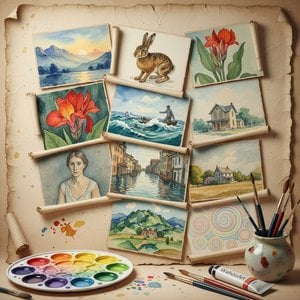
Journey through 10 legendary watercolor masterpieces by Sargent, Turner & Homer! Explore iconic landscapes, portraits & floral art that redefined history. Find museum-quality reproductions and curated decor ideas at WahooArt.com.


 效果预览
效果预览
 分享
分享 分享
分享
 详情
详情

 下载
下载
 相似作品
相似作品 X射线
X射线 幻灯片播放
幻灯片播放 Stats
Stats


 展开详情
展开详情









 玻璃选项仅适用于110厘米以下的尺寸。


