
 Acrylic On CanvasWallArtCubist Abstraction
 1921
1921 35.0 x 50.0 cm
 阿什莫利博物馆
博物馆级艺术微喷或帆布版画,制作高效,并提供多种饰面选择。 ( 订购此收藏品的纯手工复刻画作 切换至数字图像销售渠道)





























您可以从与原作比例一致的预设尺寸中进行选择。

您可以输入自定义尺寸,以适配特定的画框或空间。如果您选择的尺寸与原图比例不符,我们将对作品进行裁剪,或通过镜像填充/纯色填充边缘的方式来扩展图像。在开始制作之前,我们会向您发送一份数字效果图供您确认。
请注意,屏幕上的预览并不能反映实际的裁剪或扩展效果。只有效果图才能准确展示最终的构图。
虽然我们提供定制尺寸,但为了保持原图比例,我们建议您从预设列表中选择尺寸。
Circus (Abstract Composition)
复刻品尺寸说明
David Bomberg's "Circus (Abstract Composition)," painted in 1921, isn’t merely a depiction of a traveling show; it’s an explosion of energy, emotion, and the restless spirit of early modernism. This vibrant canvas, now housed at the Ashmolean Museum in Oxford, captures a fleeting moment within a chaotic yet strangely ordered spectacle – a testament to Bomberg's unique ability to distill complex experience into powerful visual form. The painting immediately assaults the senses with its bold palette: assertive blues and reds clash dynamically against yellows and whites, creating an atmosphere of both excitement and underlying tension.
Bomberg’s style during this period was deeply influenced by the avant-garde movements sweeping through Europe. He absorbed the geometric abstraction of Cubism – evident in the fragmented forms suggesting figures and structures – while simultaneously embracing the dynamism and expressive power of Futurism, particularly its fascination with movement and speed. The painting's composition isn’t static; it feels like a captured rush, a snapshot of a scene perpetually in motion. Notice how the figures are reduced to angular shapes, almost dissolving into the swirling colors, mirroring the fragmented reality presented by Cubist principles.
Born in Birmingham in 1890, David Bomberg’s early life was shaped by his Polish-Jewish heritage and a challenging upbringing. He initially trained as a lithographer but quickly gravitated towards painting, finding himself drawn to the radical artistic currents of the time. He became part of the “Whitechapel Boys,” a group of East End artists who pushed against established conventions and experimented with new forms of expression. This group, including Mark Gertler and Stanley Spencer, formed a vital network of support and influence during a period of significant social and political upheaval in Britain.
Bomberg’s artistic journey was marked by experimentation and controversy. His early work, particularly his engagement with Cubism and Futurism, drew criticism from some quarters who viewed these movements as overly abstract or even decadent. However, Bomberg remained steadfast in his pursuit of a new visual language, reflecting the anxieties and aspirations of a rapidly changing world. His expulsion from the Slade School of Art in 1913, due to his perceived disregard for traditional artistic methods, further solidified his position as an outsider artist challenging established norms.
While seemingly abstract, “Circus” is rich with symbolic potential. The figures themselves – a jumble of shapes suggesting people and animals – represent not individual portraits but rather archetypal elements of the circus experience: performers, spectators, and the spectacle itself. The swirling colors aren’t simply decorative; they convey a sense of disorientation, excitement, and perhaps even underlying unease. The dominant blues could symbolize both the vastness of the sky and the melancholy associated with transient experiences.
Consider the elephant in the center of the composition. It's not rendered realistically but rather as a powerful, simplified form – a symbol of strength, memory, and perhaps even the weight of tradition. The overall effect is one of controlled chaos, inviting the viewer to contemplate the complexities of human experience within a world of illusion and spectacle. Bomberg masterfully uses color and form to evoke a visceral response, capturing not just what he saw but also how he *felt* about it.
“Circus (Abstract Composition)” stands as a pivotal work in David Bomberg’s oeuvre and a significant example of early British abstraction. It demonstrates his willingness to embrace radical experimentation, blending influences from Cubism, Futurism, and his own unique artistic vision. His exploration of form, color, and emotion paved the way for subsequent generations of artists, solidifying his place as a key figure in the development of modern art in Britain. Reproductions of this dynamic painting continue to resonate with viewers today, offering a glimpse into the turbulent yet exhilarating world of early 20th-century artistic innovation.
"Circus (Abstract Composition)"创作于1921年,采用了Acrylic On Canvas技法。材质与日期说明了原作的创作方式及时间。
大卫·邦伯格 在作品《Circus (Abstract Composition)》中运用了 Acrylic On Canvas 技法。该技法界定了原作的材质特性。
"Circus (Abstract Composition)"创作于1921年。这一日期将该作品置于大卫·邦伯格的艺术生涯及其所处时代之中。
《Circus (Abstract Composition)》被归为大卫·邦伯格的作品。
不——该作品目前存放于海外。大卫·邦伯格出生于英国,而原作《Circus (Abstract Composition)》则由位于United Kingdom的一家博物馆收藏。
当"Circus (Abstract Composition)"于1921创作时,出生于1890的大卫·邦伯格正值31岁。
凭借其Landscape的形态,建议将《Circus (Abstract Composition)》复制品用于装饰Living Room。

大卫·博姆伯格出生于波兰犹太移民家庭,父母为亚伯拉罕与丽贝卡·博姆伯格。他最初在伦敦城市与公会技术艺术学校学习,随后在伯明翰接受了石版画家专业的训练。
1908年至1910年间,他在威斯敏斯特艺术学院师从沃尔特·西柯特,深受西柯特对形式与城市生活关注的影响。通过1910年罗杰·弗莱举办的“马奈与后印象派”展览,他得以深入接触保罗·塞尚的作品。1911年,他进入斯莱德艺术学院深造,并凭借其描绘同学艾萨克·罗森伯格的素描作品荣获了通克斯奖。
第一次世界大战期间作为一名普通士兵的经历,深刻地改变了他的艺术视野,促使他的创作重心从抽象主义转向了其他领域。
进入20世纪20年代,博姆伯格开始采用更具具象色彩的风格,专注于直接取材于自然的肖像与风景画。他逐渐发展出一种愈发强烈的表现主义技法,其作品以厚重的肌理感和充沛的情感张力为显著标志。
他在中东(尤其是巴勒斯坦)以及欧洲的广泛游历,对其晚期创作产生了重大影响,其中他对耶路撒冷的描绘尤为令人瞩目。

1890 - 1957 , 英国

探索抽象表现主义的十幅经典杰作!波洛克、罗斯科等大师作品,揭秘艺术史上的重要瞬间。WahooArt.com为您呈现高品质艺术品复制和精选家居装饰方案,感受现代艺术的力量与魅力。立即浏览全系列!
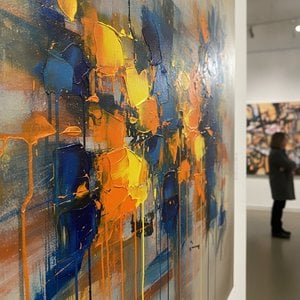
Master the high-impact world of contemporary abstraction. Discover how bold colors, textures, and modern movements like Abstract Expressionism can transform your space with premium, high-energy art curated for the design-conscious professional.

Explore the life & work of Jean Metzinger, a pivotal Cubist painter and theorist. Discover his innovations in proto-Cubism, 'Du Cubisme,' and Crystal Cubism – a journey through modern art's evolution.
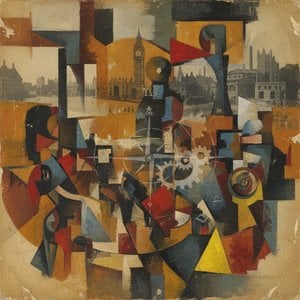
Explore the groundbreaking work of David Bomberg, a pivotal figure in British abstraction. Discover his artistic evolution, influences, and lasting legacy through insightful analysis & expert commentary.

探索几何抽象艺术的十大杰作!康定斯基、蒙德里安等大师作品,色彩构成与非具象之美。WahooArt.com提供博物馆级艺术复制品,为您的家居带来现代艺术灵感。立即在线探索完整系列!


 实景预览
实景预览
 发送
发送 分享
分享
 详情
详情 指南
指南

 下载图片
下载图片
 相似作品
相似作品 X射线
X射线 幻灯片播放
幻灯片播放 统计数据
统计数据 阅读全文
阅读全文









 玻璃选项仅适用于110厘米以下的尺寸。


