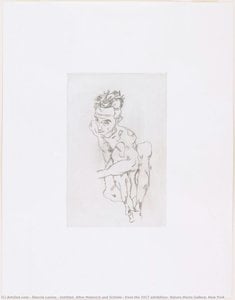
博物馆级艺术微喷或帆布版画,制作高效,并提供多种饰面选择。 ( 购买手绘画作 切换至数字图像销售渠道)





























从与原作比例一致的预设尺寸中进行选择。

您可以输入自定义尺寸,以适配特定的画框或空间。如果您选择的尺寸与原图比例不符,我们将对作品进行裁剪,或通过镜像填充/纯色填充边缘的方式来扩展图像。在开始制作之前,我们会向您发送一份数字效果图供您确认。
请注意,屏幕上的预览并不能反映实际的裁剪或扩展效果。只有效果图才能准确展示最终的构图。
虽然我们提供定制尺寸,但为了保持原图比例,我们建议您从预设列表中选择尺寸。

Benchers Hall, Inner Temple
复制品尺寸
To stand before this charcoal rendering of Benchers Hall within the Inner Temple is not merely to observe an architectural facade; it is to step into a moment suspended between rigorous structure and profound introspection. David Bomberg, in this evocative work from 1947, has achieved something far more elusive than mere documentation. He has captured the very atmosphere—the weighty, scholarly breath—of these ancient halls. The subject matter, undeniably architectural, serves as a vessel for his deeply personal vision. One can almost hear the hushed tones of debate and the rustle of centuries-old parchment echoing off the stone walls depicted.
Technically, this piece is a breathtaking study executed in charcoal on paper. Bomberg’s handling of the medium is nothing short of masterful. The monochromatic palette—a rich interplay of blacks, grays, and whites—allows the texture of the charcoal itself to become a primary artistic element. Observe how he uses hatching and cross-hatching; these are not just shading techniques but dynamic lines that build form from suggestion rather than solid outline. While the underlying geometry of the arches and windows suggests classical order, Bomberg’s line quality refuses to be purely academic. It possesses a restless energy, a loose sketchiness juxtaposed against firm structural definitions, giving the entire composition a vibrant, almost vibrating life force.
The way Bomberg structures the scene is particularly compelling. The strong horizontal sweep of the hall anchors the piece, yet this stability is countered by diagonal recession suggested by the pathway leading into the depth. He manipulates perspective with an intuitive grace; it is not a photographically perfect view, but rather an emotionally calibrated one. This deliberate fragmentation—the way elements seem slightly abstracted or viewed from an unusual angle—is key to its power. It forces the viewer’s eye to wander, searching for coherence within the expressive chaos, mirroring the intellectual process of deep study itself.
Given the date, 1947, this work carries an undeniable resonance with the post-war spirit. The somewhat melancholic, diffused lighting and the fragmented nature of the depiction can be read as a reflection on disruption—the sense that even the most enduring institutions must pass through periods of questioning or change. Bomberg transcends the role of chronicler; he becomes interpreter. The Inner Temple, usually symbols of immutable law and tradition, are rendered with an underlying current of introspection, suggesting that true permanence lies not in stone, but in the ideas nurtured within those walls.
For collectors or designers seeking art that speaks to history, intellect, or quiet contemplation, this reproduction offers unparalleled depth. It is a piece that rewards close looking; one might spend hours tracing the interplay of shadow and line, discovering new textures in the charcoal as the light shifts. Owning this work means curating not just an object for a space, but an enduring mood—a sophisticated echo of academic grandeur tempered by the raw, passionate energy of modern expressionism.

大卫·博姆伯格出生于波兰犹太移民家庭,父母为亚伯拉罕与丽贝卡·博姆伯格。他最初在伦敦城市与公会技术艺术学校学习,随后在伯明翰接受了石版画家专业的训练。
1908年至1910年间,他在威斯敏斯特艺术学院师从沃尔特·西柯特,深受西柯特对形式与城市生活关注的影响。通过1910年罗杰·弗莱举办的“马奈与后印象派”展览,他得以深入接触保罗·塞尚的作品。1911年,他进入斯莱德艺术学院深造,并凭借其描绘同学艾萨克·罗森伯格的素描作品荣获了通克斯奖。
第一次世界大战期间作为一名普通士兵的经历,深刻地改变了他的艺术视野,促使他的创作重心从抽象主义转向了其他领域。
进入20世纪20年代,博姆伯格开始采用更具具象色彩的风格,专注于直接取材于自然的肖像与风景画。他逐渐发展出一种愈发强烈的表现主义技法,其作品以厚重的肌理感和充沛的情感张力为显著标志。
他在中东(尤其是巴勒斯坦)以及欧洲的广泛游历,对其晚期创作产生了重大影响,其中他对耶路撒冷的描绘尤为令人瞩目。

1890 - 1957 , 英国

Discover the profound power of Expressionist art. From the raw intensity of Edvard Munch to the visceral textures of Neo-Expressionism, explore how subjective emotion and distorted reality define this movement. An expert guide for discerning collectors seeking depth and soul in fine art.

Elevate your artistry with this definitive expert guide to mastering charcoal. Designed for art students, learn professional techniques for capturing profound depth, intricate textures, and dramatic shadows through advanced blending and chiaroscuro methods.

Explore the profound artistry of graphite drawing. Discover professional techniques for mastering depth, texture, and detail through a lens of art history, from classical sketches to modern masterpieces. Elevate your understanding of the pencil medium with our expert guide.

Elevate your artistic practice with this expert guide to mastering the line. Discover advanced techniques in graphite, charcoal, and contour drawing designed for art students seeking technical precision and expressive depth in their fine art studies.

Discover the sophisticated mastery of graphite drawing. Explore expert techniques for achieving profound depth, intricate texture, and hyper-realistic detail through the alchemy of carbon, curated for the discerning art enthusiast and professional collector.


 效果预览
效果预览
 分享
分享 分享
分享
 详情
详情

 下载
下载
 相似作品
相似作品 X射线
X射线 幻灯片播放
幻灯片播放 统计数据
统计数据


 展开详情
展开详情









 玻璃选项仅适用于110厘米以下的尺寸。