
 Acrylic On CanvasWallArtBaroque
 1650
1650 172.0 x 123.0 cm
 卢浮宫
卢浮宫博物馆级艺术微喷或帆布版画,制作高效,并提供多种饰面选择。 ( 购买手绘画作 切换至数字图像销售渠道)





























从与原作比例一致的预设尺寸中进行选择。

您可以输入自定义尺寸,以适配特定的画框或空间。如果您选择的尺寸与原图比例不符,我们将对作品进行裁剪,或通过镜像填充/纯色填充边缘的方式来扩展图像。在开始制作之前,我们会向您发送一份数字效果图供您确认。
请注意,屏幕上的预览并不能反映实际的裁剪或扩展效果。只有效果图才能准确展示最终的构图。
虽然我们提供定制尺寸,但为了保持原图比例,我们建议您从预设列表中选择尺寸。

Oriental Warrior
复制品尺寸
Pier Francesco Mola's "Oriental Warrior," painted circa 1650, is more than just a portrait; it’s a meticulously crafted window into the cultural currents of 17th-century Italy and the burgeoning fascination with the East. This arresting image, now beautifully reproduced by WahooArt.com, transports us to a world of opulent attire, martial prowess, and subtle symbolism—a testament to Mola's skill as a landscape painter who skillfully incorporated elements of exoticism into his work. The painting’s immediate impact lies in its dramatic chiaroscuro, the masterful interplay of light and shadow that sculpts the warrior’s form and imbues the scene with an almost theatrical intensity.
Mola, known as “Il Ticinese” for his Swiss origins, was a pivotal figure within the Baroque landscape tradition. While often associated with grand frescoes, he carved out a unique niche through smaller, intensely detailed canvases like this one. His training under Cavalier d’Arpino instilled in him an appreciation for classical ideals, while his collaboration with Francesco Albani exposed him to the burgeoning interest in naturalistic observation—a crucial element that distinguishes Mola's work from the more overtly decorative styles prevalent in Rome at the time. The painting reflects this dual influence: a sophisticated understanding of artistic principles tempered by a keen eye for detail and realism.
The central figure, dressed in the rich attire of an Oriental warrior, immediately commands attention. His turban, adorned with a vibrant feather, speaks to his rank and status—a clear indication of his position within a hierarchical society. The dark robe and patterned vest further emphasize this sense of authority, while the two bows held aloft are not merely symbols of martial skill but also represent control, discipline, and mastery over one’s domain. The choice of materials – rich fabrics, intricate patterns – speaks to wealth and power, reflecting the values prized in many Eastern cultures depicted during this period.
Beyond the surface details, the attire carries deeper symbolic weight. The turban itself has been associated with leadership and spiritual authority across numerous cultures, adding another layer of meaning to the portrait. The warrior’s stance—confident yet poised—suggests not only physical strength but also mental fortitude and strategic thinking. He is a figure of command, embodying both power and grace.
Mola masterfully employs a cloudy sky as the backdrop, creating depth and atmosphere while simultaneously mirroring the warrior’s internal state—perhaps hinting at the challenges and responsibilities that come with leadership. The clouds are rendered with remarkable realism, demonstrating Mola's commitment to capturing the nuances of natural light and shadow. The painting was created during a period of intense interest in the Orient, fueled by trade routes, diplomatic exchanges, and a growing desire for exotic goods and experiences.
Notably, “Oriental Warrior” emerged during a time of conflict between Venice and Turkey (1645-56), adding another layer to its interpretation. The painting can be viewed as a reflection of this geopolitical tension—a celebration of military prowess amidst a backdrop of political instability. The subject matter itself – a Barbary Pirate – further underscores the era’s fascination with maritime adventure and the allure of distant lands.
Today, through WahooArt.com's meticulous reproductions, “Oriental Warrior” is accessible to a wider audience than ever before. The high-quality prints capture the painting’s rich colors, intricate details, and dramatic lighting with remarkable accuracy. Whether adorning a grand salon or a smaller study, this artwork offers a captivating glimpse into a bygone era—a testament to Mola's artistic vision and a timeless celebration of human strength, skill, and cultural exchange.
To acquire a high-quality reproduction of “Oriental Warrior” is not merely to purchase an image; it’s to bring home a piece of art history – a window into the world of 17th-century Italy and its enduring fascination with the Orient.

1612年,皮埃托·弗朗切斯科·莫拉(Pietro Francesco Mola)出生于瑞士科尔德雷里奥那片宁静的角落。这位被世人尊称为“提契诺人”(Il Ticinese)的艺术家,从阿尔卑斯山的阴影中走来,最终成为了罗马巴洛克艺术核心地带的一抹璀璨光芒。他的艺术灵魂是在多种风格的精妙交织中锻造而成的:起初,他在风格主义大师卡瓦利埃·达尔皮诺(Cavalier d'Arpino)门下接受了严苛的训练,这段早期的艺术教育赋予了他对disegno——即严谨的素描功底与解剖学精准度——的深厚敬畏,这为他日后对自然界更为灵动、流动的探索奠定了坚实的结构骨架。随着他步入弗朗切斯科·阿尔巴尼(Francesco Albani)的艺术圈,莫拉的风格开始褪去风格主义那层僵硬的外壳,转而拥抱一种蓬勃发展的自然主义,试图捕捉周遭世界那富有生命力的呼吸感。
作为一名艺术家,莫拉的演进历程展现了一种令人惊叹的转变:从文艺复兴时期结构严谨的古典理想,迈向了巴洛克时代那充满情感与戏剧性的动态美学。当许多同辈画家正致力于在宏伟的湿壁画天顶上挥洒才华时,莫拉却在更为小巧、私密的画布中找到了独特的表达空间,这使他能够对光影与大气氛围进行极其细致的研究。他的作品往往充当着构图的理性严谨与自然景观的感官美感之间的桥梁。这种双重性在他将复杂的寓言主题编织进极具真实感的场景中时表现得最为淋漓尽致,仿佛在邀请观者步入一个神圣与尘世通过柔和阴影及丰富、动人纹理交汇而成的世界。
莫拉真正的才华在于他能够为圣经与神话叙事注入深邃的人文情感。他的绘画绝非仅仅是故事的插图,而是以光影为主角的戏剧舞台。在诸如《天使向旷野中的哈加显现》这类作品中,我们可以见证他对迷人光效的驾驭能力,他运用明暗对照法(chiaroscuro)来凸显神圣恩典降临的瞬间以及灵魂深处的脆弱感。同样,在他对历史或传奇场景的描绘中,例如那幅令人动容的《埃尔米妮与瓦尔弗里诺在阿根特战斗后为坦克雷德疗伤》,展现了他对题材人物的深刻同理心,在冲突的残酷现实中捕捉到了关怀与怜悯的细腻温情。
除了宗教与英雄主义题材,莫拉对寓言艺术也拥有敏锐的洞察力。他的《地理学寓言》见证了他利用巴洛克象征语言来赞美人类好奇心及那个时代探索精神的能力。通过丰富的色彩与细腻的写实手法,他将制图学等抽象概念转化为了视觉盛宴。这种融合科学、神话与自然主义元素的能力,确保了他的作品能够引起罗马高级教士乃至十七世纪知识精英等资深赞助人的共鸣。
莫拉职业生涯的巅峰无疑是他对罗马建筑景观的卓越贡献,其中最著名的便是他在奎里纳莱宫亚历山大七世画廊创作的宏伟湿壁画系列。这一委任任务包含了诸如《约瑟向兄弟们表明身份》等杰作,确立了他作为同代顶尖画家的地位。在这些大规模的作品中,莫拉成功地将巴洛克美学所需的戏剧性与精炼的古典平衡感融为一体,证明了他在宏大舞台上的掌控力丝毫不逊于他在微型画布上的细腻表达。
尽管他的艺术生涯以大量创作小幅作品著称,但他对意大利风景画发展的影响却无法被低估。通过摆脱纯粹的装饰性,转向一种更具观察性与大气感的创作方式,他为后世的风景画家开辟了道路,让他们学会在光影的细微变幻与大地的粗犷纹理中寻觅美感。时至今日,皮埃尔·弗朗切斯科·莫拉的艺术遗产仍铭刻在艺术史册中,作为一位能够同时捕捉苍穹之壮丽与尘世之生机的画家的永恒见证。

1612 - 1666 , 瑞士

Explore the dramatic world of Baroque art! Discover iconic masters like Caravaggio & Rembrandt, their techniques, and the movement's lasting impact. Expert insights for collectors & enthusiasts at WahooArt.
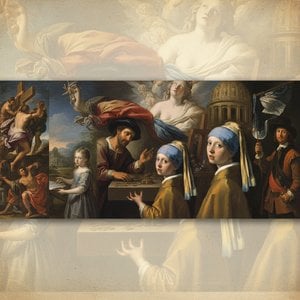
探索巴洛克艺术的辉煌!本文精选十部巨作,带您领略卡拉瓦乔、伦勃朗等大师的光影魔法与戏剧张力。从黄金时代到宗教绘画,感受奢华与精致。WahooArt.com为您提供博物馆品质的艺术复制品和家居装饰灵感。尽在WahooArt.com!

探索巴洛克艺术的辉煌与奢华!WahooArt提供精湛的手工油画复制、定制服务和专业艺术咨询,助您将经典作品融入当代室内设计,提升家居品味。投资艺术,传承价值。
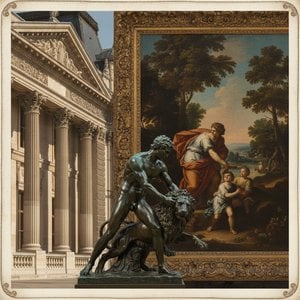
Explore the profound elegance of Baroque Classicism. Discover how 17th-century masters synthesized dramatic emotion with classical order through the lens of the Counter-Reformation and the works of legends like Carlo Maratta and Andrea Sacchi.

深入探索巴洛克艺术的辉煌历史、独特风格与持久影响。了解卡拉瓦乔、贝尼尼等大师的作品,洞悉反宗教改革运动下的艺术变革。WahooArt.com为您提供专业的艺术解读与高清画作欣赏。


 效果预览
效果预览
 分享
分享 分享
分享
 详情
详情

 下载
下载
 相似作品
相似作品 X射线
X射线 幻灯片播放
幻灯片播放 统计数据
统计数据 展开详情
展开详情









 玻璃选项仅适用于110厘米以下的尺寸。


