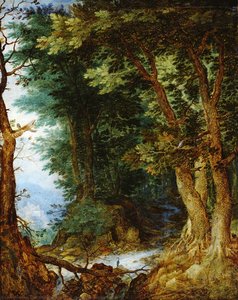
Other
Other 76.0 x 55.0 cm
由我们的艺术家按需定制,为您提供您所选尺寸及画框的布面手工油画。 ( 切换至版画销售渠道 切换至数字图像销售渠道)





























您可以从与原作比例一致的预设尺寸中进行选择。

您可以输入自定义尺寸,以适配特定的画框或空间。如果所选尺寸与原图比例不符,我们将通过裁剪作品或添加手绘元素来扩展画面。数字样稿将在制作开始前发送给您确认。
请注意,屏幕预览无法准确反映实际的裁剪或扩展效果,只有样稿才能真实呈现最终的构图。
虽然我们提供定制尺寸服务,但为了保留原作比例,建议您从预设列表中选择尺寸。

Sindanglaya
复刻品尺寸说明

Czesław Miłosz stands as a singular and profound voice in the landscape of twentieth-century literature, a writer whose very essence was shaped by the shifting borders and ethnic tensions of his homeland. Born in 1898 in the region of Wołyń, Poland, his early years were steeped in a world where identity was often caught in the crosswinds of historical upheaval. This formative period instilled within him an enduring sensitivity to the themes of displacement, loss, and the fragility of human existence—themes that would eventually become the heartbeat of his poetic oeuvre. His intellectual journey, which took him from the rigorous academic environments of Moscow and Warsaw to the vibrant, avant-garde circles of Paris, allowed him to weave together a tapestry of diverse cultural influences.
The development of Miłosz’s artistic style was deeply influenced by his exposure to the radical movements of his era. In Paris, during the 1920s, he immersed himself in the complexities of Surrealism and existentialist thought, learning to utilize dreamlike imagery and associative language to confront the difficult truths of reality. His work is characterized by a meticulous observation of the world, paired with a lyrical precision that captures both the beauty of nature and the horrors of human conflict. This duality—the ability to find the sacred within the mundane—is perhaps his greatest technical achievement, as he navigated the tension between the personal lyric and the historical epic.
The works of Miłosz are much more than mere verses; they are profound meditations on the weight of history and the persistence of memory. Through collections such as Zniewolony Cień (The Captive Shadow) and Dzienniki Ziemi (Diary of a Land), he grappled with the trauma of war and the complexities of human relationships under the shadow of totalitarianism. His writing often explores the intersection of faith and doubt, reflecting a soul that sought meaning amidst the wreckage of the twentieth century. There is a haunting quality to his exploration of exile, where the loss of a physical homeland mirrors a deeper, spiritual displacement.
Beyond the political and historical, Miłosz’s art is deeply rooted in the folklore and mythology of his Polish-Jewish heritage. This connection to myth allowed him to create a sense of timelessness within his poetry, bridging the gap between ancient tradition and modern catastrophe. His ability to synthesize these elements—the surreal, the historical, and the mythological—ensured that his work resonated far beyond the borders of Poland, touching upon universal truths about the human condition. His literary legacy is defined by this unwavering commitment to witnessing the truth, no matter how harrowing, while maintaining a profound reverence for the light of human consciousness.

1898 - 1938

Discover the ethereal beauty of watercolor through an art-historical lens. Master the delicate balance of light, fluidity, and pigment to capture the luminous essence of nature, inspired by the legendary techniques of the Old Masters and Impressionist greats.


 实景预览
实景预览
 发送
发送 分享
分享
 详情
详情 指南
指南

 下载图片
下载图片
 相似作品
相似作品 X射线
X射线 幻灯片播放
幻灯片播放 统计数据
统计数据 阅读全文
阅读全文









 玻璃选项仅适用于110厘米以下的尺寸。