


 Acrylic On CanvasWallArtRenaissance Portraiture
 1550
1550 19.0 x 16.0 cm
 卢浮宫
卢浮宫




























从与原作比例一致的预设尺寸中进行选择。

您可以输入自定义尺寸,以适配特定的画框或空间。如果您选择的尺寸与原图比例不符,我们将对作品进行裁剪,或通过镜像填充/纯色填充边缘的方式来扩展图像。在开始制作之前,我们会向您发送一份数字效果图供您确认。
请注意,屏幕上的预览并不能反映实际的裁剪或扩展效果。只有效果图才能准确展示最终的构图。
虽然我们提供定制尺寸,但为了保持原图比例,我们建议您从预设列表中选择尺寸。

Jean de Bourbon-Vendôme
复制品尺寸
Corneille de Lyon’s “Jean de Bourbon-Vendôme” stands as a testament to the meticulous artistry of the Dutch Renaissance, capturing not merely an individual likeness but also embodying the spirit of its era. Executed in 1550, this diminutive portrait – measuring just 19 x 16 cm – resides within the hallowed halls of the Musée du Louvre, offering visitors a glimpse into a pivotal moment in French royal history.
The painting depicts Antoine de Bourbon, Duke of Vendôme, son of Henry II and Catherine de Medici, a figure central to the Wars of Religion that engulfed France. De Lyon skillfully rendered him in profile against a serene blue background—a deliberate choice reflecting the prevailing artistic conventions of the time, where idealized landscapes served as foils for human subjects.
Technically masterful, the portrait utilizes oil paint on wood, demonstrating the artist’s command of chiaroscuro – the dramatic interplay between light and shadow – to sculpt form and convey depth. De Lyon's brushstrokes are delicate yet confident, capturing subtle nuances of expression that reveal Antoine’s contemplative gaze. The meticulous attention to detail extends beyond mere representation; it strives to imbue the image with dignity and solemnity.
Symbolically, the portrait speaks volumes about Bourbon nobility during a turbulent period. The dark hat worn by Antoine symbolizes authority and royal status, while the brown jacket reflects the opulent fabrics favored by aristocratic families. Furthermore, the chain around his neck represents piety and adherence to religious tradition—a crucial element in navigating the complexities of Reformation France.
“Jean de Bourbon-Vendôme” transcends its formal depiction as a portrait; it evokes a profound sense of stillness and introspection. It invites contemplation on power, faith, and the enduring legacy of Renaissance ideals. Its understated elegance continues to captivate viewers today, cementing De Lyon’s place among the foremost artists of his generation.
For those seeking inspiration or considering a high-quality reproduction of this iconic artwork, exploring resources like WGA offers invaluable insight into the artist’s technique and the historical context surrounding its creation.


1500 - 1575 , 荷兰

探索戈雅大师的25幅杰作!深入了解西班牙绘画巨匠Francisco Goya的艺术世界,从洛可可到浪漫主义风格,感受黑加仑时代的情感力量。WahooArt.com提供高品质油画复制品和家居装饰灵感。立即在线发现所有名画!

Discover our story! We bring world-class art into your life through expert curation, personalized creations, and free previews. Trusted by individuals and businesses since 2000.

Explore the captivating world of Maurice Quentin de La Tour, a master of Rococo portraiture. Discover his innovative pastel techniques, intimate depictions of French aristocracy, and lasting artistic legacy. Learn more at WahooArt.

Explore the exquisite Rococo portraits of Jean-Marc Nattier, favored by French aristocracy. Discover his artistic techniques, patronage network, and lasting legacy – a guide for discerning collectors.
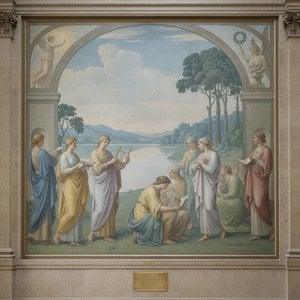
Explore the life & work of Pierre Puvis de Chavannes, a pivotal Symbolist painter renowned for his monumental murals. Discover his aesthetic principles, key artworks like 'Hope,' and lasting influence on modern art. A deep dive into 19th-century French painting.


 效果预览
效果预览
 购买手绘画作
 分享
分享 分享
分享
 详情
详情

 下载
下载
 相似作品
相似作品 X射线
X射线 幻灯片播放
幻灯片播放 展开详情
展开详情









 玻璃选项仅适用于110厘米以下的尺寸。


