The Pioneering Spirit of Commodore International
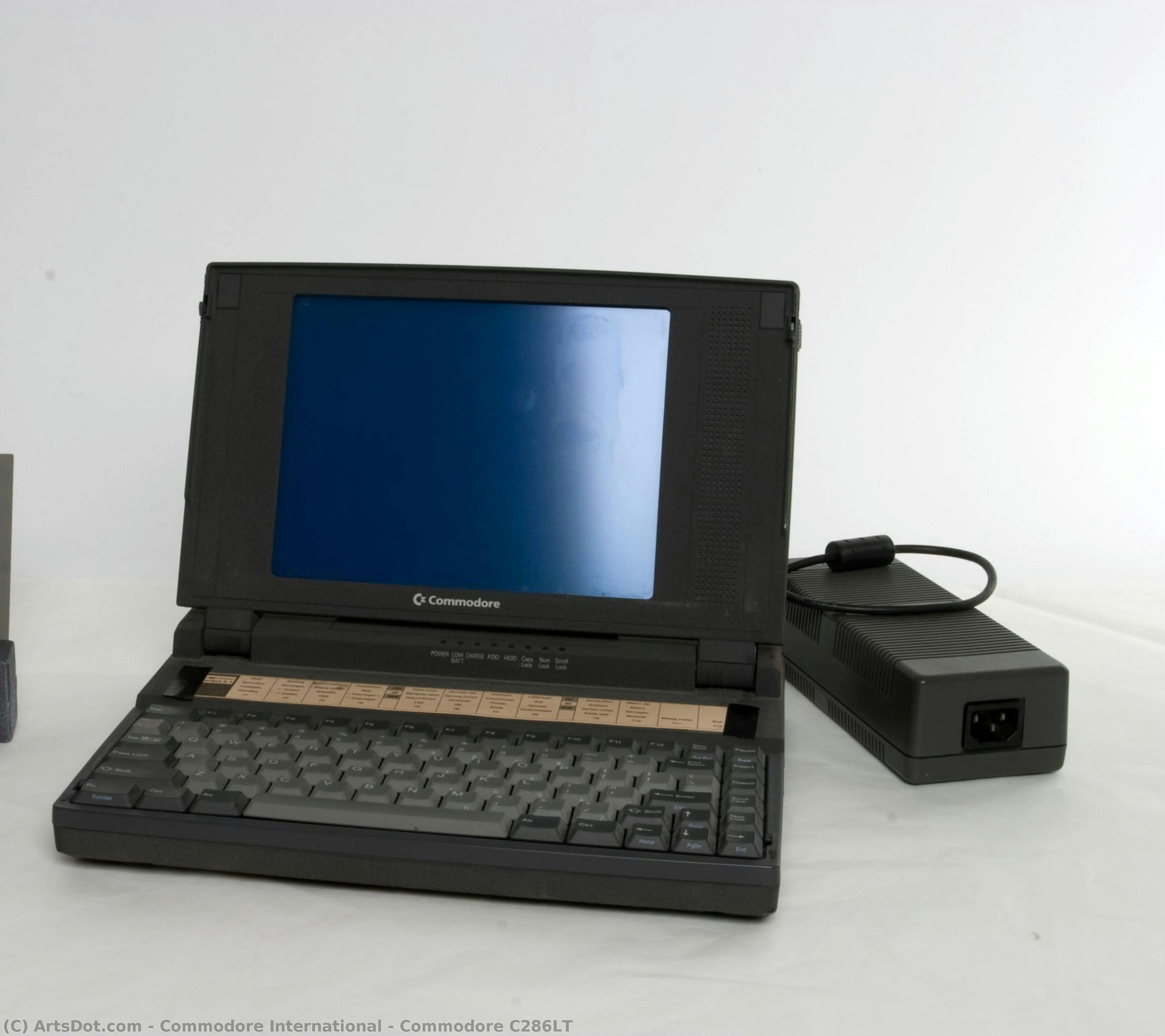
Commodore International, a name synonymous with the dawn of accessible home computing, wasn’t born from a Silicon Valley dream but rather from the pragmatic resilience of Jack Tramiel, a Polish-Canadian entrepreneur. Founded in 1954 as a typewriter repair service in Toronto, Canada, the company's early years were marked by a relentless drive to survive and adapt. Tramiel, a Holocaust survivor who had experienced unimaginable hardship, brought an unwavering focus on cost efficiency and innovation—qualities that would define Commodore’s trajectory for decades. Initially focused on office machinery, the business gradually transitioned into calculators in the 1970s, riding the wave of technological advancement but facing fierce competition. This period was crucial; it instilled a deep understanding of electronics manufacturing and laid the groundwork for the company's eventual leap into the burgeoning world of personal computers.
From Calculators to Computing Revolution
The true turning point arrived in 1976 with Irving Gould’s investment, which enabled Tramiel to acquire MOS Technology—a pivotal move that secured Commodore’s access to crucial integrated circuit chips. This vertical integration strategy, controlling the production of key components, became a hallmark of Commodore's success. In 1977, the Commodore PET (Personal Electronic Transactor) emerged as one of the first all-in-one personal computers, challenging established players like Tandy and Apple. While not immediately dominant, it signaled Commodore’s commitment to bringing computing power to a wider audience. The following years witnessed a flurry of innovation: the VIC-20, released in 1981, broke price barriers with its color graphics and affordability, becoming the first computer to sell over one million units. However, it was the Commodore 64, launched in 1982, that truly cemented Commodore’s place in history. With its superior sound capabilities and vibrant visuals, the C64 became a cultural phenomenon—a gateway for millions into the world of programming, gaming, and digital creativity.
A Legacy Forged in Innovation
The mid-1980s saw Commodore reach unprecedented heights, becoming the largest personal computer manufacturer globally. Sales peaked in late 1983 at $49 million (equivalent to over $129 million today). This success wasn’t merely about affordability; it was about fostering a community. The C64 inspired a generation of programmers, musicians, and artists who pushed the boundaries of what was possible with limited hardware. The 1985 release of the Amiga computer line represented another leap forward. Featuring a full-color graphical interface and preemptive multitasking—features previously unseen in affordable personal computers—the Amiga quickly gained popularity, particularly in Europe, becoming a favorite among graphic designers, video editors, and game developers. The Amiga’s capabilities were revolutionary for its time, offering a glimpse into the future of multimedia computing.
Challenges, Decline, and Enduring Influence
Despite these achievements, internal conflicts and strategic missteps began to plague Commodore in the late 1980s. Jack Tramiel's departure and subsequent competition with Atari Corporation created divisions within the company. While the Amiga continued to be popular, newer models struggled to compete against the growing dominance of IBM PC-compatibles and Apple’s Macintosh. The rise of MS-DOS and 16-bit gaming consoles further eroded Commodore’s market share. In 1994, facing insurmountable financial difficulties, Commodore filed for bankruptcy and was liquidated. However, the story didn't end there. The assets were acquired by Escom, and while attempts to revive the brand proved unsuccessful, the legacy of Commodore lived on.
A Cult Following and Lasting Impact
Today, Commodore’s computers—particularly the C64 and Amiga series—retain a devoted cult following. Enthusiasts continue to develop new software, hardware modifications, and emulators, keeping the spirit of innovation alive. The impact of Commodore extends far beyond nostalgia; it laid the foundation for many aspects of modern computing, gaming, and digital art. The company’s commitment to affordability democratized access to technology, empowering a generation to explore their creativity and shape the future. Commodore International wasn't just a computer manufacturer; it was a catalyst for change—a testament to the power of vision, resilience, and a relentless pursuit of innovation.



 效果预览
效果预览
 购买印刷品
购买印刷品 分享
分享 分享
分享
 详情
详情

 下载
下载
 相似作品
相似作品 X射线
X射线 幻灯片播放
幻灯片播放

 展开详情
展开详情






































 玻璃选项仅适用于110厘米以下的尺寸。





