艺术家简介
A Life Immersed in Roman Splendor: Clement Kicklinger
Clement Kicklinger, born in 1561 and passing away in 1617, remains a fascinating yet somewhat elusive figure within the landscape of late Renaissance and early Baroque Italian painting. While comprehensive biographical details are scarce—a common challenge with artists operating outside the most prominent circles—his surviving works offer compelling insights into a life deeply interwoven with the religious and artistic fabric of Rome during a period of profound change. Kicklinger’s career unfolded against the backdrop of the Counter-Reformation, an era that demanded art serve as a powerful instrument for spiritual renewal and didactic purpose. He appears to have been particularly devoted to scenes depicting Roman history and devotional subjects, often imbued with a striking realism tempered by subtle symbolism.
The Artistic Context & Early Influences
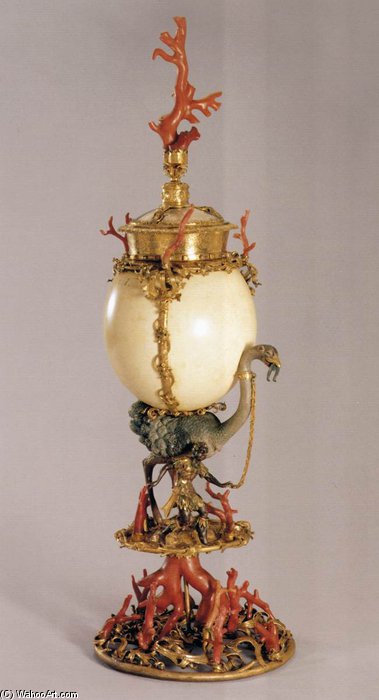
Kicklinger’s artistic formation is difficult to pinpoint precisely, but the strong influence of Northern European painting traditions is evident in his meticulous detail and naturalistic rendering of figures. This suggests potential training or exposure to artists active in Rome who themselves were influenced by Flemish and Dutch masters. The city itself was a crucible of styles at this time; while the High Renaissance ideals of Raphael and Michelangelo continued to resonate, a new emphasis on dramatic lighting, emotional intensity, and dynamic composition—characteristics associated with Caravaggio and the burgeoning Baroque movement—was beginning to take hold. It’s likely Kicklinger absorbed elements from both traditions, forging a unique style that balanced clarity and precision with a growing sense of theatricality. His work also reveals an affinity for earlier Italian Renaissance masters like Pinturicchio, particularly in his decorative approach and narrative skill. The presence of *ostrich egg paintings* within his oeuvre is unusual and points to specialized commissions or a particular patronage network focused on luxury devotional objects.
Themes & Techniques: Realism and Religious Narrative
Kicklinger’s paintings are characterized by their compelling realism, particularly in the depiction of human anatomy, fabrics, and architectural settings. He possessed a remarkable ability to render textures and surfaces with convincing accuracy, creating a sense of tangible presence within his compositions. However, this naturalistic approach was never merely an end in itself; it served to enhance the emotional impact of his religious narratives. Scenes from the lives of saints, biblical episodes, and events from Roman history were rendered with a sensitivity that aimed to inspire piety and contemplation. He frequently employed a relatively subdued palette, relying on carefully modulated tones and subtle gradations of light and shadow to create atmosphere and depth. His compositions often feature crowded scenes filled with figures engaged in dynamic interactions, drawing the viewer into the heart of the narrative. The inclusion of detailed architectural backgrounds—often depicting recognizable Roman landmarks like San Clemente—further grounds his works in a specific time and place, adding another layer of meaning and authenticity.
Major Achievements & Historical Significance
While Kicklinger did not achieve the widespread fame of some of his contemporaries, his surviving paintings represent a significant contribution to the artistic landscape of early 17th-century Rome. His dedication to religious subject matter aligns with the broader aims of the Counter-Reformation art movement, and his skillful blending of realism and symbolism demonstrates a sophisticated understanding of artistic technique and theological principles. The fact that many of his works depict scenes related to San Clemente suggests a close association with this important basilica, perhaps as a house artist or through commissions from affiliated religious orders. His paintings offer valuable insights into the devotional practices and artistic tastes of the Roman elite during a period of intense religious and political upheaval. The enduring appeal of Kicklinger’s work lies in its ability to transport viewers back in time, offering a glimpse into a world where art served as a powerful expression of faith, history, and human emotion. His legacy is preserved through these evocative paintings, which continue to captivate audiences with their beauty, detail, and spiritual depth.






 效果预览
效果预览
 购买手绘画作
 分享
分享 分享
分享
 详情
详情

 下载
下载
 相似作品
相似作品 X射线
X射线 幻灯片播放
幻灯片播放 展开详情
展开详情






































 玻璃选项仅适用于110厘米以下的尺寸。


