
博物馆级艺术微喷或帆布版画,制作高效,并提供多种饰面选择。 ( 订购纯手工绘制画作 切换至数字图像销售渠道)





























您可以从与原作比例一致的预设尺寸中进行选择。

请输入您所需的宽度和高度,以适配您的画框或墙面。由于印刷品只能进行裁剪,无法超出原图尺寸,因此若比例不一致,画面的一部分将会被裁切。在正式印刷之前,我们会为您发送一份数字效果图供您确认。本页面显示的图片并非最终裁剪后的效果——只有效果图才能展示真实的裁剪情况。
untitled (7526)
复刻品尺寸
Claude Monet's "untitled (7526)," a seemingly simple depiction of a field of hay, transcends the limitations of its subject matter to become a profound meditation on light, color, and the ephemeral nature of perception. Painted in 1890-91 during his prolific period at Giverny, this work exemplifies Monet’s revolutionary approach to painting – abandoning traditional academic techniques for an intensely personal and observational style that would forever alter the course of art history. It's not merely a landscape; it’s a captured moment, a distillation of atmosphere, and a testament to the artist’s unwavering dedication to translating his visual experience onto canvas.
The scene unfolds with remarkable clarity despite its apparent simplicity. A substantial stack of hay dominates the composition, rendered in a rich tapestry of ochre, umber, and sienna tones. Monet doesn't strive for photographic realism; instead, he employs broken brushstrokes – short, distinct dabs of color applied side-by-side – to build up texture and suggest form. The individual strands of hay are barely discernible, dissolving into a shimmering haze of light and shadow. This deliberate blurring of edges is crucial to Monet’s technique, allowing the viewer's eye to actively participate in constructing the image, mimicking the way we actually perceive the world through our senses.
Monet’s work firmly establishes him as a key figure within the Impressionist movement. Emerging in mid-19th century France, Impressionism rejected the prevailing academic style of the time – characterized by meticulous detail and historical or mythological subjects – in favor of capturing fleeting moments of everyday life. Artists like Monet sought to paint *impressions* rather than precise representations, prioritizing the subjective experience of seeing over objective reality. This meant focusing on the effects of light and color, often painting outdoors (en plein air) to directly observe their interplay.
The historical context surrounding this period is vital to understanding Monet’s artistic choices. The rise of photography challenged traditional notions of representation, prompting artists to explore new ways of capturing visual information. Simultaneously, scientific advancements in optics – particularly the study of color theory by scientists like Michel Eugène Chevreul – provided artists with a deeper understanding of how light and color interact. Monet embraced these developments, meticulously studying the changing qualities of light throughout the day and across seasons, translating his observations onto canvas.
While seemingly straightforward, "untitled (7526)" is rich in symbolic meaning. The haystack itself can be interpreted as a symbol of abundance, harvest, and the cyclical nature of life and death – representing both the bounty of the earth and the eventual decay that follows. The surrounding trees, rendered in muted greens and blues, provide a sense of depth and perspective, anchoring the scene within its natural setting. However, they are also subtly obscured by the haze, suggesting a feeling of distance and perhaps even melancholy.
More profoundly, the painting evokes a powerful sense of tranquility and contemplation. The soft light, the muted colors, and the absence of strong diagonals create a harmonious composition that invites the viewer to slow down and simply *be* present in the moment. Monet’s masterful use of color creates an atmosphere of warmth and serenity, suggesting a connection between the artist, the landscape, and the natural world. It's a scene imbued with a quiet beauty—a reminder of the simple pleasures found in observing the everyday wonders of nature.
WahooArt offers high-quality reproductions of Claude Monet’s “untitled (7526)” that capture the essence of this iconic work. Our hand-painted reproductions meticulously recreate Monet's broken brushstrokes and nuanced color palette, ensuring an authentic representation of his artistic vision. Whether you are a seasoned art collector or simply seeking to add a touch of Impressionist elegance to your home, our reproductions provide a beautiful and accessible way to experience the timeless beauty of this masterpiece. Explore our selection today and bring the quietude of haystacks into your space.
"untitled (7526)" 的明暗对比度记录为 Bold。对比度描述了亮部与暗部之间的差异强度。
这件Impressionism风格的作品《untitled (7526)》出自一位出生于法國的艺术家之手。
“untitled (7526)”营造出一种Calm的氛围。
1840年11月14日,克劳德·莫奈出生于法国巴黎,降生在一个充满不同期许的世界里。他的父亲克劳德-阿道夫·莫奈曾希望儿子能走上一条更为稳健的职业道路,而他的母亲路易丝-朱斯蒂娜·奥布雷·莫奈,则用无声的温柔守护着他初露锋芒的创作潜质。随后,全家迁至诺曼底的勒阿弗尔,那片海岸特有的气息在年幼的莫奈心中留下了永恒的印记。这段童年时光伴随着他早慧的绘画天赋,而这项天赋最终将他引向了与父亲所期望的商业领域截然不同的艺术征途。
然而,命运在1857年1月降下了悲剧,当时年仅十六岁的莫奈失去了母亲路易丝-朱斯蒂娜。母亲的离世让他的家庭生活发生了剧变,他被送往与姨妈玛丽-朱斯蒂娜·勒卡德尔共同生活,这位寡妇不仅拥有丰厚的家产,且膝下并无子女。这段生活的转变,为他正式的艺术成长提供了必要的稳定环境。正是在这段塑造人格的关键岁月里,他邂逅了欧仁·布代因,这位艺术家从根本上改变了他对绘画意义的认知。布代因向他引入了“户外写生”(en plein air)的实践,鼓励他带着画具走向户外,去捕捉大自然最直观、最真实的生命律动。
随后,他在巴黎严谨的艺术氛围中继续磨炼技艺。他在瑞士学院寻求教导,师从学院派历史画家夏尔·布莱尔。在这一学习阶段,他不仅精进了绘画技巧,更在传统学院派的严谨教条与他日益偏好的那种自发、写实的观察方式之间,寻找着一种微妙的平衡。正是这些早年的求学经历与丧亲之痛,共同筑就了他艺术生涯的基石——那是一场对光影与大气氛围永无止境的追寻。
作为法国印象派的奠基人之一,克劳德·莫奈是通往现代主义之路的关键先驱。他是这一艺术运动核心哲学的最坚定且最高产的实践者,致力于表达个体对自然的感官感知。这种追求通过“户外写生”(plein air)的风景画创作得以体现,这种创作方式要求他直接在户外的大型画布上进行写生。他常常在户外捕捉灵感后,再回到画室对作品进行重构与完善,从而在户外即时的观察体验与画室受控的创作环境之间架起了一座桥梁。
在技法层面,他的创作依赖于未经调和的纯粹色彩以及非对称的构图形式。他并不追求一种静止不变的写实呈现,而是开发出一种通过多次描绘同一场景来捕捉光影变幻与季节更迭的方法。这种重复性的研究使他能够记录下大气与天气如何彻底改变一个单一的主题。他的作品逐渐背离了学院派所追求的严谨精确,转而将目光投向环境那转瞬即逝的灵动特质。
1871年,克劳德·莫奈迁居至巴黎西北部的阿让特伊村。这段岁月标志着他在社交圈与创作版图上的重大转型。随着志同道合的艺术家们纷纷汇聚于此,这片土地也逐渐成为了蓬勃发展的印象派运动的核心地带。塞纳河畔那稳定而富有韵律的生活节奏,以及变幻莫测的光影律动,为他这一时期的艺术产出奠定了基调。
他的私人生活与艺术实践紧密交织,难以分割。他的首任妻子 卡米耶·多尼厄 频繁出现在他的画作之中,在19世纪60年代至70年代期间,她成为了他人物画作中重要的模特。1872年的春天,莫奈将目光转向了家园周边的自然景致,在自家的花园中创作了多幅画布。这些作品通过直接观察的视角,精准地捕捉到了当地景观随季节更迭而产生的微妙变化。
1883年,克劳德·莫奈迁居至巴黎西北部的吉维尼,定居于此的一所宅邸与一片土地。这次迁徙开启了他长达四十三年的居住时光,这段岁月最终定义了他生命的晚年。他并非仅仅是这片空间的居住者,更是它的塑造者;他投身于一场宏大的景观工程,将这片土地转化为一个鲜活的创作主体。他的双手既用于耕耘土壤,也用于涂抹颜料——他亲手栽种了数以千计的花卉,并精心设计了一个睡莲池,使其成为他观察世界的视觉核心。
这座花园逐渐演变成一座光影与季节更迭的圣殿。在生命的最后三十一年里,他的艺术焦点逐渐收缩,专注于这片微观环境的细微之处。他试图记录光线如何与水面及植被交织互动,常常直接在花园中进行创作,以捕捉景观最直观的感官体验。这一时期,他的艺术呈现出一种对私人庄园中瞬息万变之氛围的极致虔诚,在那个世界里,精心修剪的花园与画布之间的界限开始变得模糊。
克劳德·莫奈对现代艺术演进的卓越贡献,在很大程度上归功于一部在无意间定义了整个艺术运动的杰作。1873年,他的画作 《印象·日出》 为印象派运动提供了名字,尽管其松散的笔触和模糊的轮廓在最初曾遭到学院派的蔑视。这部作品标志着对沙龙艺术那种僵化传统的决裂,它不再追求学院派所推崇的精雕细琢,而是转而拥抱对光影瞬时感知的直觉捕捉。
随着艺术生涯的不断深入,克劳德·莫奈的创作重心逐渐转向了对单一主题的重复性研究,试图通过这种方式捕捉光线、天气与时间流转间微妙的变幻。这种创作“系列画”的方法,使他能够记录下同一场景在不同大气条件下所呈现出的万千气象。他将这种严谨的观察力应用于多种题材,包括 《干草堆》、鲁昂大教堂 以及 白杨树。通过这些深入的探索,他试图描绘的不仅是物体本身,更是环绕在物体周围的空气与光影的流动。
这种对光影的痴迷在他在吉维尼的晚年时期达到了极致。在那里,他创作了规模宏大的系列作品,包含约250幅名为 《睡莲》 (Nymphéas) 的油画。这些作品聚焦于他的私人花园与水莲池,即便在视力逐渐衰退的困境中,他依然坚持创作。这一系列作品体现了他对“转瞬即逝”这一美学概念的深刻执着,试图在画布上定格水流的律动以及云影在水面上的粼粼倒影。
克劳德·莫奈的艺术之路,是由一系列至关重要的邂逅与导师指引所塑造的,这些经历引领他逐渐摆脱了学院派传统的严苛束缚。他在早期的艺术训练深受欧仁·布代因的影响,正是这位导师向他引入了户外写生(en plein air)的创作实践。这种对户外创作的执着,使他能够近距离观察光线在景观上留下的瞬时痕迹,而这种方法最终定义了他一生的艺术成就。此外,他也从荷兰风景画家约翰·容金德那里汲取了灵感,后者对自然的独特处理方式,帮助他进一步升华了对自然世界的视觉构想。
在巴黎的画室里,通过与那些即将成为现代绘画演变核心的同辈艺术家并肩同行,他的艺术生命得到了进一步的滋养。在瑞士学院向夏尔·布莱尔学习期间,他与奥古斯特·雷诺阿成为了同窗,同时还有弗雷德里克·巴齐耶和卡米耶·毕沙罗。这些友谊绝非简单的社交往来,它们构成了对当时权威沙龙共同反叛的基石。在整个职业生涯中,他与埃德加·德加和爱德华·马奈等艺术巨匠共同创作与展览,共同推动了画布上光影与大气感知方式的集体变革。
克劳德·莫奈生命的最后几十年,与他亲手精心培育的景观景观紧密交织在一起。1892年,他与爱丽丝·霍舍德(Alice Hoschedé)结为连理,这段婚姻在他对光影与大气进行近乎痴迷的研究中,为他带来了一份难得的安定感。随着岁月的流逝,他的创作重心逐渐收窄,聚焦于吉维尼那片如梦似幻的水上花园,在那里,水面倒影与繁茂花卉的交织互动,成为了他灵魂深处最主要的牵挂。这一时期,他的艺术实践表现为对“转瞬即逝”之美的无止境追求,即便在视力逐渐衰退的生理困境中,他仍不懈地试图捕捉周围环境那细微而不断变幻的色彩韵律。
随着生命走向终点,他的艺术视野反而呈现出一种宏大的扩张感。他开始转向创作规模宏大的作品,试图通过画笔将观众完全包裹其中,尤其是他那著名的《睡莲》系列。这些作品绝非仅仅是对池塘景观的写实描绘,而是一场关于“感知行为”本身的深刻记录。1926年12月5日,克劳德·莫奈溘然长逝,但他留下的艺术遗产已从根本上改变了人类在画布上观察自然的方式。
在他离世后不久,他从私人生活向公众精神领域的转变得以完成。1927年5月,橘园美术馆(Musée de l'Orangerie)正式向公众开放,为他的大型壁画系列提供了永久的归宿。这一空间的设计初衷,正是为了致敬并重现他在生命最后阶段,倾尽毕生心血试图通过色彩去转译的那种独特而神圣的氛围。
随着克劳德·莫奈在世界意识中的地位日益显赫,他的影响力在20世纪下半叶得到了显著的扩张。作为一场彻底改变了19世纪后期法国绘画面貌运动的核心人物,他始终是印象派领域内无可争议的巨擘。他处理光影与大气的方式,从根本上改变了画家们感知自然世界的方式——这种转变标志着艺术从学院派的刻板教条,转向了对景观更为直接、更具感官性的体验。
他在晚年对睡莲系列的专注,创作出了一系列在20世纪最广为人知且备受赞誉的作品。这些作品通常以宏大的尺度和对吉维尼花园内倒影的极致聚焦为特征,它们早已超越了单纯的风景描绘,转而探索感知本身的本质。通过对光影变幻特质的重复性研究,他为现代主义提供了蓝图,并深刻影响了此后一代又一代试图捕捉视觉与色彩之瞬时性的艺术家们。

1840 - 1926 , 法國

Journey through Impressionism's heart with 10 iconic paintings by Monet, Renoir & Degas. Explore light, color & the stories behind these masterpieces. Find museum-quality art reproductions and elevate your home decor on WahooArt.com.

探索康斯塔布尔的25幅传世杰作!沉浸于英国田园风光,感受浪漫主义绘画大师的光影与色彩。高清油画复制、艺术品购买尽在WahooArt.com,为您的家居增添经典之美。立即在线探索完整系列!
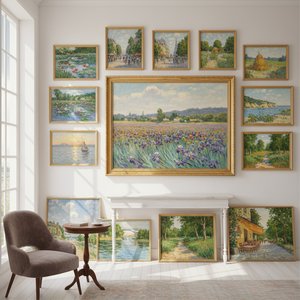
探索印象派风景画的十部经典巨作!从莫奈到雷诺阿,揭秘大师们的技法与灵感。WahooArt.com为您呈现高清油画复制和精选艺术品,点亮您的家居空间。立即发现更多艺术珍宝!

Journey into the heart of Impressionism! Explore 10 masterpieces by Monet, Renoir & Degas that revolutionized landscape art. Discover their stories, techniques & find museum-quality reproductions to elevate your home decor on WahooArt.com.

探索克劳德·莫奈25幅杰作,沉浸于印象派大师的光影世界。从《睡莲》到《日出·印象》,感受色彩与情感的完美交融。WahooArt.com提供博物馆级艺术复制品,为您的家居带来臻选装饰灵感!立即探索完整系列。

 实景预览
实景预览
 分享
分享 分享
分享
 详情
详情 指南
指南

 下载作品
下载作品
 相似作品
相似作品 X射线
X射线 幻灯片播放
幻灯片播放 问答
问答
 统计数据
统计数据

 展开全文
展开全文









 玻璃选项仅适用于110厘米以下的尺寸。


