A Symphony of Light and Verdure
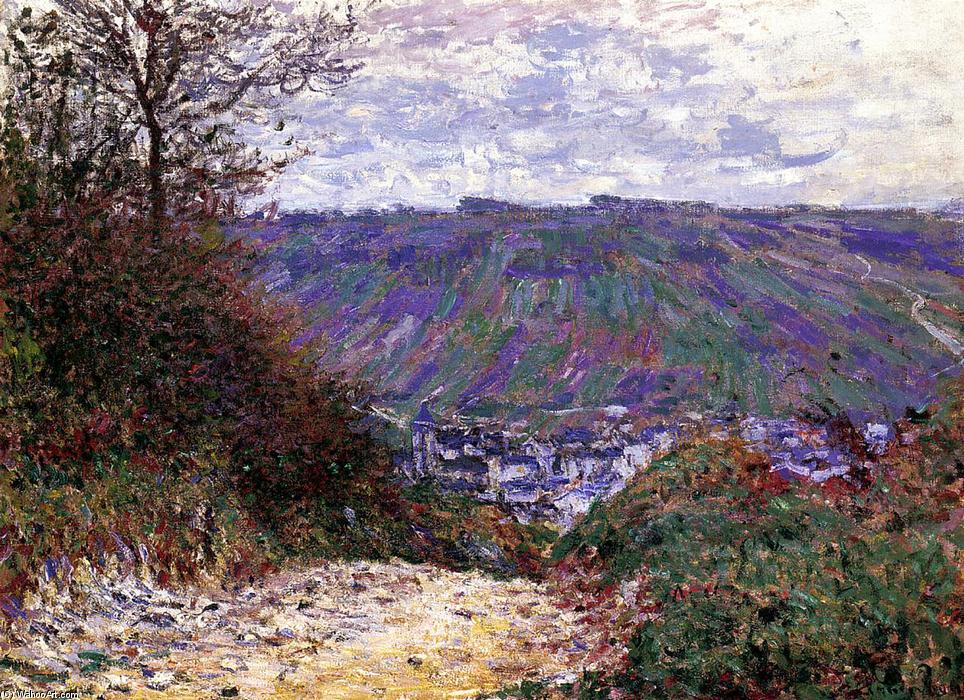
Claude Monet’s Path at Giverny is far more than a mere depiction of a garden trail; it is a profound distillation of the Impressionist spirit, capturing a fleeting moment where nature and light exist in perfect, ephemeral harmony. Painted in 1885, during a pivotal era of his creative development, this masterpiece invites the viewer to step into the lush, breathing heart of Monet’s beloved estate. The scene unfolds as a serene journey through a landscape defined by its vitality, where a winding dirt path serves as a visual invitation to wander through a world of dappled sunlight and rhythmic greenery. For the discerning collector or interior designer, this work offers an unparalleled sense of tranquility, acting as a window into a sanctuary of peace that remains as vibrant today as it was over a century ago.
The technical brilliance of the piece lies in Monet’s revolutionary approach to the canvas. Eschewing the rigid lines of traditional academic painting, he employs a plein air technique characterized by loose, feathery brushstrokes that seem to dance across the surface. These strokes do not merely represent foliage; they mimic the very sensation of light refracting through leaves and the subtle movement of a summer breeze. The color palette is a masterful symphony of greens, deep blues, and sun-drenched yellows, meticulously blended to achieve an astonishingly realistic portrayal of atmosphere. By prioritizing the perception of light over precise anatomical detail, Monet achieves a shimmering effect that blurs the boundaries between object and environment, creating a sense of depth that feels both immersive and dreamlike.
Historical Resonance and Emotional Depth
To understand Path at Giverny is to understand the evolution of modern perception. Created during his formative years in Giverny, this painting reflects Monet’s growing obsession with how time and weather transform a single location. The composition—a winding path framed by encroaching trees—echoes other iconic works such as Peupliers au bord de l’Épte, showcasing his ability to find infinite variation within a recurring theme. There is a subtle tension within the landscape, where the presence of distant, weathered structures suggests the quiet intersection of human endeavor and the unstoppable persistence of nature. This duality adds a layer of contemplative depth, making the painting a subject for much more than mere decoration.
For those seeking to infuse a living space with character, this reproduction offers an emotional anchor of serenity and timelessness. The painting evokes a profound sense of nostalgia and calm, making it an ideal centerpiece for rooms designed for reflection or relaxation. Whether placed in a sunlit gallery or a sophisticated study, the work radiates a luminous energy that can transform the atmosphere of any interior. It stands as a testament to Monet’s enduring legacy—a piece that does not just decorate a wall, but breathes life, color, and a sense of eternal spring into the home.



 效果预览
效果预览
 购买手绘画作
 分享
分享 分享
分享
 详情
详情

 下载
下载
 相似作品
相似作品 X射线
X射线 幻灯片播放
幻灯片播放

 展开详情
展开详情






































 玻璃选项仅适用于110厘米以下的尺寸。