
由我们的艺术家按需定制,为您提供您所选尺寸及画框的布面手工油画。 ( 切换至版画销售渠道 切换至数字图像销售渠道)





























从与原作比例一致的预设尺寸中进行选择。

您可以输入自定义尺寸,以适配特定的画框或空间。如果所选尺寸与原图比例不符,我们将通过裁剪作品或添加手绘元素来扩展画面。数字样稿将在制作开始前发送给您确认。
请注意,屏幕预览无法准确反映实际的裁剪或扩展效果,只有样稿才能真实呈现最终的构图。
虽然我们提供定制尺寸服务,但为了保留原作比例,建议您从预设列表中选择尺寸。

Sunrise
复制品尺寸
In the quiet moments before the world fully awakens, there exists a transient, ethereal light that transforms the landscape into something divine. It is this precise, fleeting magic that Claude Lorrain captured in his 1646 masterpiece, Sunrise. As one of the most revered landscape painters of the Baroque era, Lorrain possessed an unparalleled ability to translate the physical world into a poetic vision of antiquity. This painting is not merely a depiction of a riverbank; it is a symphony of light, where the rising sun acts as both the protagonist and the conductor, orchestrating a scene of profound tranquility and classical grace.
The composition invites the viewer to step into an idealized version of Arcadia, a pastoral paradise that has captivated the human imagination since the time of Virgil. As the eye wanders across the canvas, it encounters a meticulously crafted world where humanity and nature exist in perfect, rhythmic harmony. A man stands poised on the riverbank with his horse, perhaps lost in contemplation of the water's surface, while figures move softly through the landscape, accompanied by the loyal presence of a dog. A solitary boat drifts near the center, adding to the sense of slow, deliberate movement. Through this arrangement, Lorrain creates a narrative of peace, suggesting a moment where time itself has paused to honor the arrival of the day.
What truly distinguishes Sunrise is Lorrain’s revolutionary command over atmospheric perspective. Utilizing the delicate technique of sfumato—the soft, smoky blending of edges—he eliminates harsh outlines to allow the landscape to breathe. This creates a sense of immense depth, where distant trees and riverbanks appear to dissolve into a golden haze. The artist masterfully employs chiaroscuro, using the dramatic contrast between the burgeoning light of the sun and the lingering shadows of the night to sculpt the forms of the trees and figures, imbuing the scene with a palpable, three-dimensional intensity.
The color palette is a testament to Lorrain's emotional intelligence as a painter. The canvas is saturated with warm yellows, radiant oranges, and deep reds that radiate from the sun’s core, bleeding into the cooler blues and lush greens of the foliage and water. This chromatic balance does more than just mimic nature; it evokes a feeling of warmth and renewal. For the collector or interior designer, this painting offers a transformative energy. It possesses the rare ability to anchor a room with its classical weight while simultaneously brightening an environment with its luminous, optimistic glow.
Beyond its visual splendor, Sunrise carries profound symbolic resonance. The references to classical mythology, such as the presence of Apollo, suggest themes of transformation, rebirth, and the eternal cycle of nature. To possess a reproduction of this work is to bring a piece of the Baroque soul into a modern space. It serves as a window into a lost era of elegance, offering a sophisticated focal point that inspires contemplation and calm.
Whether placed in a grand library, a sun-drenched living area, or a refined studio, this painting acts as an enduring testament to the beauty of the natural world. It is an investment in atmosphere, providing a sense of historical depth and artistic prestige that transcends fleeting trends. For those seeking to surround themselves with art that speaks of peace, light, and the eternal beauty of the classical past, Lorrain’s Sunrise remains an incomparable choice.

克劳德·洛兰(Claude Lorrain),原名克劳德·盖莱,大约出生于1600年左右,一个位于洛林公国(今法国)的小村庄查马涅。他至今仍是巴洛克时期最受推崇的风景画家之一。他的早年生活笼罩着一层神秘的面纱,关于他的学徒经历流传着相互矛盾的说法。一位名叫约阿希姆·冯·桑德拉尔特(Joachim von Sandrart)的记载提到,他曾从一个糕点师那里开始卑微的学习生涯,之后才在罗马找到了艺术家的工作机会。而另一位来自菲利波·巴尔迪努奇(Filippo Baldinucci)的记录则详细描述了他在那不勒斯接受过戈弗雷多·瓦尔斯(Goffredo Wals)的早期训练,随后又在阿斯蒂尼奥·塔西(Agostino Tassi)的指导下于罗马深造。
到了17世纪30年代,克劳德·洛兰已然将自己稳固地确立为意大利顶尖的风景画家。他的画作很快因其卓越的氛围感而广受赞誉,并能卖出高昂的价格。他巧妙地将意大利式的田园风光与古典及圣经主题融为一体,创造出的场景既在视觉上令人惊叹,又在智性上引人入胜。
克劳德早期的艺术灵感来源于北欧的风景传统,特别是佛兰德斯画家的风格。他还研习了提香和拉斐尔等意大利文艺复兴大师的作品。随着时间的推移,他的风格逐渐从早期更黑暗、更具戏剧性的构图,演变为以金色光辉为特征的、更轻盈、更空灵的场景。
克劳德·洛兰对风景画的影响是无法估量的。他将这一题材提升到了以往只为历史和宗教题材保留的崇高地位。他的作品影响了数代艺术家,包括J.M.W.特纳和印象派画家们,他们都试图捕捉光线与氛围转瞬即逝的效果。如今,他的画作备受珍视,可以在世界各大博物馆欣赏到,尤其是伦敦国家美术馆和南澳大利亚美术馆。
克劳德·洛兰于1682年11月23日在罗马去世。他在圣路易吉德弗朗西斯教堂的墓碑上刻着简单的铭文:“Claude / peintre de / rome / mort / le 23 novembre 1682”。他留下的遗产,使他成为西方艺术史上最重要、最具影响力的风景画家之一。

1600 - 1682 , 法国

Explore the profound elegance of Baroque Classicism. Discover how masters fused dramatic chiaroscuro with structured order to redefine art history through light, shadow, and emotional grandeur.
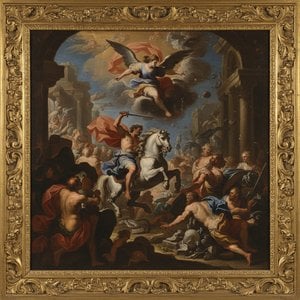
Explore the breathtaking power of Baroque art. Delve into the dramatic interplay of light, shadow, and motion through the works of masters like Caravaggio. Discover how the era's intense emotional realism continues to inspire collectors and connoisseurs of classical grandeur.

Explore the breathtaking drama of the Baroque era. From the mastery of chiaroscuro to epic mythological narratives, discover a definitive guide to art's most powerful period of light, shadow, and emotion for the true classical art enthusiast.


 效果预览
效果预览
 分享
分享 分享
分享
 详情
详情 指南
指南

 下载
下载
 相似作品
相似作品 X射线
X射线 幻灯片播放
幻灯片播放 统计数据
统计数据


 展开详情
展开详情









 玻璃选项仅适用于110厘米以下的尺寸。


