
 Oil On CanvasWallArtRococo Style
 1735
1735 78.0 x 156.0 cm
 卢浮宫
卢浮宫博物馆级艺术微喷或帆布版画,制作高效,并提供多种饰面选择。 ( 购买手绘画作 切换至数字图像销售渠道)





























从与原作比例一致的预设尺寸中进行选择。

您可以输入自定义尺寸,以适配特定的画框或空间。如果您选择的尺寸与原图比例不符,我们将对作品进行裁剪,或通过镜像填充/纯色填充边缘的方式来扩展图像。在开始制作之前,我们会向您发送一份数字效果图供您确认。
请注意,屏幕上的预览并不能反映实际的裁剪或扩展效果。只有效果图才能准确展示最终的构图。
虽然我们提供定制尺寸,但为了保持原图比例,我们建议您从预设列表中选择尺寸。

Seascape: Tempest
复制品尺寸
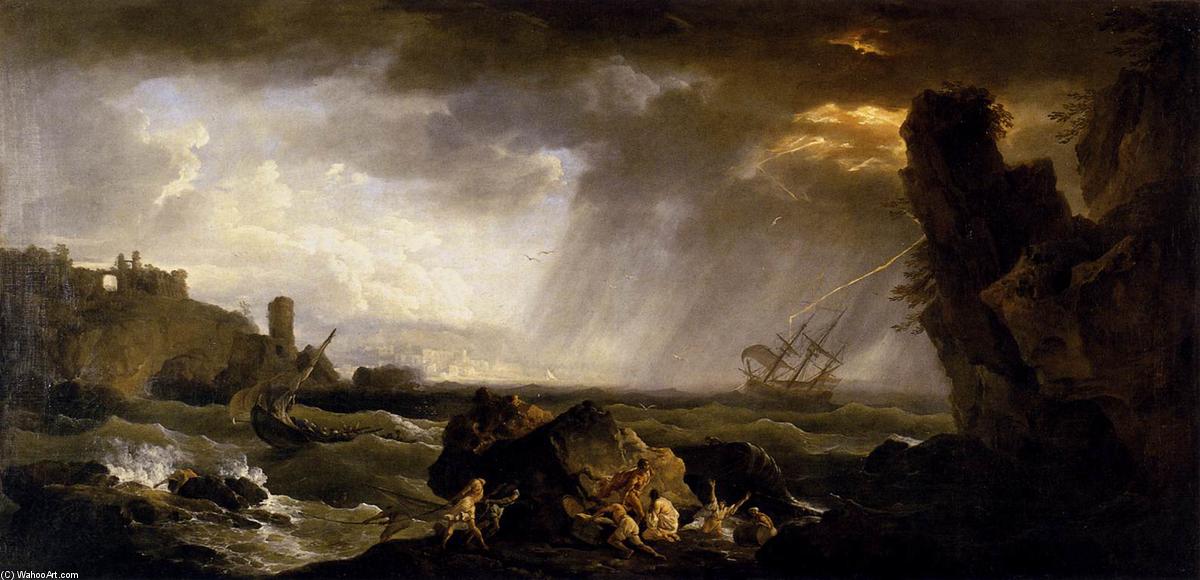
Claude-Joseph Vernet's "Seascape: Tempest," painted in 1735, isn’t merely a depiction of a storm at sea; it’s a visceral embodiment of nature’s raw power and the precariousness of human existence. More than two centuries after its creation, this oil on canvas continues to resonate with viewers, drawing them into the heart of the tempestuous scene with an immediacy rarely achieved in landscape painting. Vernet, a master of maritime light and atmosphere, elevates the seascape beyond simple representation, transforming it into a dramatic narrative filled with both terror and sublime beauty.
The painting immediately commands attention through its masterful use of color and composition. Dark blues and greens dominate the canvas, swirling together to create an illusion of relentless motion. The sky is choked with ominous clouds, pregnant with impending violence, while flashes of orange – likely representing a brief glimpse of sunlight piercing through the storm – offer fleeting moments of intense visual contrast. The waves themselves are rendered with remarkable detail; each crest and trough sculpted with meticulous care, conveying their immense force and unpredictable nature. The artist’s strategic use of light and shadow further amplifies this sense of drama, highlighting the chaotic energy of the scene while simultaneously creating a profound feeling of depth.
“Seascape: Tempest” is firmly rooted in the Rococo style, yet it anticipates the burgeoning Romantic movement. The emphasis on dynamic movement, emotional intensity, and the sublime – the awe-inspiring power of nature – are hallmarks of both styles. Vernet’s work represents a pivotal moment in art history, bridging the gap between the formal elegance of the late Baroque and the passionate individualism that would characterize the Romantics. The painting's loose brushwork and dramatic lighting, combined with its focus on the overwhelming force of nature, foreshadowed the Romantic fascination with untamed landscapes and the emotional experience of confronting the sublime.
Interestingly, Vernet’s background as a horse painter subtly informs his seascape. The dynamism and powerful musculature of his equine subjects are echoed in the surging waves and the desperate struggle for survival depicted in the foreground. The figures clinging to the rocks – rendered with a remarkable degree of realism despite the chaotic environment – evoke a sense of vulnerability and resilience, mirroring the themes often explored in Vernet’s equestrian compositions.
Beyond its technical brilliance, “Seascape: Tempest” is rich in symbolic meaning. The shipwreck itself represents human fallibility and the ultimate powerlessness of man against the forces of nature. The figures clinging to the rocks embody a desperate struggle for survival, highlighting the fragility of life. Yet, amidst this scene of devastation, there’s also a sense of awe and wonder—a recognition of the grandeur and majesty of the natural world. The lighthouse in the background, a beacon of hope against the storm, symbolizes guidance and resilience, suggesting that even in the darkest moments, there is always a path forward.
“Seascape: Tempest” remains a profoundly moving work of art, captivating viewers with its dramatic intensity and evocative power. Its masterful composition, skillful use of color and light, and rich symbolic content combine to create an unforgettable experience. Whether viewed in the Louvre’s hallowed halls or reproduced as a stunning print, Vernet's masterpiece continues to inspire contemplation on the relationship between humanity and nature—a theme that resonates deeply with audiences today. It is a testament to the artist’s ability to capture not just a scene, but an entire emotional landscape.


1714 - 1789 , 法国

Explore the profound beauty of village scene art. From Impressionist light to pastoral realism, discover how timeless landscapes capture nostalgia through expert artistry and historical depth. Perfect for collectors seeking evocative, museum-quality landscape inspirations.

Embark on a visual journey through history's most iconic landscapes. Discover the mastery of Impressionism and the sublime power of nature through our expert guide to classical landscape art, curated for the discerning collector and fine art enthusiast.

 效果预览
效果预览
 分享
分享 分享
分享
 详情
详情 指南
指南

 下载
下载
 相似作品
相似作品 X射线
X射线 幻灯片播放
幻灯片播放 统计数据
统计数据 展开详情
展开详情









 玻璃选项仅适用于110厘米以下的尺寸。


