x


从与原作比例一致的预设尺寸中进行选择。

您可以输入自定义尺寸,以适配特定的画框或空间。如果您选择的尺寸与原图比例不符,我们将对作品进行裁剪,或通过镜像填充/纯色填充边缘的方式来扩展图像。在开始制作之前,我们会向您发送一份数字效果图供您确认。
请注意,屏幕上的预览并不能反映实际的裁剪或扩展效果。只有效果图才能准确展示最终的构图。
虽然我们提供定制尺寸,但为了保持原图比例,我们建议您从预设列表中选择尺寸。

Air Air
复制品尺寸
In the vibrant landscape of contemporary sculpture, few works capture the whimsical intersection of public space and geometric abstraction as effectively as Air Air by the South Korean master Choi Jeonghwa. Created in 2012, this installation serves as a breathtaking dialogue between architecture and atmosphere. The piece is defined by its striking, monumental structures—most notably a large, luminous pink triangle that commands the viewer's attention, paired with a secondary green geometric form. These shapes do not merely sit within the park; they interact with the surrounding environment, inviting passersby to navigate a landscape where the boundaries between art and playground become beautifully blurred.
The visual language of Air Air is one of playful immediacy. The use of bold, saturated hues—the soft yet commanding pink and the refreshing green—creates a chromatic tension that feels both modern and deeply nostalgic. As visitors wander through the installation, their movements are reflected in the way light hits these massive, airy forms, turning a simple stroll through a park into an immersive sensory experience. For the collector or interior designer, this work represents more than just a sculpture; it is a study in how color and volume can transform the perception of space, injecting a sense of vitality and joy into any setting.
To understand Air Air, one must look toward the profound philosophy of Choi Jeonghwa. A pioneer in utilizing unconventional and often discarded materials, Choi’s practice is rooted in the concept of "pop art" through a Korean lens—finding the extraordinary within the ordinary. While this specific installation utilizes grand geometric volumes to create an inviting public spectacle, it carries the underlying weight of his lifelong exploration into consumption and ecology. The structures, though appearing light and ephemeral like air itself, provoke a deeper contemplation on how we occupy space and how our manufactured environments interact with the natural world.
The symbolism within the piece lies in its accessibility. Unlike traditional monuments that demand reverence from a distance, Air Air invites touch, movement, and communal gathering. The presence of people weaving through the pink and green triangles adds a layer of living texture to the work; the art is never truly complete without the human element. This creates an emotional resonance of inclusivity and lightness, making it an ideal inspiration for those looking to bring a sense of dynamic energy and contemporary sophistication into their curated collections or high-end design projects.
For enthusiasts of contemporary Korean art, owning a reproduction of such a significant installation offers a window into the avant-garde spirit of Seoul. The piece embodies a unique stylistic fusion: it possesses the clean lines of industrial design while maintaining the soulful, experimental heart of fine art. It is a work that celebrates the ephemeral nature of life—the "air" that surrounds us—and captures a moment of pure, unadulterated wonder.
Whether displayed as a focal point in a minimalist gallery or used to add a pop of architectural interest in a modern residential interior, Air Air serves as a constant reminder of the beauty found in structural simplicity and bold color. It is an invitation to breathe, to observe, and to find magic in the geometric rhythms of our shared world.

In the vibrant, neon-soaked landscape of contemporary art, few figures command attention with as much playful audacity as Choi Jeonghwa. Born in Seoul in 1961, Choi has emerged not merely as a sculptor or a designer, but as a master of transformation. His practice is a profound meditation on the ephemeral nature of modern life, achieved through the radical reimagining of the mundane. By breathing new life into discarded plastics, polystyrene, and mass-produced trinkets, he bridges the gap between high art and the kitsch of daily existence, creating a visual language that is as much about ecological awareness as it is about pure, unadulterated joy.
Choi’s artistic journey is deeply intertwined with the rapid metamorphosis of Seoul itself. Growing up amidst the city's burgeoning creative energy, he developed an early fascination with the intersection of graphic design, industrial aesthetics, and the sheer visual density of urban life. This multidisciplinary foundation allowed him to approach sculpture without the constraints of traditional medium-specific boundaries. His work does not merely sit in a gallery; it breathes within the space, often expanding into monumental installations that challenge our perceptions of scale and value. He possesses a unique ability to take the "cheap" and the "disposable"—materials often ignored or reviled by the art establishment—and elevate them to the status of breathtaking spectacle.
The conceptual heartbeat of Choi’s work is deeply rooted in the avant-garde traditions of Fluxus and Dadaism. These movements, which championed absurdity, chance, and the dismantling of academic hierarchies, provided him with a blueprint for artistic rebellion. From these influences, Choi inherited a belief that art should be accessible, humorous, and even provocative. He rejects the solemnity often associated with fine art, opting instead for an aesthetic of "pop" that invites the viewer to participate in a shared moment of wonder. This spirit of experimentation is evident in his mastery of unconventional materials; he manip deconstructed wires, recycled plastics, and inflated balloons to create structures that feel both weightless and imposing.
His development as an artist was marked by a rigorous commitment to the tactile reality of his chosen media. Rather than seeking permanence through bronze or marble, Choi embraces the temporary. His sculptures often mirror the lifecycle of the objects they are composed of—vibrant, blooming, and eventually subject to the same decay as the consumer culture they critique. This tension between the spectacular visual impact and the inherent fragility of the materials creates a poignant dialogue about consumption, waste, and the fleeting nature of beauty in a globalized society.
The international art community has long recognized Choi’s ability to turn the ephemeral into the iconic. One of his most celebrated achievements remains the “White Lotus,” a colossal, ethereal flower constructed from inflated polystyrene that captivated audiences at the 2005 Venice Biennale. This work served as a definitive statement of his artistic philosophy: using the most humble, mass-produced elements to create something of transcendent, monumental beauty. Such works have cemented his reputation as an artist who can navigate the complexities of public art, architecture, and installation with seamless grace.
Beyond the gallery walls, Choi Jeonghwa’s significance lies in his ability to democratize the aesthetic experience. His large-scale installations often function as public interventions, transforming urban spaces into playgrounds of color and light. Through his work, he forces a confrontation with our ecological footprint, reminding us that even in the debris of our consumerist habits, there is a profound potential for rebirth. His legacy is one of continuous reinvention, proving that art is not found in the preciousness of the material, but in the transformative power of the artist's gaze.

1961 - , South Korea

Journey through art history with our Top 10 bronze sculptures! Explore masterpieces by Rodin, Michelangelo & more. Discover stories behind iconic statues and find museum-quality reproductions for your home decor at WahooArt.com.
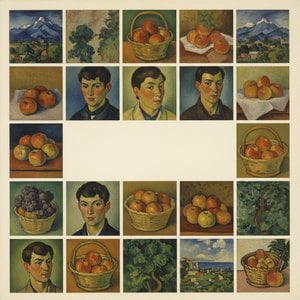
探索保罗·塞尚25幅经典杰作!深入了解后印象派大师的艺术生涯、独特技法与色彩运用。WahooArt提供高清油画复制品,为您的家居带来博物馆级艺术体验。立即发现更多名画,点亮生活空间!

Explore the rich history of sculpture from ancient masterpieces to contemporary innovations. Discover key techniques, influential artists & investment potential for discerning art collectors.

探索费尔南·莱热25幅经典杰作!深入了解这位立体主义大师的管形主义风格、机械美学与色彩构成。WahooArt提供高清艺术复制品,为您的家居带来现代艺术气息。立即发现更多名画,打造专属艺术空间!

Journey through art history with 10 legendary bronze sculptures – from Michelangelo's David to Rodin’s Thinker. Explore the stories, techniques & timeless beauty of these masterpieces. Find museum-quality reproductions & elevate your home decor on WahooArt.com.


第一时间获取最新的艺术新闻、独家优惠及装饰灵感。
向我们介绍您的项目需求,我们的艺术专家将为您提供 3 个个性化的艺术品推荐。
由我们的专家为您精选 3 款心仪之作 —— 完全免费!


 购买手绘画作
 分享
分享 分享
分享
 详情
详情

 下载
下载
 相似作品
相似作品 幻灯片播放
幻灯片播放


 展开详情
展开详情






































 玻璃选项仅适用于110厘米以下的尺寸。