
博物馆级艺术微喷或帆布版画,制作高效,并提供多种饰面选择。 ( 订购此收藏品的纯手工复刻画作 切换至数字图像销售渠道)





























您可以从与原作比例一致的预设尺寸中进行选择。

请输入您所需的宽度和高度,以适配您的画框或墙面。由于印刷品只能进行裁剪,无法超出原图尺寸,因此若比例不一致,画面的一部分将会被裁切。在正式印刷之前,我们会为您发送一份数字效果图供您确认。本页面显示的图片并非最终裁剪后的效果——只有效果图才能展示真实的裁剪情况。
MARIE LECZINSKA
复刻品尺寸说明
Charles-André van Loo’s “Marie Leczinska” isn't merely a portrait; it’s a carefully constructed tableau vivant, a glimpse into the refined world of 18th-century French court life. Painted in 1747, this work captures Marie as she sat for the artist, a woman poised between duty and delight, radiating an understated elegance that speaks volumes about her position and personality. The scene unfolds within a meticulously rendered formal garden, a deliberate setting designed to elevate her status and subtly convey themes of nobility, leisure, and the delicate balance of power inherent in royal life.
Van Loo’s signature Rococo style is immediately apparent – an abundance of swirling drapery, pastel hues, and intricate ornamentation. The composition is remarkably balanced, with Marie positioned centrally yet gently offset by the architectural elements of the garden: a classical column, a glimpse of a distant building, and the suggestion of a shaded loggia. The artist masterfully employs light to create a sense of depth and atmosphere; diffused sunlight filters through the foliage, casting soft shadows that enhance the textures of fabrics and skin. The color palette is restrained yet luminous – creams, pale blues, and delicate pinks dominate, creating an air of serenity and refinement.
Beyond its aesthetic beauty, “Marie Leczinska” is rich with symbolic meaning. The formal garden itself represents the queen's role as a patron of the arts and a figure of grace and refinement. Her pose – relaxed yet dignified, hand gently resting on a delicate vase – suggests both composure and an openness to pleasure. The inclusion of flowers, particularly those held in her hands, is laden with symbolism; they likely represent virtues or sentiments associated with queenship—beauty, fertility, and prosperity. The distant architectural elements hint at the grandeur of Versailles and the weight of royal responsibility, subtly reminding the viewer of Marie’s position within the complex tapestry of French courtly society.
The presence of a man seated behind her, observing her with quiet attentiveness, adds another layer to the narrative. This figure is likely her husband, Louis XV, and his gaze suggests both admiration and perhaps a touch of protective concern. The arrangement subtly underscores the power dynamics within the marriage – Marie as the beautiful subject, Louis as the watchful guardian of the realm.
Van Loo's skill is evident in his meticulous attention to detail and his ability to capture the nuances of texture and light. The painting was executed in oil on canvas, a medium that allowed him to achieve remarkable subtlety and depth of color. The layering of paint creates a sense of luminosity, particularly in the fabrics and skin tones. Note the delicate rendering of the folds in Marie’s dress, the intricate details of the flowers, and the subtle gradations of light and shadow—all hallmarks of Van Loo's masterful technique.
This work stands as a testament to the artist’s legacy within the Rococo movement. As a member of a prominent family of painters, Charles-André van Loo built upon his predecessors’ traditions while establishing his own distinctive style. His portraits were highly sought after by royalty and nobility throughout Europe, and “Marie Leczinska” remains one of his most celebrated achievements—a captivating example of Rococo elegance and artistic skill.
夏尔-安德烈·范卢 的《MARIE LECZINSKA》 采用了 Earthy 色调,并以 Putty (#c8c6b7) 作为主导色。
“MARIE LECZINSKA”的整体亮度为bright,其亮度值为Gentle Luminance。
夏尔-安德烈·范卢 的《MARIE LECZINSKA》 记录的亮度为 Gentle Luminance。


1705 - 1765 , 法国

探索洛可可艺术的辉煌!本文精选十幅名作,从华丽色彩到精致细节,揭秘法国洛可可风格的魅力。跟随大师们的足迹,感受艺术史上的优雅与浪漫。WahooArt.com为您提供博物馆品质的艺术复制品和个性化家居装饰方案。尽在WahooArt.com!

探索伦勃朗25幅杰作,领略荷兰黄金时代光影大师的艺术传奇!从《夜巡》到自画像,深入了解巴洛克艺术、历史绘画与人物肖像背后的故事。WahooArt.com提供高清艺术复制品及家居装饰灵感。立即探索完整系列!

Explore the elegant world of Charles-André van Loo, a master of Rococo portraiture at the French court. Discover his life, techniques, and enduring influence on 18th-century art. Hand-painted reproductions available.
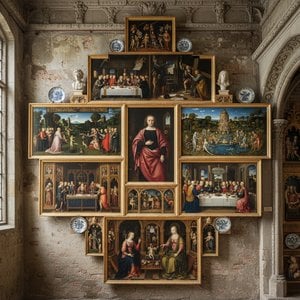
Journey into the Early Netherlandish Renaissance! Explore 10 iconic paintings by Jan van Eyck, Rogier van der Weyden & more. Discover stunning detail, symbolism, and oil painting techniques. Find museum-quality art reproductions for your home at WahooArt.com.
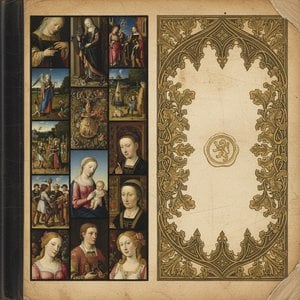
Journey into the world of Early Netherlandish painting! Explore 10 masterpieces by Jan van Eyck, Rogier van der Weyden & more. Discover stunning detail, symbolism & Renaissance art for your home decor. Find museum-quality reproductions on WahooArt.com


 实景预览
实景预览
 发送
发送 分享
分享
 详情
详情 指南
指南

 下载图片
下载图片
 相似作品
相似作品 X射线
X射线 幻灯片播放
幻灯片播放 统计数据
统计数据

 阅读全文
阅读全文









 玻璃选项仅适用于110厘米以下的尺寸。


