
 Acrylic On CanvasWallArt
 1598
1598 54.0 x 48.0 cm
 大都会艺术博物馆
由我们的艺术家按需定制,为您提供您所选尺寸及画框的布面手工油画。 ( 切换至版画销售渠道 切换至数字图像销售渠道)





























从与原作比例一致的预设尺寸中进行选择。

您可以输入自定义尺寸,以适配特定的画框或空间。如果所选尺寸与原图比例不符,我们将通过裁剪作品或添加手绘元素来扩展画面。数字样稿将在制作开始前发送给您确认。
请注意,屏幕预览无法准确反映实际的裁剪或扩展效果,只有样稿才能真实呈现最终的构图。
虽然我们提供定制尺寸服务,但为了保留原作比例,建议您从预设列表中选择尺寸。

Paradise
复制品尺寸
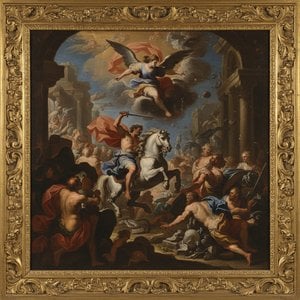
Carlo Saraceni’s “Paradise,” painted circa 1598, stands as a testament to the burgeoning artistic fervor of Venice during its golden age—a period marked by unprecedented patronage and innovation. Immediately responding to Francesco Bassano’s ambitious altarpiece depicting the same subject at the Gesù in Rome, Saraceni deftly captured the spirit of Venetian artistic tradition while simultaneously embracing the stylistic advancements originating from northern Europe.
Saraceni's vision is profoundly shaped by the pioneering landscapes of Adam Elsheimer, whose meticulous attention to detail and use of copper—a medium favored for its ability to render complex forms at a small scale—established a precedent that would reverberate throughout Baroque painting. Simultaneously, Saraceni absorbed Caravaggio’s revolutionary techniques of tenebrism – dramatic chiaroscuro – injecting into his work the visceral energy and psychological depth characteristic of Caravaggio's masterpieces.
The painting depicts a serene religious scene centered around Jesus Christ and Mary Magdalene, enveloped in an ethereal glow emanating from the upper portion. Below, a congregation gathers before a monumental stone, symbolizing divine authority and contemplation. The inclusion of figures like Saint John the Baptist—holding a flag representing victory—adds layers of symbolism to the composition.
Beyond its immediate depiction of biblical figures, “Paradise” embodies broader symbolic representations of faith and redemption. The carefully orchestrated arrangement of elements—the radiant glory surrounding the Trinity, the positioning of saints and angels—creates a harmonious visual experience designed to inspire reverence and devotion. Saraceni’s masterful use of color and light contributes significantly to conveying this emotional resonance.
The painting's provenance remains unknown, but it is believed to have been commissioned by an aristocratic patron—likely portrayed as the man gazing out from the lower left corner. Saraceni’s “Paradise” exemplifies the Venetian Baroque style at its finest, securing his place among the foremost artists of the era and influencing generations of painters who followed.
Further research into Saraceni’s oeuvre reveals his exploration of landscape painting and his masterful assimilation of Caravaggio's tenebristic style. His contribution to Venetian Baroque art continues to inspire admiration and scholarly inquiry.


1579 - 1620 , 意大利
Explore the breathtaking power of Baroque art. Delve into the dramatic interplay of light, shadow, and motion through the works of masters like Caravaggio. Discover how the era's intense emotional realism continues to inspire collectors and connoisseurs of classical grandeur.

Explore the profound impact of Tenebrism in Baroque art. Discover how masters like Caravaggio used dramatic shadows to evoke emotion, and learn the technical secrets behind this captivating style of light and darkness.

Discover the profound emotional power of Baroque painting. Explore the mastery of chiaroscuro, the realism of Caravaggio, and the dramatic interplay of light and shadow in this expert guide for classical art enthusiasts and collectors.

Explore the profound mastery of Caravaggio's tenebrism. Discover how his dramatic use of chiaroscuro revolutionized Baroque art through intense emotion and realism. An expert guide for classic art enthusiasts seeking to understand the power of shadow in historical masterpieces.

Embark on a sophisticated journey through Italian Baroque art. Discover the dramatic interplay of light and emotion in Caravaggio’s masterpieces and explore how to bring this timeless grandeur into your collection with expert art insights.


 效果预览
效果预览
 分享
分享 分享
分享
 详情
详情

 下载
下载
 相似作品
相似作品 X射线
X射线 幻灯片播放
幻灯片播放 统计数据
统计数据 展开详情
展开详情









 玻璃选项仅适用于110厘米以下的尺寸。


