
获取远超网页预览效果的印刷级文件。我们销售的每一张数字图像均源自库存数据库中的高分辨率母版——宽度通常在 5,000 至 15,000 像素之间——因此您可以放心地进行大幅打印、局部裁剪或还原细腻的细节。
每一件作品在离开我们的工作室前都经过了精心的处理。数字影像专家会对照原作核对色彩,并在必要时进行校正,随后利用专业修图工具提升清晰度与细节表现——且始终忠实于艺术家的笔触与风格。最终呈现的图像宛如原作本身,而非仅仅是一张加了滤镜的扫描件。
您可以在最终定稿前进行审核:我们的专家将在 72 小时内通过电子邮件向您发送图像以供审阅。如果不满意?您可以要求改进或修正;若质量未达预期,亦可申请退款。
这也是出版商、设计工作室、画廊及印刷厂所信赖的品质。
选择 WahooArt.com,您获得的不仅仅是一张图像——您收到的是经过专业级增强、精雕细琢的数字艺术作品,并享有满意保证。以下是您的订单中自动包含的所有内容:
您的高分辨率数字图像文件将在下单后 72 小时内通过电子邮件发送给您 —— 即可立即使用。
您的艺术品经过专业优化,结合先进的 AI 技术与人工修饰,确保呈现极致的细节、清晰度与色彩准确度。
不小心删除了文件或找不到了?没关系——我们将随时为您免费重发。
即刻拥有您的艺术作品,无需支付任何关税、税费或运费——数字下载始终免税。
我们通过专业工具与色彩管理技术,确保您的数字图像尽可能真实地还原原作色彩。
如果您对所购数字图像不满意,我们将在100天内为您进行修改或提供100%的全额退款——无需任何理由。
不满意?在收到数字文件后的100天内,您可以申请全额退款——无需任何理由。
购买 3 张享 10% 折扣 - 购买 5 张享 15% 折扣 - 购买 10 张以上享 20% 折扣。非常适合创意项目、画廊及机构使用。

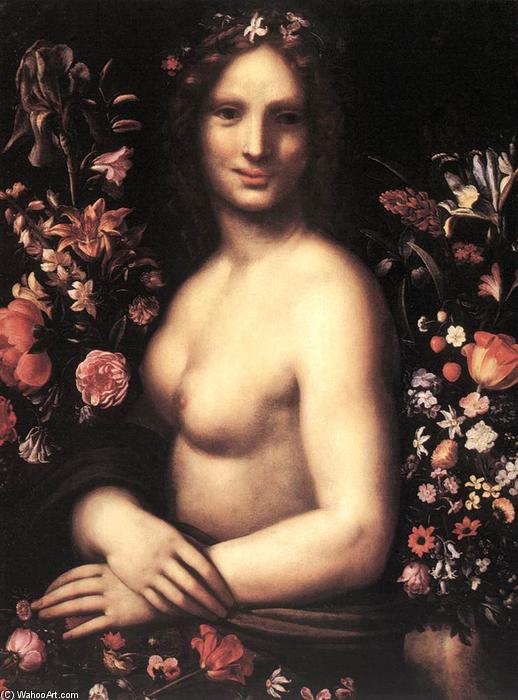
Born in Bologna in 1555, Carlo Antonio Procaccini emerged as a significant figure within the late-Renaissance artistic landscape, though his legacy remains somewhat understated compared to some of his contemporaries. He was part of a prolific family of artists – son of Ercole, brother to Camillo and Giulio Cesare the Elder, and father to Ercole the Younger – each contributing to the vibrant art scene of Bologna and Milan. Initially trained by his father, Procaccini quickly distinguished himself not through grand historical narratives or religious frescoes, but through a keen eye for detail and an exceptional ability to capture the ephemeral beauty of nature in both landscapes and still lifes. While his family was known for more traditional artistic pursuits, Carlo Antonio carved out his own niche, demonstrating a particular aptitude for depicting floral arrangements, luscious fruits, and serene landscapes that would define his career.
Procaccini’s early years were rooted in the artistic traditions of Bologna, but it was his relocation to Milan around 1587 that truly shaped his distinctive style. This move coincided with a period of significant artistic flourishing in Milan, fueled by patronage from wealthy families like the Visconti Borromeo. It was here that Procaccini found fertile ground for his talents, particularly excelling in still life painting – a genre gaining increasing popularity across Europe at the time. Unlike some of his contemporaries who focused on dramatic or allegorical subjects, Procaccini’s still lifes possessed a quiet elegance and meticulous realism. He masterfully rendered textures—the velvety sheen of ripe peaches, the delicate translucence of petals, the rough bark of fruit trees—creating compositions that were both visually stunning and deeply evocative of sensory experience. His landscapes, too, while less numerous than his still lifes, demonstrated a similar attention to detail and a preference for tranquil scenes, often imbued with a subtle sense of spirituality.
Procaccini’s artistic development was undoubtedly influenced by the broader trends of the late Renaissance. The meticulous observation of nature championed by artists like Leonardo da Vinci and Albrecht Dürer resonated deeply within his work. However, Procaccini also demonstrated a clear affinity for Flemish painting, particularly the rich color palettes and detailed rendering of textures characteristic of Northern European masters. This influence is evident in the abundance of detail and the almost tangible quality of his floral arrangements. While he maintained a connection to the Mannerist style prevalent during his early training, Procaccini gradually moved towards a more naturalistic approach, prioritizing accurate representation over stylized forms. His landscapes, often featuring classical ruins or idyllic countryside scenes, reveal an appreciation for atmospheric perspective and a desire to capture the fleeting effects of light and shadow.
Contemporary accounts, notably from Luigi Lanzi, attest to Procaccini’s prolific output and the high demand for his paintings among collectors. However, despite this recognition during his lifetime, relatively few of his works have survived or been definitively attributed to him, making it challenging to fully assess the scope of his artistic achievement. The two signed and dated landscapes from 1616 offer invaluable insights into his style and demonstrate a remarkable ability to integrate narrative elements within serene natural settings. Though less widely known today than some of his more celebrated contemporaries, Carlo Antonio Procaccini’s contribution to late-Renaissance art should not be underestimated. His exquisite still lifes and tranquil landscapes stand as testaments to his keen observation skills, technical mastery, and enduring appreciation for the beauty of the natural world. He died in Milan in 1630, leaving behind a legacy that continues to captivate viewers with its quiet elegance and meticulous detail.
To fully understand Carlo Antonio’s place within art history, it's essential to consider the broader context of his family. The Procaccinis were a dynasty of artists who significantly impacted the artistic landscape of Bologna and Milan for over a century. Ercole Procaccini the Elder, Carlo Antonio’s father, established the family’s reputation as skilled painters. His sons, Camillo, Giulio Cesare, and Carlo Antonio, each pursued successful artistic careers, contributing to various genres including frescoes, portraits, and religious paintings. Ercole Procaccini the Younger, Carlo Antonio’s son, continued the family tradition, further solidifying their presence in the art world. This familial network fostered a collaborative environment where techniques and influences were shared across generations, resulting in a distinctive artistic style that characterized the Procaccini legacy.

1555 - 1630 , Italy

 实景预览
实景预览
 切换至版画销售渠道
 分享
分享 分享
分享
 详情
详情 指南
指南

 下载作品
下载作品
 相似作品
相似作品 X射线
X射线 幻灯片播放
幻灯片播放 Q&A
Q&A 统计数据
统计数据

 展开全文
展开全文


