Acrylic On CanvasWallArtRomantic Industrialization
 183419th Century
 26.0 x 33.0 cm
 国家美术馆
国家美术馆博物馆级艺术微喷或帆布版画,制作高效,并提供多种饰面选择。 ( 订购此收藏品的纯手工复刻画作 切换至数字图像销售渠道)





























您可以从与原作比例一致的预设尺寸中进行选择。

请输入您所需的宽度和高度,以适配您的画框或墙面。由于印刷品只能进行裁剪,无法超出原图尺寸,因此若比例不一致,画面的一部分将会被裁切。在正式印刷之前,我们会为您发送一份数字效果图供您确认。本页面显示的图片并非最终裁剪后的效果——只有效果图才能展示真实的裁剪情况。
Rolling Mill
复刻品尺寸说明
Carl Blechen's "Rolling Mill" isn’t merely a depiction of a factory; it’s a profound meditation on the burgeoning industrial landscape of 19th-century Germany, rendered with a haunting beauty that belies its subject matter. Painted in 1834, this oil on canvas captures a pivotal moment – the rise of mechanized production and its complex relationship to the natural world. Blechen, a key figure in bridging Romanticism and early industrialization, eschews the idealized pastoral scenes favored by many of his contemporaries, instead confronting the gritty reality of factories like the Neustadt-Eberswalde Rolling Mill, one of the first metalworking plants in the Mark Brandenburg.
The painting immediately draws the eye to a vast, imposing structure dominated by towering smokestacks and the rhythmic clang of machinery. Blechen masterfully employs atmospheric perspective – a technique borrowed from the Italian masters he admired – to create a sense of depth and scale. The distant hills are rendered in muted blues and purples, contrasting sharply with the darker tones of the mill itself. This deliberate juxtaposition highlights the encroachment of industry upon the serene beauty of the countryside, suggesting a fundamental shift in the relationship between humanity and nature.
Blechen’s approach to industrial subject matter is remarkably nuanced. He doesn't present the factory as a symbol of progress or triumph; rather, he imbues it with a melancholic quality. The scene is populated by figures – a solitary angler casting his line into the Finow Canal and two fishermen hauling in their nets – who seem almost oblivious to the industrial activity unfolding behind them. These individuals represent a traditional way of life, seemingly untouched by the forces of modernization. Their presence serves as a poignant reminder of what’s being lost in the relentless march forward.
The painting's composition is carefully orchestrated to evoke a sense of unease and contemplation. The dominant verticality of the mill contrasts with the horizontal lines of the river, creating a visual tension that mirrors the conflict between tradition and innovation. Blechen’s use of light and shadow further enhances this effect, casting long, dramatic shadows across the landscape and emphasizing the imposing scale of the factory.
Blechen's technical skill is evident in his meticulous attention to detail – from the intricate patterns of the machinery to the subtle variations in color and texture. He employs a loose, expressive brushstroke that captures the dynamism of the scene while maintaining a sense of atmospheric depth. The painting’s palette is dominated by earthy tones—browns, grays, and ochres—which contribute to its somber mood. The smoke billowing from the chimneys isn't simply a visual element; it symbolizes the pollution and environmental degradation associated with industrialization – a subtle but powerful critique of the era.
Interestingly, Blechen’s work predates many later Romantic depictions of industry, making it a remarkably prescient commentary on the social and environmental consequences of rapid technological advancement. The painting's enduring power lies in its ability to capture not just the physical reality of the rolling mill but also the emotional and philosophical complexities of an era defined by profound transformation.
“Rolling Mill” stands as a testament to Carl Blechen’s unique artistic vision. It's a work that invites viewers to consider the lasting impact of industrialization on both the landscape and the human spirit. Reproductions of this powerful image offer a valuable opportunity to engage with a pivotal moment in art history, prompting reflection on our own relationship with technology and the environment. The painting’s continued relevance speaks volumes about Blechen's ability to capture the essence of his time—a time of both unprecedented progress and profound uncertainty.
原作卡尔·布莱肯 的《Rolling Mill》为Acrylic On Canvas作品,尺寸为26 x 33 cm。技法与尺寸描述的是原件本身。
卡尔·布莱肯 在 1834 年创作《Rolling Mill》时,年龄为 36 岁。该年龄是根据艺术家的出生年份 1798 计算得出的。
关于 卡尔·布莱肯 的《Rolling Mill》 的统计数据可在该作品的 统计数据 页面查看:包括作品的每月访问量、艺术家作品的访问量,以及近期访客的国家和语言分布情况。

卡尔·埃德华·费迪南德·布莱肯,1798年生于德国科特布斯,在风景画领域占据着独特而常常被忽视的地位。他的一生充满了艺术才华与个人苦难,这种双重性深刻地塑造了他充满感染力和开创性的作品。最初由于家庭经济状况的限制,注定要从事务实的银行业务生涯,但布莱肯天生的艺术倾向最终占了上风。1822年,他进入柏林艺术学院学习,踏上一条道路,这条道路将使他成为第一批努力应对早期工业化带来的美学挑战——以及可能性——的艺术家。
布莱肯的 formative years 沉浸在席卷欧洲的浪漫主义理想之中。然而,与许多专注于理想化的自然美景或历史宏伟场面的同时代画家不同,布莱肯的目光投向了一个正在变化的世界。1828-1829年对意大利的旅行具有决定性的意义。他沉浸在意大利乡村的光线和氛围中,磨练了纯写生技巧,以非凡的敏感捕捉转瞬即逝的时刻和戏剧性的效果。这些素描不仅仅是准备研究;它们被赋予了一种充满活力的能量,这种能量将成为他成熟风格的特征。他回到柏林,不仅是一位技术娴熟的画家,更是一位拥有独特视野的艺术家——他的愿景寻求调和自然崇高的美丽与日益逼近的现代现实。
布莱肯的艺术创作特点是浪漫主义感性和一种新兴的现实主义之间的引人入胜的张力。他不回避描绘蓬勃发展的工业景观,但也不批判性地颂扬它。1830年至1832年创作的建造魔鬼桥 (Bau der Teufelsbrücke) 很好地体现了这种方法。这幅画并没有美化这项工程壮举;相反,它呈现了一个艰苦劳动的场景,以戏剧性的背景为衬托,暗示着人类的雄心和自然秩序可能被扰乱的可能性。这种直面时代复杂性的意愿使他与许多同时代的人区分开来。
他的风景画通常充满忧郁的气氛,反映了不断变化的物理环境以及他内心的挣扎。例如,施潘道附近的森林小路 (Waldweg bei Spandau) 唤起了孤独和内省的感觉,同时也展示了布莱肯对光线和阴影的掌握。他巧妙地运用大气透视来创造深度和氛围,将观众带入场景并邀请沉思。他不仅仅是在记录他所看到的东西;他正在传达一种情感反应。
尽管取得了艺术成就,布莱肯的一生却因精神疾病而过早地结束了生命。1831年被任命为柏林学院的风景画教授——证明了他的声誉日益提高——他的病情在1835年后迅速恶化。被迫休假并最终住院治疗,即使在痛苦中,他继续创作艺术作品,创作出感人的素描,展现了他内心世界的景象。他在1840年于柏林去世,享年41岁。
尽管他的职业生涯相对短暂,但卡尔·布莱肯对后世艺术家的影响是不可否认的。他开创性地描绘了工业景观,为后来追求捕捉现代生活变貌的现实主义和印象派画家铺平了道路。他证明了即使在变革之中也能找到美丽——以及意义——这对于今天的艺术家来说仍然是一个有力的提醒。他的作品仍然是对人类、自然与进步之间复杂关系的有力提醒。
今天,布莱肯的作品可以在世界各地的著名博物馆收藏中找到,包括德国比勒费尔德艺术馆 (Kunsthalle Bielefeld)、剑桥菲茨威廉博物馆和伦敦国家美术馆。这些机构保存了他的遗产供后代珍藏,确保他的创新愿景继续激励和挑战观众。
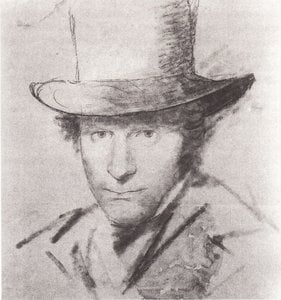
1798 - 1840 , 德国

Explore the profound emotional power of Romantic landscape art. Discover how masters like Friedrich captured the sublime through breathtaking nature, and learn to curate these evocative masterpieces for your luxury interior collection.

Explore the profound emotional depth of Romantic landscape painting. Discover how masters captured the sublime through light, shadow, and untamed nature, and learn to bring this timeless, atmospheric beauty into your collection with museum-quality fine art reproductions.


 实景预览
实景预览
 发送
发送 分享
分享
 详情
详情 指南
指南

 下载图片
下载图片
 相似作品
相似作品 X射线
X射线 幻灯片播放
幻灯片播放 统计数据
统计数据 阅读全文
阅读全文









 玻璃选项仅适用于110厘米以下的尺寸。