A Portrait of Reflection: Caravaggio’s Untitled (9326)
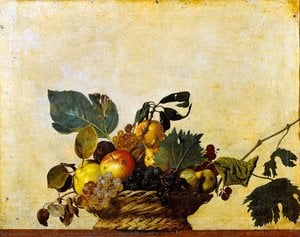
Caravaggio's *Untitled (9326)*, a stark monochrome depiction of a man kneeling before a mirror, transcends mere representation; it embodies the profound psychological exploration characteristic of Baroque art and stands as a testament to Michelangelo Merisi da Caravaggio’s revolutionary approach to painting. Executed around 1606, this canvas resides within the esteemed collection of Cardinal Scipione Borghese at Rome—a commission that reflects Borghese's fervent patronage of artistic innovation during his era. The artwork immediately captivates with its masterful use of tenebrism – Caravaggio’s signature technique – where dramatic contrasts between light and dark dominate the composition, creating an atmosphere of intense solemnity and introspection.
- Subject Matter: The central figure is a man absorbed in contemplation as he gazes upon his reflection within the mirror. This simple yet powerful image speaks volumes about human vulnerability and self-awareness—themes prevalent throughout Caravaggio’s oeuvre.
- Style & Technique: Caravaggio's style is defined by its uncompromising realism, achieved through meticulous observation of anatomy and drapery. The artist employed a rapid painting process, applying paint directly onto the canvas with minimal blending, resulting in textured surfaces that convey immediacy and emotional intensity.
- Historical Context: Painted during the height of Baroque artistic fervor—a period marked by papal patronage and an obsession with theatrical grandeur—*Untitled (9326)* aligns itself perfectly with the broader stylistic trends of the time. Caravaggio’s work challenged prevailing academic conventions, prioritizing emotional impact over idealized beauty.
The mirror serves as a potent symbol – representing not merely visual reflection but also psychological introspection and confronting one's inner self. The man’s posture conveys humility and vulnerability, suggesting an earnest desire for understanding and acceptance. Caravaggio skillfully utilizes chiaroscuro to sculpt the figure’s form, emphasizing musculature and conveying a palpable sense of physicality alongside spiritual contemplation. This juxtaposition underscores the artist’s belief that art should engage both intellect and emotion.
- Symbolism: The skull positioned beneath the mirror is a recurring motif in Caravaggio's paintings, serving as a constant reminder of mortality—a sobering counterpoint to the man’s gaze upon his reflection.
- Emotional Impact: *Untitled (9326)* evokes feelings of melancholy and contemplation, inviting viewers to ponder questions of identity and existence. Its dramatic lighting and expressive brushstrokes powerfully communicate Caravaggio's artistic vision—one rooted in profound psychological insight and unwavering commitment to realism.
The artwork’s provenance traces back to Cardinal Scipione Borghese, a visionary collector who championed Caravaggio’s groundbreaking style. Subsequent exhibitions across Europe – including Palazzo Pitti, Museo Nacional del Prado, Museo de Bellas Artes Bilbao, and Van Gogh Museum – have solidified *Untitled (9326)*'s place as one of Caravaggio’s most iconic works. A high-quality reproduction captures the essence of this masterpiece, allowing admirers to experience its captivating drama and enduring beauty firsthand.
常见问题与解答
卡拉瓦乔 的《untitled (9326)》 的主导色是什么?
在“untitled (9326)”中,最引人注目的颜色是Driftwood (#9d7658)。了解作品的主色调有助于将其与室内装饰进行搭配。
《untitled (9326)》的创作者 卡拉瓦乔 是否还有其他艺名?
卡拉瓦乔 也以 米开朗琪罗·梅里西·达·卡拉瓦乔, 米歇朗基罗·梅里西 (或梅里吉), 阿梅里吉·达·卡拉瓦乔 等其他名称为人所知。
卡拉瓦乔 的《untitled (9326)》 的视觉明亮度如何?
就视觉亮度而言,卡拉瓦乔 的《untitled (9326)》 呈现出 deep_shadow 的效果。