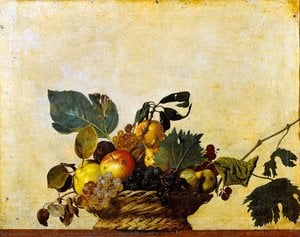
博物馆级艺术微喷或帆布版画,制作高效,并提供多种饰面选择。 ( 订购纯手工绘制画作 切换至数字图像销售渠道)





























您可以从与原作比例一致的预设尺寸中进行选择。

请输入您所需的宽度和高度,以适配您的画框或墙面。由于印刷品只能进行裁剪,无法超出原图尺寸,因此若比例不一致,画面的一部分将会被裁切。在正式印刷之前,我们会为您发送一份数字效果图供您确认。本页面显示的图片并非最终裁剪后的效果——只有效果图才能展示真实的裁剪情况。
untitled (1574)
复刻品尺寸
Michelangelo Merisi da Caravaggio, a name that reverberates through the annals of Baroque art history, wasn't merely a painter; he was a revolutionary who fundamentally altered artistic conventions. Born in Milan in 1571 amidst the turbulent backdrop of plague and familial loss—experiences profoundly shaping his worldview—Caravaggio’s early life instilled within him an unwavering empathy for human suffering, a preoccupation that would become central to his oeuvre.
His formative training under Simone Peterzano, a former pupil of Titian, provided him with the foundational skills of Renaissance painting. However, Caravaggio swiftly rejected these established traditions, forging instead a path characterized by audacious experimentation and an uncompromising commitment to realism. This rebellious spirit found its ultimate expression in Rome around 1592, where he wrestled for recognition amidst fierce competition and endured considerable hardship—challenges that fueled his artistic drive.
Caravaggio's genius lay not just in depicting biblical narratives with visceral immediacy but also in mastering a technique known as tenebrism – dramatic chiaroscuro. Unlike the subtle gradations of light prevalent in earlier Renaissance art, Caravaggio employed stark contrasts between darkness and illumination, creating an unsettling yet profoundly captivating visual experience. This masterful manipulation of light wasn’t merely stylistic; it served to heighten emotional impact, drawing viewers into the scene and emphasizing key figures—particularly Jesus—amidst oppressive gloom.
“Untitled (1574)” exemplifies Caravaggio's signature style perfectly. The depiction of Christ crucified embodies the core tenets of Baroque religious art: unflinching realism combined with intense emotional expression. The artist meticulously rendered every detail—the musculature of Jesus’s body, the texture of his garments—creating a portrait that transcends mere representation and aspires to evoke profound contemplation.
The inclusion of subtle symbolic elements – the book at the bottom left corner representing divine wisdom, and the vase atop the cross symbolizing resurrection – reinforces Caravaggio's thematic preoccupation with faith and redemption. The painting’s overall composition compels viewers to confront mortality and grapple with questions of spiritual significance.
Caravaggio’s influence extended far beyond the confines of Rome, impacting artists across Europe—most notably Rubens and Rembrandt—who adopted his tenebristic style. His groundbreaking approach irrevocably altered the course of Baroque painting, establishing a precedent for dramatic lighting and psychological depth that continues to inspire artists today.
“untitled (1574)”呈现出Golden Yellow Range色调。
卡拉瓦乔 的《untitled (1574)》 的主色调为 Walnut (#734f38)。
"untitled (1574)" 的色彩和谐度评分为 Strong Color Unity。

1571 - 1610 , 西班牙

Embark on a sophisticated journey through Italian Baroque art. Discover the dramatic interplay of light and emotion in Caravaggio’s masterpieces and explore how to bring this timeless grandeur into your collection with expert art insights.


 实景预览
实景预览
 分享
分享 分享
分享
 详情
详情 指南
指南

 下载作品
下载作品
 相似作品
相似作品 X射线
X射线 幻灯片播放
幻灯片播放 Q&A
Q&A 统计数据
统计数据
 展开全文
展开全文









 玻璃选项仅适用于110厘米以下的尺寸。