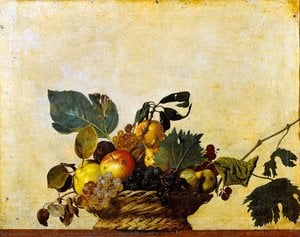
Oil On CanvasWallArtBaroque
 1600Early Modern
 237.0 x 189.0 cm
博物馆级艺术微喷或帆布版画,制作高效,并提供多种饰面选择。 ( 购买手绘画作 切换至数字图像销售渠道)





























从与原作比例一致的预设尺寸中进行选择。

您可以输入自定义尺寸,以适配特定的画框或空间。如果您选择的尺寸与原图比例不符,我们将对作品进行裁剪,或通过镜像填充/纯色填充边缘的方式来扩展图像。在开始制作之前,我们会向您发送一份数字效果图供您确认。
请注意,屏幕上的预览并不能反映实际的裁剪或扩展效果。只有效果图才能准确展示最终的构图。
虽然我们提供定制尺寸,但为了保持原图比例,我们建议您从预设列表中选择尺寸。

Conversion of Saint Paul
复制品尺寸
Caravaggio's "Conversion of Saint Paul," painted in 1600, stands as a pivotal work within the Baroque art movement and a testament to Michelangelo Merisi da Caravaggio’s revolutionary approach to religious painting. This oil on canvas masterpiece, measuring 237 x 189 cm, captures a moment of profound spiritual transformation with dramatic intensity and unparalleled realism.
The artwork vividly portrays the biblical event where Saint Paul, formerly known as Saul, experiences a divine encounter on his journey to Damascus. While traveling to persecute Christians, he is struck by a blinding light and hears the voice of Jesus Christ. The painting freezes this pivotal moment: Paul dramatically falls from his horse (though the horse itself is partially obscured), while another figure kneels beside him in apparent shock or prayer. This composition immediately draws the viewer into the heart of the event, emphasizing the suddenness and power of the divine intervention.
Caravaggio’s signature style shines through in "Conversion of Saint Paul." The most striking element is his masterful use of *chiaroscuro* – a technique employing stark contrasts between light and shadow. A single, intense beam of light illuminates Paul's face and upper body, highlighting the raw emotion and physical impact of the experience. This dramatic lighting not only creates visual drama but also directs the viewer’s gaze to the central figure, emphasizing his spiritual awakening. The figures themselves are rendered with remarkable realism; Caravaggio eschewed idealized forms, instead depicting them with palpable musculature and realistic textures, a departure from the more stylized depictions common in earlier Renaissance art. His use of tenebrism – an even more extreme form of chiaroscuro where darkness dominates – further intensifies the emotional impact.
Painted during a period when Caravaggio was rapidly gaining recognition, "Conversion of Saint Paul" reflects the broader artistic trends of the Baroque era. This movement emphasized drama, emotion, and grandeur, often employing theatrical lighting and dynamic compositions to engage viewers on an emotional level. The painting’s subject matter – the conversion of a persecutor into one of Christianity's most fervent apostles – held significant religious importance during the Counter-Reformation, a period when the Catholic Church sought to reaffirm its doctrines and inspire renewed faith. Symbolically, the light represents divine grace and revelation, while Paul's fall signifies his humbling and surrender to God’s will. The inclusion of the horse, though not explicitly mentioned in all biblical accounts, reinforces Paul’s status as a Roman official and underscores the abruptness of his transformation.
"Conversion of Saint Paul" evokes a powerful sense of awe, vulnerability, and spiritual awakening. The raw emotion etched on Paul's face, combined with the dramatic lighting and dynamic composition, creates an unforgettable visual experience. Despite periods of fluctuating popularity after Caravaggio’s death, his influence on Western art remains undeniable. His innovative use of light and shadow continues to inspire contemporary artists, and "Conversion of Saint Paul" stands as a timeless example of Baroque painting's ability to capture human emotion and drama with unparalleled intensity.


1571 - 1610 , 西班牙

Explore the profound mastery of Caravaggio's tenebrism. Discover how his dramatic use of chiaroscuro revolutionized Baroque art through intense emotion and realism. An expert guide for classic art enthusiasts seeking to understand the power of shadow in historical masterpieces.
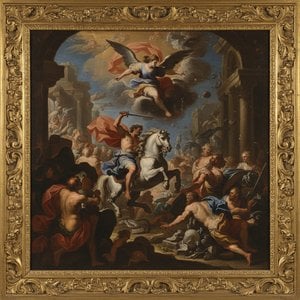
Explore the breathtaking power of Baroque art. Delve into the dramatic interplay of light, shadow, and motion through the works of masters like Caravaggio. Discover how the era's intense emotional realism continues to inspire collectors and connoisseurs of classical grandeur.

Embark on a sophisticated journey through Italian Baroque art. Discover the dramatic interplay of light and emotion in Caravaggio’s masterpieces and explore how to bring this timeless grandeur into your collection with expert art insights.

Discover the profound emotional power of Baroque painting. Explore the mastery of chiaroscuro, the realism of Caravaggio, and the dramatic interplay of light and shadow in this expert guide for classical art enthusiasts and collectors.


 效果预览
效果预览
 分享
分享 分享
分享
 详情
详情

 下载
下载
 相似作品
相似作品 X射线
X射线 幻灯片播放
幻灯片播放 统计数据
统计数据 展开详情
展开详情









 玻璃选项仅适用于110厘米以下的尺寸。