x


从与原作比例一致的预设尺寸中进行选择。

您可以输入自定义尺寸,以适配特定的画框或空间。如果您选择的尺寸与原图比例不符,我们将对作品进行裁剪,或通过镜像填充/纯色填充边缘的方式来扩展图像。在开始制作之前,我们会向您发送一份数字效果图供您确认。
请注意,屏幕上的预览并不能反映实际的裁剪或扩展效果。只有效果图才能准确展示最终的构图。
虽然我们提供定制尺寸,但为了保持原图比例,我们建议您从预设列表中选择尺寸。

Walnut Tree in Spring
复制品尺寸
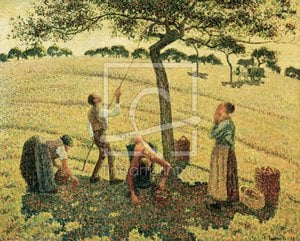
Camille Pissarro’s "Walnut Tree in Spring," painted in 1894, is more than just a depiction of nature; it's an embodiment of the Impressionist movement's core principles. This oil on canvas captures a fleeting moment – the vibrant renewal of spring centered around a majestic walnut tree. The painting resides within the E. G. Buhrle Collection Museum in Switzerland and exemplifies Pissarro’s skill in translating sensory experience into visual form.
Pissarro, often considered the "dean" of the Impressionists by art historian John Rewald, consistently championed a style that prioritized capturing the ephemeral qualities of light and atmosphere. Unlike earlier artistic movements focused on meticulous detail and historical narratives, Impressionism sought to portray the subjective experience of seeing – the way light transforms color and shapes in an instant. “Walnut Tree in Spring” perfectly illustrates this approach. The visible brushstrokes, rather than being concealed, become part of the artwork's character, contributing to a sense of movement and spontaneity. This painting is a prime example of how Pissarro moved between Impressionism and Neo-Impressionism, experimenting with color theory and pointillist techniques while retaining his signature atmospheric style.
The composition centers on the large walnut tree, its branches reaching towards a softly rendered sky. The surrounding landscape is depicted with rolling hills and patches of vibrant green grass dotted with nascent leaves. Pissarro masterfully uses light to create depth and dimensionality within the scene. Notice how the sunlight filters through the tree's canopy, casting dappled shadows on the ground below. This interplay of light and shadow isn’t merely representational; it evokes a feeling of warmth and tranquility. The color palette is dominated by greens and yellows, reflecting the vibrancy of springtime foliage, but subtle touches of blue and pink in the sky add to the overall sense of serenity. The flattened perspective, characteristic of Impressionism, draws attention to the immediate sensory experience rather than creating a deep illusion of space.
Beyond its aesthetic beauty, "Walnut Tree in Spring" carries symbolic weight. The walnut tree itself represents strength, longevity, and a connection to the earth – enduring symbols across various cultures. Its presence anchors the composition and provides a sense of stability amidst the fleeting nature of springtime. The painting evokes feelings of nostalgia, peace, and renewal. It invites viewers to pause and appreciate the simple beauty of the natural world, reflecting Pissarro’s lifelong dedication to portraying everyday scenes with profound sensitivity. The inclusion of a figure beneath the tree subtly suggests human interaction with nature, further enriching the narrative.
Camille Pissarro’s impact on art history is undeniable. He mentored numerous artists, including Paul Cézanne and Vincent van Gogh, influencing their artistic development. His commitment to capturing the essence of rural life and his innovative use of light and color established him as a pivotal figure in both Impressionism and Post-Impressionism. "Walnut Tree in Spring" stands as a testament to Pissarro’s enduring legacy – a celebration of nature's beauty and a masterful demonstration of the Impressionist aesthetic.

1830 - 1903 , 法国

Discover the luminous world of Camille Pissarro. Explore how this Impressionist master captured light and rural life through evocative landscapes, from Pontoise to Eragny, and learn about his enduring legacy in art history.

Discover the ethereal beauty of Jean-Baptiste-Camille Corot. Explore how this master of light bridged Neoclassicism and Impressionism through his atmospheric landscapes, capturing the timeless essence of the French countryside with unparalleled poetic brilliance.


第一时间获取最新的艺术新闻、独家优惠及装饰灵感。
向我们介绍您的项目需求,我们的艺术专家将为您提供 3 个个性化的艺术品推荐。
由我们的专家为您精选 3 款心仪之作 —— 完全免费!


 效果预览
效果预览
 购买手绘画作
 分享
分享 分享
分享
 详情
详情

 下载
下载
 相似作品
相似作品 X射线
X射线 幻灯片播放
幻灯片播放

 展开详情
展开详情






































 玻璃选项仅适用于110厘米以下的尺寸。