博物馆级艺术微喷或帆布版画,制作高效,并提供多种饰面选择。 ( 购买手绘画作 切换至数字图像销售渠道)





























从与原作比例一致的预设尺寸中进行选择。

您可以输入自定义尺寸,以适配特定的画框或空间。如果您选择的尺寸与原图比例不符,我们将对作品进行裁剪,或通过镜像填充/纯色填充边缘的方式来扩展图像。在开始制作之前,我们会向您发送一份数字效果图供您确认。
请注意,屏幕上的预览并不能反映实际的裁剪或扩展效果。只有效果图才能准确展示最终的构图。
虽然我们提供定制尺寸,但为了保持原图比例,我们建议您从预设列表中选择尺寸。

The Siesta
复制品尺寸
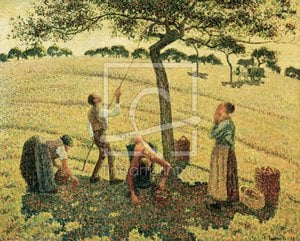
Camille Pissarro’s “The Siesta,” painted in 1899, is more than just a depiction of rural life; it's an embodiment of Impressionism's core principles – capturing fleeting moments and the ephemeral effects of light. This oil on canvas transports viewers to a serene countryside setting, inviting contemplation and appreciation for the simple pleasures of rest and nature.
The painting’s composition is carefully orchestrated to evoke a sense of peace and tranquility. The focal point is undoubtedly the large haystack dominating the foreground, providing both scale and grounding to the scene. A woman rests languidly beneath its shade, while other figures are scattered throughout, suggesting a community engaged in quiet leisure. A basket nearby hints at the harvest season and the bounty of nature. Pissarro’s masterful use of loose brushstrokes is characteristic of Impressionism. He doesn't meticulously define edges or details; instead, he uses broken color and visible strokes to capture the play of light on surfaces. The background, featuring trees and a distant house, recedes into a hazy atmosphere, further enhancing the sense of depth and distance. The colors are vibrant yet harmonious – yellows and browns dominate the haystack, contrasting with the greens and blues of the foliage and sky. This technique creates a dynamic interplay of color and light, giving the painting a lively and almost shimmering quality.
“The Siesta” was created during a period when artists were increasingly drawn to depicting everyday life and rural landscapes. Pissarro, a pivotal figure in the development of Impressionism, consistently championed scenes of working-class people and the beauty of the countryside. This painting reflects a broader social consciousness prevalent in late 19th-century France, where there was growing interest in portraying the lives of ordinary individuals with dignity and respect. Furthermore, Pissarro’s commitment to “en plein air” (painting outdoors) aligns perfectly with Impressionism's goal of capturing the fleeting effects of light and atmosphere – a direct challenge to the more formal and studio-bound traditions of academic painting.
Beyond its aesthetic appeal, “The Siesta” carries symbolic weight. The haystack itself represents harvest and abundance, signifying the fruits of labor. The resting woman embodies a moment of respite from toil, suggesting themes of leisure and rejuvenation. The overall atmosphere evokes a sense of tranquility and connection with nature – a reminder to appreciate the simple pleasures in life. Pissarro’s skillful rendering of light and shadow creates an emotional resonance that invites viewers to step into this idyllic scene and experience its peacefulness firsthand. The painting isn't merely about depicting a moment; it's about conveying a feeling—a sense of calm, contentment, and the beauty of everyday existence.
Camille Pissarro (1830-1903), born in Charlotte Amalie, St. Thomas, was a Danish-French artist of Portuguese Jewish descent and is celebrated as one of the most consistent and influential figures in Impressionism. He mentored many younger artists, including Vincent van Gogh and Paul Cézanne, and his innovative techniques helped shape the course of modern art. His dedication to depicting rural life and capturing the fleeting effects of light established him as a master of his craft. Other notable works by Pissarro include "Portrait of Paulemile" and "Jeanne Reading," showcasing his versatility and enduring artistic vision.

1830 - 1903 , 法国

Discover the luminous world of Camille Pissarro. Explore how this Impressionist master captured light and rural life through evocative landscapes, from Pontoise to Eragny, and learn about his enduring legacy in art history.

Master the nuances of Impressionism vs. Post-Impressionism with our expert guide. Explore the revolutionary shift from Monet’s fleeting light to Van Gogh’s emotional depth. Discover how these iconic movements continue to inspire fine art collectors and modern interiors today.


 效果预览
效果预览
 分享
分享 分享
分享
 详情
详情

 下载
下载
 相似作品
相似作品 X射线
X射线 幻灯片播放
幻灯片播放 统计数据
统计数据

 展开详情
展开详情









 玻璃选项仅适用于110厘米以下的尺寸。