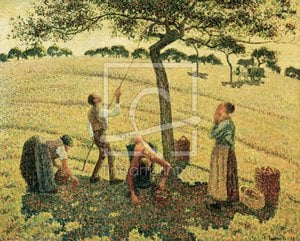
博物馆级艺术微喷或帆布版画,制作高效,并提供多种饰面选择。 ( 购买手绘画作 切换至数字图像销售渠道)
从与原作比例一致的预设尺寸中进行选择。

您可以输入自定义尺寸,以适配特定的画框或空间。如果您选择的尺寸与原图比例不符,我们将对作品进行裁剪,或通过镜像填充/纯色填充边缘的方式来扩展图像。在开始制作之前,我们会向您发送一份数字效果图供您确认。
请注意,屏幕上的预览并不能反映实际的裁剪或扩展效果。只有效果图才能准确展示最终的构图。
虽然我们提供定制尺寸,但为了保持原图比例,我们建议您从预设列表中选择尺寸。

Still Life
复制品尺寸
Camille Pissarro’s “Still Life,” painted in 1867, offers a captivating glimpse into the quiet beauty of everyday life. This work transcends a simple depiction of objects; it's an exploration of texture, light, and the emotional resonance found within the commonplace. The scene unfolds against a backdrop of ochre wall paneling, creating a warm and inviting atmosphere. A horizontal band of dark brown adds depth and contrast, framing the carefully arranged still life on a white tablecloth.
The painting presents a harmonious arrangement of familiar objects: a ceramic bowl containing ham, a knife, apples, half a loaf of bread, a glass carafe, and a goblet partially filled with red wine. Pissarro deliberately chose these elements—simple, readily available items—to focus attention on the *way* he depicted them rather than the novelty of the subject itself, as he famously stated, "Don’t bother trying to look for something new: you won’t find novelty in the subject matter, but in the way you express it.” The composition is balanced and rhythmic. The hanging spoon and ladle create a visual counterpoint to the objects on the table, drawing the eye across the canvas. The overlapping forms contribute to a sense of depth without relying on traditional perspective techniques.
Pissarro’s technique in “Still Life” is particularly noteworthy. He masterfully combines different approaches, creating a vibrant surface full of visual energy. Boldly applied paint with smooth, flat surfaces contrasts with areas of sculpted impasto – thickly built-up strokes that add texture and dimension. The use of the palette knife is evident in these textured sections, while delicate brushwork can be observed on elements like the wine glass, demonstrating Pissarro’s versatility. This deliberate juxtaposition of techniques results in a dynamic interplay of light and shadow, enhancing the painting's emotional impact. The style leans towards Post-Impressionism, moving beyond purely representational art to emphasize subjective expression and formal qualities.
Painted during a period of significant artistic transition, “Still Life” reflects the burgeoning interest in depicting everyday life that characterized 19th-century French art. Pissarro, though associated with Impressionism later in his career, this earlier work demonstrates influences from Realism and Post-Impressionism. The painting’s symbolism is subtle but present. Still lifes often represent abundance, nourishment, and the simple pleasures of domesticity. In Pissarro's hands, these symbols are infused with a sense of quiet contentment and appreciation for the beauty found in ordinary moments.
“Still Life” evokes a feeling of warmth, tranquility, and understated elegance. The earthy color palette—ochres, browns, and reds—contributes to this sense of rustic charm. The visible brushstrokes and textured surfaces invite the viewer to engage with the painting on a tactile level, creating an intimate connection between the artwork and the observer. This piece exemplifies Pissarro’s ability to transform commonplace subjects into compelling works of art, solidifying his place as a pivotal figure in the development of modern art.

1830 - 1903 , 法国

Master the nuances of Impressionism vs. Post-Impressionism with our expert guide. Explore the revolutionary shift from Monet’s fleeting light to Van Gogh’s emotional depth. Discover how these iconic movements continue to inspire fine art collectors and modern interiors today.

Explore the profound beauty of fruit arrangement masterpieces. From Dutch Golden Age opulence to Baroque chiaroscuro, discover the art history, symbolism, and timeless elegance of classical still life paintings for the discerning collector.

Explore the transformative era of Post-Impressionism. Discover how masters like Cézanne and Matisse revolutionized color and form, moving beyond Impressionism to shape modern art history through structural innovation and expressive emotion.
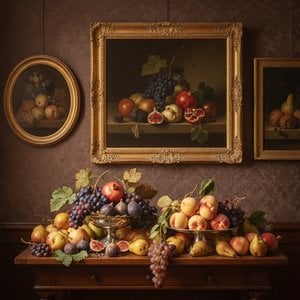
Discover the profound beauty of fruit still life paintings. Explore the rich symbolism, Baroque mastery, and timeless allure of nature's bounty through an art-historical lens, perfect for collectors and enthusiasts of classical fine art.

Discover the luminous world of Camille Pissarro. Explore how this Impressionist master captured light and rural life through evocative landscapes, from Pontoise to Eragny, and learn about his enduring legacy in art history.


 效果预览
效果预览
 分享
分享 分享
分享
 详情
详情 指南
指南

 下载
下载
 相似作品
相似作品 X射线
X射线 幻灯片播放
幻灯片播放 统计数据
统计数据


 展开详情
展开详情






































 玻璃选项仅适用于110厘米以下的尺寸。