由我们的艺术家按需定制,为您提供您所选尺寸及画框的布面手工油画。 ( 切换至版画销售渠道 切换至数字图像销售渠道)





























从与原作比例一致的预设尺寸中进行选择。

您可以输入自定义尺寸,以适配特定的画框或空间。如果所选尺寸与原图比例不符,我们将通过裁剪作品或添加手绘元素来扩展画面。数字样稿将在制作开始前发送给您确认。
请注意,屏幕预览无法准确反映实际的裁剪或扩展效果,只有样稿才能真实呈现最终的构图。
虽然我们提供定制尺寸服务,但为了保留原作比例,建议您从预设列表中选择尺寸。

John Moore
复制品尺寸
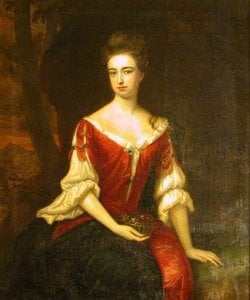
In the quiet dignity of Sir Godfrey Kneller’s portrait of John Moore, we find more than just a likeness; we encounter a window into the refined elegance of the early eighteenth century. Painted in 1705, this work serves as a profound testament to the era of the Restoration and the burgeoning sophistication of Georgian Britain. The subject, John Moore, is presented with a commanding yet intimate presence, his gaze meeting the viewer with an unwavering directness that bridges the centuries. As he sits poised in his chair, the subtle details of his attire—the crisp, long white collar and the somber, structured black vest—speak volumes of a man of status, embodying the formal decorum that defined the upper echelons of society during Kneller's prolific career.
The composition is masterfully orchestrated to draw the eye toward Moore’s countenance, yet it does not leave the viewer in isolation. The presence of secondary figures in the periphery adds a layer of narrative depth, suggesting a social milieu filled with movement and connection. This arrangement creates a sense of lived experience, as if we have stumbled upon a private moment within a bustling aristocratic estate. For the discerning collector or interior designer, such a piece offers an unparalleled opportunity to introduce a sense of historical weight and classical poise to a contemporary space, acting as a focal point that commands respect and invites contemplation.
To understand the allure of this portrait, one must delve into the technical brilliance of Sir Godfrey Kneller, a painter whose name became synonymous with the English Baroque. Kneller was a virtuoso of chiaroscuro, utilizing the dramatic interplay between light and shadow to sculpt the features of his subjects with remarkable three-dimensionality. In this depiction of Moore, the light does not merely illuminate; it breathes life into the textures of the fabric and the subtle contours of the face. By employing techniques such as grisaille—the application of delicate white pigments over darker underpaintings—Kneller achieved a luminous quality that makes the highlights on the collar and skin appear to glow from within.
This meticulous approach to light serves a dual purpose: it provides a hyper-realistic texture that satisfies the eye, and it imbues the portrait with a psychological depth. The shadows are not merely absences of light but are used to suggest the gravity and character of the man portrayed. This interplay creates an emotional resonance, evoking a sense of nostalgia for a lost age of refinement. For those seeking to adorn a room with art that possesses both substance and soul, Kneller’s ability to capture the very essence of his subject through technical precision offers a timeless aesthetic appeal that transcends mere decoration.
The historical significance of this work is inextricably linked to Kneller's role as the preeminent portraitist of his age. As the court painter to successive monarchs, including Charles II and George I, Kneller shaped the visual identity of a nation. His "Kit-Cat" portraits and individual commissions like that of John Moore were instrumental in documenting the power structures and cultural aspirations of the British elite. To possess a reproduction of such a work is to hold a piece of art history—a fragment of the era when the visual landscape of Britain was being redefined by the brushstrokes of a master.
Beyond its historical value, the portrait offers a profound emotional impact. It evokes a sense of permanence and stability in an ever-changing world. The dignified posture of Moore and the classical balance of the composition provide a calming, sophisticated energy to any setting, whether it be a formal library, a stately dining room, or a modern gallery space. It is an investment in atmosphere, bringing the prestige of the Baroque period into the heart of the modern home, and ensuring that the elegance of 1705 continues to inspire generations to come.


1646 - 1723

深入探索巴洛克艺术的辉煌历史、独特风格与持久影响。了解卡拉瓦乔、贝尼尼等大师的作品,洞悉反宗教改革运动下的艺术变革。WahooArt.com为您提供专业的艺术解读与高清画作欣赏。

Explore the life & work of Sir Godfrey Kneller, leading portraitist of Restoration England. Discover his Baroque style, influence on aristocratic society, and lasting legacy in English art history. Learn about Kit-Cat portraits & more!
Explore the profound elegance of Baroque Classicism. Discover how 17th-century masters synthesized dramatic emotion with classical order through the lens of the Counter-Reformation and the works of legends like Carlo Maratta and Andrea Sacchi.

探索巴洛克艺术的辉煌与奢华!WahooArt提供精湛的手工油画复制、定制服务和专业艺术咨询,助您将经典作品融入当代室内设计,提升家居品味。投资艺术,传承价值。
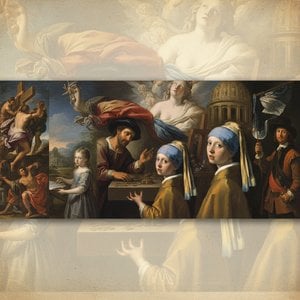
探索巴洛克艺术的辉煌!本文精选十部巨作,带您领略卡拉瓦乔、伦勃朗等大师的光影魔法与戏剧张力。从黄金时代到宗教绘画,感受奢华与精致。WahooArt.com为您提供博物馆品质的艺术复制品和家居装饰灵感。尽在WahooArt.com!


 效果预览
效果预览
 分享
分享 分享
分享
 详情
详情 指南
指南

 下载
下载
 相似作品
相似作品 X射线
X射线 幻灯片播放
幻灯片播放 统计数据
统计数据


 展开详情
展开详情









 玻璃选项仅适用于110厘米以下的尺寸。