实景预览 AR 预览 切换至版画销售渠道 订购纯手工绘制画作 分享
详情 指南 加入收藏 下载作品 相似作品 X射线 幻灯片播放 问答 统计数据

Orange Blocks

尺寸
46.0 x 46.0 cm

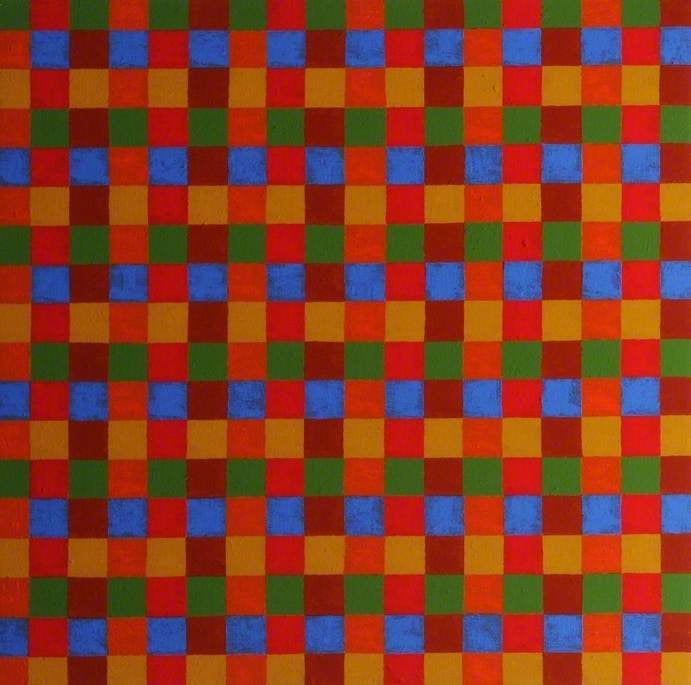
A vibrant explosion of colorful checkered patterns defines this captivating abstract painting by Bob Brighton, offering a dynamic rhythmic display of geometric squares that invites you to bring energy into your home.

Explore the captivating world of Bob Brighton’s geometric squares & abstract art. Discover his iconic style – a unique blend of color, form, & visual rhythm. See his work!

获取远超网页预览效果的印刷级文件。我们销售的每一张数字图像均源自库存数据库中的高分辨率母版——宽度通常在 5,000 至 15,000 像素之间——因此您可以放心地进行大幅打印、局部裁剪或还原细腻的细节。

每一件作品在离开我们的工作室前都经过了精心的处理。数字影像专家会对照原作核对色彩,并在必要时进行校正,随后利用专业修图工具提升清晰度与细节表现——且始终忠实于艺术家的笔触与风格。最终呈现的图像宛如原作本身,而非仅仅是一张加了滤镜的扫描件。

您可以在最终定稿前进行审核:我们的专家将在 72 小时内通过电子邮件向您发送图像以供审阅。如果不满意?您可以要求改进或修正;若质量未达预期,亦可申请退款。

这也是出版商、设计工作室、画廊及印刷厂所信赖的品质。

数字图像

下载高分辨率文件,用于个人展示、打印及创意项目。 ( 切换至版画销售渠道 订购纯手工绘制画作)

最终价格

¥ 167.19

每份数字图像订单均包含的内容

专业级数字交付,品质保障

选择 WahooArt.com,您获得的不仅仅是一张图像——您收到的是经过专业级增强、精雕细琢的数字艺术作品,并享有满意保证。以下是您的订单中自动包含的所有内容:

邮件即时送达

您的高分辨率数字图像文件将在下单后 72 小时内通过电子邮件发送给您 —— 即可立即使用。

AI 增强型数字文件

您的艺术品经过专业优化,结合先进的 AI 技术与人工修饰,确保呈现极致的细节、清晰度与色彩准确度。

终身免费重发服务

不小心删除了文件或找不到了?没关系——我们将随时为您免费重发。

无需进口税费,始终如一

即刻拥有您的艺术作品,无需支付任何关税、税费或运费——数字下载始终免税。

色彩精准保障

我们通过专业工具与色彩管理技术,确保您的数字图像尽可能真实地还原原作色彩。

100天满意保证

如果您对所购数字图像不满意,我们将在100天内为您进行修改或提供100%的全额退款——无需任何理由。

100% 退款保证

不满意?在收到数字文件后的100天内,您可以申请全额退款——无需任何理由。

批量订购优惠

购买 3 张享 10% 折扣 - 购买 5 张享 15% 折扣 - 购买 10 张以上享 20% 折扣。非常适合创意项目、画廊及机构使用。

作品详情

  • Dimensions: 46 x 46 cm
  • Artist: Bob Brighton
  • Notable elements or techniques: Colorful checkered pattern, varied shapes
  • Title: Orange Blocks

A Symphony of Geometry: The Vibrant World of Orange Blocks

In the realm of abstract expressionism, few artists possess the ability to transform simple geometric shapes into a rhythmic dance of light and color as masterfully as Bob Brighton. His work, Orange Blocks, serves as a breathtaking testament to his lifelong pursuit of visual order and chromatic harmony. Created in 2009, this piece is not merely a collection of squares; it is a meticulously composed mosaic that invites the viewer into a playground of pure sensation. The painting presents a vibrant checkered pattern where red, yellow, blue, green, and orange squares intersect, creating a kaleidoscopic effect that feels both structured and infinitely energetic. Each square varies slightly in size and placement, a deliberate technique that breathes life into the composition, preventing the pattern from becoming static and instead imbuing it with a sense of organic movement.

The soul of this artwork lies in its profound connection to Brighton’s unique history. Having been trained in the disciplined craft of carpentry, Brighton brought an architect's eye for structure and a craftsman's respect for precision to his canvas. This foundational understanding of form allows him to manipulate the weight and balance of each color block with unparalleled skill. In Orange Blocks, the interplay between the warm, sun-drenched oranges and yellows against the grounding presence of deep blues and greens creates a tension that is both stimulating and soothing. The technique suggests a deliberate layering of pigment, where the edges of the shapes feel crisp yet integrated into a singular, cohesive rhythm, much like the interlocking pieces of a finely crafted wooden mosaic.

For the discerning collector or interior designer, Orange Blocks offers more than just aesthetic pleasure; it provides a focal point of transformative energy. The painting’s ability to command attention through its high-contrast palette makes it an ideal centerpiece for modern, minimalist, or eclectic spaces. It possesses a rare emotional versatility—it can act as a burst of joy in a bright, sunlit room or provide a sophisticated layer of complexity within a more muted, contemporary setting. To possess a reproduction of this work is to bring a piece of Brighton’s "geometric soul" into one's home, offering a permanent window into a world where chaos is conquered by color and every shape tells a story of balance, light, and enduring beauty.

常见问题与解答

如何下载 Bob Brighton 的《Orange Blocks》 的图片?

您可以在作品的下载数字图像页面下载Bob Brighton 的《Orange Blocks》的数字图像:高分辨率数字图像下载。

Bob Brighton 的《Orange Blocks》 的色彩和谐度如何?

Bob Brighton 的《Orange Blocks》 的色彩呈现出一种 Balanced Harmony 的和谐感。这种和谐感描述了色彩之间的相互关系。

Bob Brighton 的《Orange Blocks》 的对比度有多强?

"Orange Blocks" 的明暗对比度记录为 Serene。对比度描述了亮部与暗部之间的差异强度。


艺术家简介

The Geometric Soul of Bob Brighton

Bob Brighton, a name now synonymous with the captivating world of geometric squares and abstract color fields, wasn’t initially destined for the art world. Born in 1936 in Hastings, East Sussex, his early life was rooted in the practicalities of carpentry – a trade he learned from his father, a skilled craftsman. This foundational experience, working with wood and understanding its inherent structure, would profoundly influence his later artistic explorations. Brighton’s journey into art began somewhat unexpectedly, driven by a desire to create order out of chaos, a need to impose visual rhythm on the seemingly random. He initially experimented with collage techniques, but it wasn't until he discovered the power of simple geometric forms – primarily squares – that his unique style truly emerged. This shift represents a deliberate move away from representational art and towards an intensely focused exploration of color, shape, and composition.

Early Influences and Artistic Evolution

Brighton’s artistic development wasn't entirely solitary; he drew inspiration from a diverse range of sources. The reductive aesthetic of Piet Mondrian, with its emphasis on primary colors and orthogonal lines, undoubtedly played a significant role in shaping his approach to composition. However, Brighton’s work transcends mere mimicry. He developed a distinctly personal vocabulary within this framework, prioritizing the interplay of color and the dynamic tension between positive and negative space. The influence of Josef Albers' "Homage to the Square" is also evident – Albers’ exploration of how colors interact when placed adjacent to each other served as a crucial guide for Brighton, demonstrating that the meaning of a color isn’t inherent but rather emerges from its relationship with others. Furthermore, his background in carpentry instilled an appreciation for structure and precision, which he translated into the deliberate arrangement of his squares. Early works often featured muted palettes and subtle variations in tone, gradually evolving towards bolder, more saturated colors as his style matured.

The Rise of the Squares: Technique and Process

Brighton’s technique was remarkably consistent yet subtly nuanced. He typically began with a large sheet of paper – often watercolor paper – and would meticulously draw a grid of squares using a ruler and pencil. The size, spacing, and orientation of these squares were determined intuitively, reflecting his subconscious state at the time. He then applied acrylic paint directly to the surface, building up layers of color through a process of controlled layering and blending. Crucially, he avoided brushes, preferring instead to use sponges, rags, and other tools to manipulate the paint and create textures and variations in tone. This hands-on approach resulted in a tactile quality to his work – a sense that the paintings are not merely flat surfaces but rather three-dimensional entities. The repetition of squares creates a mesmerizing visual rhythm, while the subtle shifts in color and value maintain a dynamic tension within each composition. His process was deeply meditative; he often worked for extended periods, losing himself in the act of creation.

Themes and Interpretations

While Brighton resisted offering definitive interpretations of his work, it’s clear that his paintings explore fundamental concepts such as order, chaos, balance, and harmony. The squares themselves can be seen as symbols of stability and structure, while the vibrant colors evoke a sense of energy and vitality. Critics have noted parallels between his work and Zen Buddhist philosophy, suggesting that he sought to capture the essence of emptiness – the space between things – through the repetition of simple forms. The paintings are not about depicting anything specific but rather about creating an experience—a visual meditation for the viewer. The seemingly random arrangement of squares can be interpreted as a reflection of the complexities and uncertainties of life, while the bold colors represent the potential for joy and beauty.

Legacy and Recognition

Bob Brighton’s work gained significant recognition in the late 1980s and early 1990s, establishing him as a leading figure in British abstract art. His paintings have been exhibited widely throughout the UK and internationally, and are held in numerous public collections, including those of the Tate Gallery, Sheffield City Council, and Brighton & Hove Museums. He continued to paint until his death in 2017, consistently refining his style and exploring new approaches to color and composition. Despite eschewing overt self-promotion, Brighton’s influence on contemporary abstract artists is undeniable. His dedication to simplicity, his masterful control of color, and his profound understanding of visual rhythm have left an enduring legacy—a testament to the power of geometric abstraction to evoke emotion and stimulate contemplation. His work remains a vibrant reminder that beauty can be found in the most unexpected places, even within the repetition of squares.
Bob Brighton

Bob Brighton

1936 - 2017

基本信息

  • Artistic Movement Or Style: Geometric squares
  • Artists Or Movements Influenced By This Artist: ['None known']
  • Artists Who Influenced This Artist:
    • Minimalist Art
    • Color Field Painting
  • Date Of Birth: 1936
  • Date Of Death: 2017
  • Full Name: Bob Brighton
  • Nationality: British
  • Notable Artworks:
    • Four
    • Purple Squares
    • Yellow Blue 1
    • Small Squares 1
  • Place Of Birth: WahooArt, UK