
 GlassSculpture
 1900Modern
 72.0 x 58.0 cm
 National Museum of Ethnology
博物馆级艺术微喷或帆布版画,制作高效,并提供多种饰面选择。 ( 购买手绘画作 切换至数字图像销售渠道)
从与原作比例一致的预设尺寸中进行选择。

您可以输入自定义尺寸,以适配特定的画框或空间。如果您选择的尺寸与原图比例不符,我们将对作品进行裁剪,或通过镜像填充/纯色填充边缘的方式来扩展图像。在开始制作之前,我们会向您发送一份数字效果图供您确认。
请注意,屏幕上的预览并不能反映实际的裁剪或扩展效果。只有效果图才能准确展示最终的构图。
虽然我们提供定制尺寸,但为了保持原图比例,我们建议您从预设列表中选择尺寸。

Under the olive tree
复制品尺寸
In the delicate interplay of light and pigment, "Under the olive tree" emerges as a breathtaking window into a bygone era of Portuguese pastoral charm. Painted by the versatile Bernardo Loureiro Marques, this exquisite work on glass transcends mere decoration, offering instead a lush, immersive experience. The composition centers on a tender moment: a woman seated peacefully beneath the silver-green canopy of an ancient olive tree, while a man stands sentinel behind her. They are enveloped in a vibrant tapestry of flora and fauna, where every petal and leaf seems to pulse with life. This is not merely a landscape; it is a choreographed dance of nature and humanity, where the background figures—lost in quiet conversation or gentle leisure—add layers of social depth, suggesting a communal harmony that feels both timeless and deeply nostalgic.
The technique employed by Marques is nothing short of masterful. By utilizing glass as his canvas, the artist achieves a luminous translucency that traditional oil on canvas often struggles to replicate. This medium allows light to penetrate the pigment, giving the lush greenery and floral accents an inner glow that mimics the dapp-lit reality of a Mediterranean afternoon. The style reflects a sophisticated blend of decorative grace and poetic realism. While Marques was known for his sharp, satirical caricatures, here he embraces a softer, more lyrical approach. The brushwork is fluid yet precise, creating a sense of movement within the foliage that invites the viewer to linger, searching for the subtle details hidden within the shadows of the olive branches.
To behold this painting is to touch a piece of Portuguese history. Created around 1900, the work belongs to a larger, ambitious set of twelve panels that were once intended to showcase the beauty of Portuguese folk art on an international stage. The historical context is deeply intertwined with the political and cultural movements of the early 20th century in Portugal, specifically linked to the era of the Secretariado de Propaganda Nacional (SPN). The presence of a popular quatrain inscribed at the bottom of the composition serves as a poignant connection to the oral traditions and the soul of the Portuguese people. This piece was not merely an aesthetic object but a vessel for national identity, designed to evoke pride and cultural continuity.
For the discerning collector or interior designer, "Under the olive tree" offers more than just visual beauty; it provides a narrative anchor for a room. The painting carries an emotional weight of tranquility and romanticism, making it an ideal centerpiece for spaces designed for reflection or sophisticated entertaining. Whether placed in a sun-drenched morning room to highlight its luminous glass technique or in a formal study to honor its historical significance, a high-quality reproduction of this masterpiece brings with it an aura of cultured elegance. It is an invitation to step away from the frenetic pace of modern life and find solace under the shade of history's most enduring trees.

1898 - 1962 , 葡萄牙
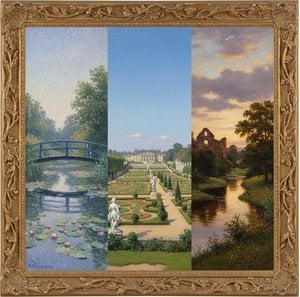
Embark on a visual journey through the serene beauty of gardens and parks in fine art. Discover how master artists capture nature's tranquility through impressionistic blooms and classical landscapes to bring timeless elegance into your home collection.

Embark on a visual journey through the world's most serene parks. Discover how master artists capture light, texture, and tranquility through exquisite oil paintings and botanical landscapes designed for the discerning art enthusiast.
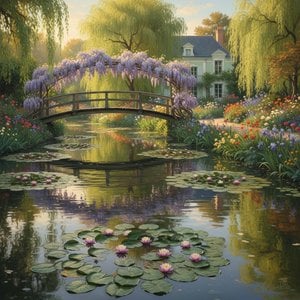
Embark on a visual journey through Claude Monet's Giverny. Discover the enchanting light, vibrant colors, and breathtaking landscapes of his legendary gardens through an expert exploration of Impressionist mastery and timeless beauty.


 分享
分享 分享
分享
 详情
详情

 下载
下载
 相似作品
相似作品 幻灯片播放
幻灯片播放 统计数据
统计数据 展开详情
展开详情






































 玻璃选项仅适用于110厘米以下的尺寸。


![Olive Trees [1889] — 文森特·梵高, Post-impressionism](/media/artworks/images-thumb/e4/68/e4688f7160b2dc16059fc15af708ca73.jpg)


