
博物馆级艺术微喷或帆布版画,制作高效,并提供多种饰面选择。 ( 订购此收藏品的纯手工复刻画作 切换至数字图像销售渠道)





























您可以从与原作比例一致的预设尺寸中进行选择。

您可以输入自定义尺寸,以适配特定的画框或空间。如果您选择的尺寸与原图比例不符,我们将对作品进行裁剪,或通过镜像填充/纯色填充边缘的方式来扩展图像。在开始制作之前,我们会向您发送一份数字效果图供您确认。
请注意,屏幕上的预览并不能反映实际的裁剪或扩展效果。只有效果图才能准确展示最终的构图。
虽然我们提供定制尺寸,但为了保持原图比例,我们建议您从预设列表中选择尺寸。

Salt Cellar (detail) (16)
复刻品尺寸说明
The Kunsthistorisches Museum in Vienna holds within its walls not merely a container for salt, but a miniature drama sculpted in gold and enamel—Benvenuto Cellini’s celebrated “Salt Cellar,” completed in 1543. More than just an exquisite example of Renaissance craftsmanship, this object is a profound meditation on the relationship between land and sea, man and nature, and ultimately, the very essence of human experience. Commissioned by King Francis I of France as a lavish gift for his mistress, Diane de Poitiers, the Salt Cellar quickly transcended its initial purpose to become an icon of Mannerist artistry, captivating viewers with its dynamic composition, intricate detail, and layered symbolism.
Cellini’s genius lies not only in his technical mastery but also in his ability to imbue inanimate objects with narrative. The piece itself is a marvel of goldsmithing—a meticulously crafted oval base supporting two nude figures rendered in smooth, polished gold. These aren't static representations; they are caught mid-gesture, locked in an intimate embrace that speaks volumes about the underlying allegory. The figures, identified as Tellus (Earth) and Neptune (Sea), are not merely depicted but *animated*, their poses suggesting a powerful, almost violent, connection—a merging of opposing forces. Cellini’s meticulous hammering and polishing techniques created surfaces so reflective they seem to shimmer with an inner light, further enhancing the sense of movement and vitality.
Beyond their immediate depiction, Tellus and Neptune are rich with symbolic meaning. Tellus, seated upon a verdant hill adorned with flowers and animals, embodies fertility and abundance—her hand resting on a horn of plenty overflowing with gifts. Her posture suggests nurturing and the cyclical nature of life. Conversely, Neptune, surging towards her, is depicted holding a trident, a symbol of dominion over the sea, but also of its potential for destruction. The inclusion of sea creatures – fish, dolphins, and even a miniature ship – reinforces this duality, highlighting the constant interplay between land and water.
The strategic placement of elements further amplifies the symbolism. A small bowl shaped like a ship rests at Neptune’s feet, representing the trade routes that connected Europe to distant lands—a tangible reminder of the wealth and power derived from maritime exploration. The elephant head emerging from the landscape beside Tellus is particularly intriguing, referencing the exotic spices and goods brought back from Asia – a potent symbol of luxury and foreign influence. The entire composition functions as a visual poem, exploring themes of creation, destruction, abundance, and the interconnectedness of all things.
Cellini’s “Salt Cellar” is a prime example of Mannerist art—a style characterized by its dramatic flair, elongated forms, and heightened emotional intensity. Influenced by classical antiquity, particularly the sculptures discovered in Rome, Cellini sought to capture the dynamism and expressiveness found in Hellenistic works. His use of gold and enamel, techniques perfected during the Renaissance, allowed him to create surfaces that were both visually stunning and remarkably durable. The intricate details—the delicate folds of the drapery, the expressive faces of the figures, the meticulously rendered animals – demonstrate Cellini’s unparalleled skill as a goldsmith.
The creation of this masterpiece was a monumental undertaking, requiring months of painstaking labor and involving a team of skilled artisans. Cellini himself documented the process in his autobiography, *La Vita*, providing invaluable insights into the techniques and challenges involved. The Salt Cellar’s commission by Francis I underscores its significance as a symbol of royal power and patronage—a testament to the artist's ability to satisfy the most demanding tastes.
Despite being stolen from the Kunsthistorisches Museum in 2003, the “Salt Cellar” was eventually recovered, cementing its place as one of the most celebrated works of Renaissance art. Today, it stands as a powerful reminder of the artistic genius of Benvenuto Cellini and the enduring appeal of Mannerist aesthetics. Its intricate details, dynamic composition, and layered symbolism continue to fascinate viewers centuries after its creation. Whether admired for its technical brilliance or its profound philosophical depth, the “Salt Cellar” remains a truly exceptional achievement—a miniature world brimming with beauty, movement, and meaning.

本venuto 切利尼(1500-1571)是意大利文艺复兴时期一位令人叹为观止的人物,他不仅是一位技艺精湛的金匠和雕塑家,更是一位充满传奇色彩的艺术家。他的多才多艺与奔放个性在他的自传中得到了生动展现,这部自传本身就是一部重要的文学作品,与他的艺术成就相媲美。切利尼完美地体现了曼涅里主义精神——一种紧随文艺复兴鼎盛时期而来的风格,以其戏剧化的张力和复杂的表现手法为特征。
切利尼出生于佛罗伦萨一个充满音乐氛围的家庭,他的父亲是一位音乐家和乐器制造者。最初,他展现出对音乐的天赋,但15岁时,他对金匠事业产生了强烈的热情,说服了他起初并不情愿的父亲将他作为学徒介绍给安东尼奥·迪·桑德罗(Marcone)。这标志着他正式艺术生涯的开始。早年的经历并非一帆风顺;16岁时,他卷入了一场与同伴之间的冲突,导致被佛罗伦萨驱逐,并前往锡耶纳在金匠弗拉卡斯托罗门下工作。
切利尼的作品以其精湛的工艺、大胆的设计和对细节的关注而闻名。他从古典古代汲取灵感,并深受米开朗基罗雕塑的影响,但他的作品也融入了独特的曼涅里主义特征——细长的形体、夸张的姿态以及一种戏剧性的表现力。
切利尼的生活远远超出了工坊的范围。他曾作为一名士兵参加围攻战役,声称在保卫罗马对抗帝国军队中发挥了关键作用。他还是一位才华横溢的音乐家,曾在教皇宫廷演奏短号和长笛。然而,真正使他脱颖而出的却是他的自传。
他的自传不仅仅是对事件的回顾;它是一份精心构建的自我肖像,旨在展示他的才华并证明其行为的正当性。尽管有时由于切利尼自身的偏见而不可靠,但它仍然是理解文艺复兴生活的重要一手资料。
本venuto 切利尼于1571年去世于佛罗伦萨,留下了一位意大利文艺复兴时期最重要的艺术家之一的遗产。他的技术技巧、艺术创新和引人入胜的自传继续激励着艺术家和艺术爱好者。他代表了文艺复兴理想——一位精通多门学科、充满雄心壮志且敢于表达个性的全才。他的作品因其美丽、工艺和戏剧性力量而备受赞誉,巩固了他作为西方艺术史上举足轻重的人物地位。

1500 - 1571 , 意大利

Explore the dramatic evolution of Northern Mannerism. Discover how masters like Bosch and Grünewald transitioned from Renaissance harmony to profound, elegant distortion through an expert analysis of symbolism, emotional intensity, and artistic innovation.

Embark on a visual journey through the world's most radiant masterpieces. Discover how gold leaf, impasto textures, and gilded tones define luxury in fine art, from Byzantine icons to modern abstracts. Explore the eternal allure of gold in curated, museum-quality art collections.

Unveil the captivating world of Mannerism. Our expert analysis explores the transition from Renaissance harmony to the profound, elegant distortions of masters like El Greco, offering deep insights into one of art history's most influential and enigmatic eras.
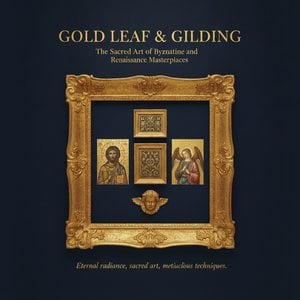
Explore the divine mastery of Byzantine gold leaf and gilding. Discover how ancient artisans used gold ground and mosaics to create celestial light, a timeless legacy of spiritual splendor and technical excellence in sacred art history.


 实景预览
实景预览
 发送
发送 分享
分享
 详情
详情 指南
指南

 下载图片
下载图片
 相似作品
相似作品 X射线
X射线 幻灯片播放
幻灯片播放 统计数据
统计数据


 阅读全文
阅读全文









 玻璃选项仅适用于110厘米以下的尺寸。


