
 Gold LeafSculptureMannerist Gold Smithery
 1540
1540 26.0 x 33.0 cm
 Kunsthistorisches Museum
由我们的艺术家按需定制,为您提供您所选尺寸及画框的布面手工油画。 ( 切换至版画销售渠道 切换至数字图像销售渠道)
您可以从与原作比例一致的预设尺寸中进行选择。

请输入您需要的宽度和高度,以适配您的画框或墙面。由于作品为手工绘制,若您选择不同的尺寸比例,艺术家可能会在画面边缘多画一些或稍作裁剪 —— 由您决定。在开始绘画之前,我们会为您发送一份数字效果图供您确认。本页面上展示的图片并非最终实物 —— 只有效果图才能反映真实结果。
Salt Cellar (8)
复刻品尺寸说明
Benvenuto Cellini's “Salt Cellar” (Saliera), completed in 1543 for King Francis I of France, isn’t merely a container for seasoning; it’s a shimmering embodiment of the Renaissance spirit—a testament to artistic ambition, technical mastery, and the potent symbolism that shaped European courts. More than just a beautiful object, this gold, enamel, and ivory sculpture invites us into a world of mythological allegory, royal power, and the very essence of human creativity. It's a piece that continues to captivate centuries later, offering a glimpse into the opulent heart of 16th-century France.
The story behind the Salt Cellar is as compelling as its appearance. Commissioned during Francis I’s reign, it represents a pivotal moment in Cellini's career – a shift from his established role as a coin maker to one of the most celebrated goldsmiths and sculptors of his time. The celler was originally designed for Cardinal Ippolito d'Este, but after being reworked by Cellini, it became a gift for King Francis I. The piece’s creation coincided with a period of intense artistic patronage in France, fueled by the king’s desire to elevate his court and project an image of unparalleled wealth and sophistication. The celler was intended not just as a functional object but as a powerful symbol of royal authority—a miniature world reflecting the grandeur of the French monarchy.
At first glance, the Salt Cellar appears to be an intricate display of luxurious materials. However, beneath its shimmering surface lies a carefully constructed allegory. The sculpture’s central figures—Neptune, god of the sea, and Ceres, goddess of agriculture—are depicted in a dynamic embrace, reclining on a shell-shaped base. This pairing isn't accidental; it represents the fundamental forces that shaped Renaissance thought: the interplay between nature and civilization, abundance and restraint. Neptune, with his trident and surrounded by marine creatures, embodies the untamed power of the sea – a source of both sustenance and potential danger. Ceres, on the other hand, symbolizes the fertility of the earth, offering a bounty of grain and prosperity. The positioning of these figures—facing each other in a state of apparent conflict yet intertwined—suggests that true harmony can only be achieved through a delicate balance between opposing forces.
Further enriching this symbolic narrative are the details meticulously incorporated into the sculpture’s design. A miniature Ionic temple, representing Ceres' domain, stands at the base, while dolphins and sea horses frolic around Neptune, reinforcing his dominion over the ocean. The use of contrasting materials—the warm glow of gold against the cool sheen of enamel—adds to the visual drama and underscores the thematic tension between earth and sea. Cellini’s mastery lies not only in his technical skill but also in his ability to imbue a seemingly simple object with layers of meaning.
The Salt Cellar is a quintessential example of Mannerism, a style that flourished during the late Renaissance. Characterized by elongated figures, dramatic poses, and an emphasis on elegance and sophistication, Mannerism rejected the idealized forms of High Renaissance art in favor of a more expressive and emotionally charged aesthetic. In this piece, Cellini’s figures are rendered with a heightened sense of dynamism—their limbs stretched and contorted into improbable positions—creating a visual effect that is both captivating and unsettling. The use of perspective and foreshortening adds to the sculpture's dramatic impact, drawing the viewer's eye towards the central figures and immersing them in their world.
Cellini’s innovative techniques are evident throughout the Salt Cellar. He employed a unique method of hammering gold into shape, creating intricate details with remarkable precision. The enamel work is equally impressive—vibrant colors and delicate patterns applied to the surface of the gold, adding depth and richness to the sculpture's overall appearance. The integration of ivory for the temple’s columns further demonstrates Cellini’s versatility as a goldsmith, showcasing his ability to master a wide range of materials and techniques.
Today, the Salt Cellar resides in the Kunsthistorisches Museum in Vienna, where it continues to inspire awe and admiration. Its theft in 2003 brought international attention to its beauty and value, but its subsequent recovery underscored its enduring significance as a masterpiece of Renaissance art. More than just a decorative object, the Salt Cellar represents a pivotal moment in artistic history—a testament to the creativity, ambition, and technical skill of Benvenuto Cellini. It’s a piece that invites us to contemplate the complex relationship between art, power, and symbolism, offering a timeless glimpse into the heart of the Renaissance.
在本韦努托·切利尼已记录的主题——mannerist style, italian renaissance, royal patronage, french court influence, mythological allegory, symbolic meaning, goldsmithing mastery, technical skill——之中,"Salt Cellar (8)" 则将焦点转向了renaissance, goldsmithing, salt cellar, mythology, francis i, benvenuto cellini, mannerism, symbolism。
"Salt Cellar (8)" 在 Mannerist Gold Smithery 运动中蕴含着 Reflective 的情感基调。
本韦努托·切利尼 的《Salt Cellar (8)》 的 X 光视图可在作品的 X射线检测 页面查看:通过十一层光学图层对图像进行交互式深度解析。
本venuto 切利尼(1500-1571)是意大利文艺复兴时期一位令人叹为观止的人物,他不仅是一位技艺精湛的金匠和雕塑家,更是一位充满传奇色彩的艺术家。他的多才多艺与奔放个性在他的自传中得到了生动展现,这部自传本身就是一部重要的文学作品,与他的艺术成就相媲美。切利尼完美地体现了曼涅里主义精神——一种紧随文艺复兴鼎盛时期而来的风格,以其戏剧化的张力和复杂的表现手法为特征。
切利尼出生于佛罗伦萨一个充满音乐氛围的家庭,他的父亲是一位音乐家和乐器制造者。最初,他展现出对音乐的天赋,但15岁时,他对金匠事业产生了强烈的热情,说服了他起初并不情愿的父亲将他作为学徒介绍给安东尼奥·迪·桑德罗(Marcone)。这标志着他正式艺术生涯的开始。早年的经历并非一帆风顺;16岁时,他卷入了一场与同伴之间的冲突,导致被佛罗伦萨驱逐,并前往锡耶纳在金匠弗拉卡斯托罗门下工作。
切利尼的作品以其精湛的工艺、大胆的设计和对细节的关注而闻名。他从古典古代汲取灵感,并深受米开朗基罗雕塑的影响,但他的作品也融入了独特的曼涅里主义特征——细长的形体、夸张的姿态以及一种戏剧性的表现力。
切利尼的生活远远超出了工坊的范围。他曾作为一名士兵参加围攻战役,声称在保卫罗马对抗帝国军队中发挥了关键作用。他还是一位才华横溢的音乐家,曾在教皇宫廷演奏短号和长笛。然而,真正使他脱颖而出的却是他的自传。
他的自传不仅仅是对事件的回顾;它是一份精心构建的自我肖像,旨在展示他的才华并证明其行为的正当性。尽管有时由于切利尼自身的偏见而不可靠,但它仍然是理解文艺复兴生活的重要一手资料。
本venuto 切利尼于1571年去世于佛罗伦萨,留下了一位意大利文艺复兴时期最重要的艺术家之一的遗产。他的技术技巧、艺术创新和引人入胜的自传继续激励着艺术家和艺术爱好者。他代表了文艺复兴理想——一位精通多门学科、充满雄心壮志且敢于表达个性的全才。他的作品因其美丽、工艺和戏剧性力量而备受赞誉,巩固了他作为西方艺术史上举足轻重的人物地位。

1500 - 1571 , 意大利

Embark on a visual journey through the world's most radiant masterpieces. Discover how gold leaf, impasto textures, and gilded tones define luxury in fine art, from Byzantine icons to modern abstracts. Explore the eternal allure of gold in curated, museum-quality art collections.
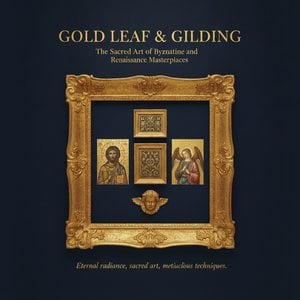
Explore the divine mastery of Byzantine gold leaf and gilding. Discover how ancient artisans used gold ground and mosaics to create celestial light, a timeless legacy of spiritual splendor and technical excellence in sacred art history.

Explore the dramatic evolution of Northern Mannerism. Discover how masters like Bosch and Grünewald transitioned from Renaissance harmony to profound, elegant distortion through an expert analysis of symbolism, emotional intensity, and artistic innovation.

Unveil the captivating world of Mannerism. Our expert analysis explores the transition from Renaissance harmony to the profound, elegant distortions of masters like El Greco, offering deep insights into one of art history's most influential and enigmatic eras.


 发送
发送 分享
分享
 详情
详情 指南
指南

 下载图片
下载图片
 相似作品
相似作品 幻灯片播放
幻灯片播放 统计数据
统计数据 阅读全文
阅读全文






































 玻璃选项仅适用于110厘米以下的尺寸。


