博物馆级艺术微喷或帆布版画,制作高效,并提供多种饰面选择。 ( 购买手绘画作 切换至数字图像销售渠道)





























从与原作比例一致的预设尺寸中进行选择。

您可以输入自定义尺寸,以适配特定的画框或空间。如果您选择的尺寸与原图比例不符,我们将对作品进行裁剪,或通过镜像填充/纯色填充边缘的方式来扩展图像。在开始制作之前,我们会向您发送一份数字效果图供您确认。
请注意,屏幕上的预览并不能反映实际的裁剪或扩展效果。只有效果图才能准确展示最终的构图。
虽然我们提供定制尺寸,但为了保持原图比例,我们建议您从预设列表中选择尺寸。

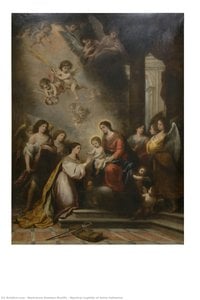
L'apparition de l'Immaculée conception à six personnages
复制品尺寸
In the heart of the Spanish Baroque, few images command the soul with such profound tenderness as Bartolomé Esteban Murillo’s L'apparition de l'Immaculée conception à six personnages. This monumental masterpiece, conceived between 1662 and 1665 for the Santa María la Blanca Cathedral in Seville, is far more than a mere religious depiction; it is a window into the divine. As the eye meets the canvas, one is immediately struck by the ethereal presence of the Virgin Mary, appearing amidst a swirling, heavenly cloudscape. Murillo, a titan of his era, possessed an unparalleled ability to bridge the gap between the earthly and the celestial, inviting the viewer to stand alongside the six onlookers who gaze upward in breathless reverence. The composition, characterized by its vertical grandeur, draws the spirit upward, mirroring the very architectural aspirations of the cathedlam that once housed it.
The emotional resonance of the piece lies in its delicate balance between awe and intimacy. While the subject matter is undeniably epic, Murillo avoids the coldness often found in monumental religious works. Instead, he infuses the scene with a soft, palpable warmth. The onlookers—a diverse group of mortals caught in a moment of spiritual epiphany—serve as our emotional anchors. Their varied expressions of piety, wonder, and quiet contemplation allow anyone standing before the painting to find a point of connection. For the collector or the designer, this artwork offers more than just visual prestige; it provides an atmosphere of serenity and contemplative grace, making it a transformative centerpiece for any space dedicated to reflection and beauty.
To understand the magic of this work, one must look closely at Murillo’s sophisticated use of chiaroscuro. The artist employs dramatic lighting not merely as a tool for visibility, but as a profound metaphor for divine revelation. A soft, diffused light emanates from behind the Virgin Mary, sculpting her form against the hazy, atmospheric clouds and creating a natural halo that seems to pulse with life. This technique of backlighting creates a sense of depth and volume, making the drapery of her robes appear heavy and real, yet weightless enough to float within the heavens. The layers of oil paint are applied with such meticulous precision that the textures of skin, fabric, and cloud seem to possess their own distinct tactile qualities.
The color palette is a masterclass in Baroque harmony, dominated by warm, golden tones that suggest the glow of candlelight or sunset, punctuated by the cool, celestial blues and pure whites of the Virgin’s attire. This interplay of warmth and coolness enhances the painting's luminous quality, a hallmark of Murillo’s style. His brushwork, while precise in defining the figures, retains a certain fluid softness that contributes to the dreamlike, visionary atmosphere. For those seeking a high-quality reproduction, capturing these subtle gradations of tone and the delicate interplay of light is essential to preserving the spiritual radiance that defines the original masterpiece.
Every element within this composition serves a higher narrative purpose, weaving a complex tapestry of Christian iconography. The Virgin Mary’s outstretched hand is a poignant gesture of prayer and supplication, embodying the humility required to encounter the divine. Above her, an angel holds aloft a banner, a symbolic herald of the heavenly message being delivered to the faithful below. Even the clouds themselves are not merely atmospheric; they represent the boundary between the mortal realm and the kingdom of God, acting as the stage upon which this miraculous apparition unfolds.
Murillo’s ability to blend these heavy symbolic elements with such naturalistic beauty is what secures his place in the pantheon of art history. He does not force the symbolism upon the viewer; rather, he allows it to emerge organically from the light and movement of the scene. This seamless integration of meaning and aesthetics ensures that the painting remains eternally relevant, offering a timeless sense of peace and spiritual uplift. Whether displayed in a private gallery or as a focal point in a sophisticated interior, this work continues to inspire awe, serving as a lasting testament to the enduring power of faith and the sublime beauty of the Spanish Baroque.


1618 - 1682 , 西班牙

Explore the profound drama of Spanish Baroque art. Delve into the mastery of light, shadow, and realism through the legendary works of Diego Velázquez and the Spanish Golden Age.


 效果预览
效果预览
 分享
分享 分享
分享
 详情
详情 指南
指南

 下载
下载
 相似作品
相似作品 X射线
X射线 幻灯片播放
幻灯片播放 统计数据
统计数据


 展开详情
展开详情









 玻璃选项仅适用于110厘米以下的尺寸。