
博物馆级艺术微喷或帆布版画,制作高效,并提供多种饰面选择。 ( 购买手绘画作 切换至数字图像销售渠道)
从与原作比例一致的预设尺寸中进行选择。

您可以输入自定义尺寸,以适配特定的画框或空间。如果您选择的尺寸与原图比例不符,我们将对作品进行裁剪,或通过镜像填充/纯色填充边缘的方式来扩展图像。在开始制作之前,我们会向您发送一份数字效果图供您确认。
请注意,屏幕上的预览并不能反映实际的裁剪或扩展效果。只有效果图才能准确展示最终的构图。
虽然我们提供定制尺寸,但为了保持原图比例,我们建议您从预设列表中选择尺寸。

Crucifixion
复制品尺寸

Bartolomé Bermejo stands as a pivotal figure in the transition between Gothic and Early Renaissance art, particularly within the Iberian Peninsula. His distinctive style—characterized by meticulous detail, dramatic lighting, and masterful realism—earned him recognition as one of the foremost painters of his era and cemented his legacy as a pioneer who successfully assimilated Flemish painting techniques into Spanish artistic traditions. While biographical details remain somewhat elusive due to sparse documentation, scholars agree that he flourished primarily in Valencia, Daroca, Zaragoza, and Barcelona during the latter half of the fifteenth century.
The early life and training of this master remain shrouded in a certain historical mystery. Precise information regarding Bermejo’s birthplace—Córdoba—is debated, with recent research questioning its certainty. However, his artistic activity centered around four key Spanish cities: Valencia (1468), Daroca (1474), Zaragoza (1477–84) and Barcelona (1486–1501). The exact origins of his training remain unknown, yet the exceptional command of oil glazing—a technique perfected by Flemish masters—strongly suggests direct exposure to the artistic innovations originating in Bruges and Ghent. This profound connection to the North allowed him to bring a level of technical sophistication to Spain that was previously unseen.
Bermejo’s oeuvre comprises numerous altarpieces, demonstrating his mastery of large-scale retables with multiple panels. His technique embodies the spirit of Flemish painting, prioritizing meticulous observation and rendering textures with remarkable accuracy. He skillfully employed glazing techniques—applying thin, transparent layers of oil paint—to achieve a luminous depth that seems to glow from within. This method allowed him to capture the sheen of silk, the cold hardness of jewels, and the soft warmth of human skin with an almost tactile quality.
Among his most celebrated achievements are works that showcase both his religious devotion and his technical ambition:
The historical significance of Bartolomé Bermejo lies in his role as a bridge between eras and cultures. Through his monumental triptych of the Virgin of Montserrat in València and his unfinished high altar retables in Santo Domingo de Silos and Santa Anna in Barcelona, he demonstrated an unparalleled skill and ambition that pushed the boundaries of Spanish art. He did not merely copy Northern styles; he synthesized them with a local sensibility to create something entirely unique.
By integrating the intense realism and symbolic depth of the Flemish tradition into the religious landscape of the Iberian Peninsula, Bermejo helped pave the way for the subsequent flowering of the Spanish Renaissance. His ability to manipulate light and shadow to evoke emotion remains a testament to his genius, ensuring that his name continues to resonate with art historians and admirers of fine art alike.

1440 - 1500 , Spain

Embark on a scholarly journey through the spiritual grandeur of Late Medieval art. Discover the intricate symbolism, technical mastery, and profound religious narratives that define the Gothic era in this expert-led guide for art enthusiasts and collectors.

Explore the exquisite elegance of Late Gothic art. Discover how masters like Carlo Crivelli and Stefan Lochner blended intricate detail and religious devotion to bridge the Middle Ages and the Renaissance in this expert art history guide for true connoisseurs.

Embark on a visual journey through Early Medieval art. Explore the profound beauty of illuminated manuscripts, sacred symbols, and golden light through an expert historical lens, celebrating the enduring legacy of medieval craftsmanship and divine artistry.

Embark on a scholarly journey through the sacred beauty of High Medieval art. Discover the profound symbolism, luminous iconography, and spiritual depth of Gothic masterpieces in this expert guide for classical art enthusiasts.
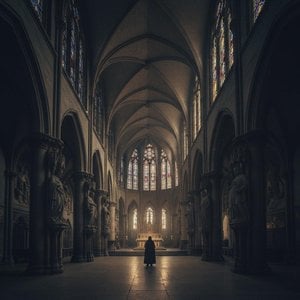
Embark on a journey through the dramatic era of Gothic art. Discover the profound beauty of illuminated manuscripts, sacred gold leaf masterpieces, and the transition to naturalism in this expert-led exploration of medieval artistry and historical grandeur.


 效果预览
效果预览
 分享
分享 分享
分享
 详情
详情

 下载
下载
 相似作品
相似作品 X射线
X射线 幻灯片播放
幻灯片播放 统计数据
统计数据


 展开详情
展开详情






































 玻璃选项仅适用于110厘米以下的尺寸。


![Scrovegni - [35] - Crucifixion — 乔托, Gothic](/media/artworks/images-thumb/cf/93/cf934c5f25029370a72ef279c00495b1.jpg)


