
博物馆级艺术微喷或帆布版画,制作高效,并提供多种饰面选择。 ( 订购此收藏品的纯手工复刻画作 切换至数字图像销售渠道)





























您可以从与原作比例一致的预设尺寸中进行选择。

请输入您所需的宽度和高度,以适配您的画框或墙面。由于印刷品只能进行裁剪,无法超出原图尺寸,因此若比例不一致,画面的一部分将会被裁切。在正式印刷之前,我们会为您发送一份数字效果图供您确认。本页面显示的图片并非最终裁剪后的效果——只有效果图才能展示真实的裁剪情况。
Stamp
复刻品尺寸说明
Before us lies a terracotta fragment, not merely an artifact but a window into the heart of the Aztec Empire. Designated simply as “Stamp,” this weathered ceramic seal speaks volumes about a civilization obsessed with order, ritual, and the profound connection between the earthly and divine. Its unassuming form—a stylized L-shape adorned with intricate carvings—conceals layers of meaning, offering a tangible link to a world both familiar and utterly alien. The piece’s very existence whispers tales of skilled artisans, meticulous craftsmanship, and a society deeply invested in preserving its history and beliefs through symbolic representation.

Dating back to the early 16th century, just before the arrival of the Spanish conquistadors, this “Stamp” embodies a tradition that stretched back millennia. Ceramic stamps were integral to Aztec life, employed not only for decorative purposes but also as powerful tools for recording events, marking ownership, and even facilitating religious ceremonies. The technique itself—hand-carving intricate designs into unfired clay before firing it to a durable finish—demands considerable skill and patience. The rough texture of the surface, marked by the deliberate act of carving, is a testament to this labor of love, inviting us to trace the lines with our fingertips and feel the weight of history.
Further research reveals that similar stamps were found in burial sites, suggesting they held significant spiritual importance. The presence of these objects alongside the deceased indicates their role as markers of identity, status, or perhaps even conduits to the afterlife – a belief system deeply intertwined with the cyclical nature of life and death within Aztec cosmology.
The most striking aspect of this “Stamp” is undoubtedly its intricate carvings. While the precise meaning of each glyph remains subject to ongoing scholarly debate, they are widely believed to represent elements of Aztec mythology and cosmology. The recurring motifs—often abstract figures resembling stylized animals or human forms—likely served as visual shorthand for complex religious narratives and historical events. The presence of what appears to be a monkey figure is particularly noteworthy, aligning with the Aztec belief that monkeys were associated with the wind deity Ehecatl, embodying themes of music, dance, and even trickery. This detail offers a fascinating glimpse into the nuanced symbolism woven throughout Aztec art.
The style aligns closely with pre-Columbian Mesoamerican aesthetics, characterized by geometric precision, stylized representations, and a deep reverence for nature. The deliberate simplicity of the design—a stark contrast to the elaborate ornamentation found in other Aztec artworks—suggests a focus on conveying essential meaning rather than mere aesthetic beauty.
WahooArt is proud to offer a meticulously crafted hand-painted reproduction of this remarkable “Stamp.” Drawing upon extensive historical research and detailed photographic analysis, our artists have painstakingly recreated the artifact’s texture, color palette, and symbolic details. This reproduction not only preserves the essence of this ancient masterpiece but also makes it accessible for display in homes and galleries worldwide. It's a tangible connection to a lost civilization—a reminder of the enduring power of art to transcend time and connect us to our shared human heritage.
Explore the full artwork details and discover how this captivating piece can enrich your space at WahooArt.com
“阿兹特克”(Aztec)这个名字源自纳瓦特尔语(Nahuatl)的 *ātl-ce-tlācati–tlān*,意为“万物之民”,它唤起人们对一个横跨中美洲、绵延数个世纪的庞大而复杂的帝国的想象。阿兹特克人远不止是战士和征服者,他们更是极具艺术天赋的个体,将精妙绝伦的美感编织到生活的方方面面——从宏伟的建筑到精致的羽饰,从神圣的仪式到日常的器物。他们的艺术并非仅仅为了装饰;它是一种充满活力的语言,用以传达宗教信仰、政治权力、历史叙事以及社会等级结构,构建在一个既严谨有序又令人惊叹地富有创意的社会之中。
阿兹特克文明诞生于14世纪初的特诺奇蒂特兰(Tenochtitlan),这里是帝国的心脏。他们的艺术传统深深植根于更早的中美洲文明的辉煌遗产之上。奥尔梅克人以其巨大的头像和复杂的历法系统著称;特奥蒂瓦坎人则以宏伟的金字塔和城市规划闻名;而托尔特克人更是金属工艺和雕塑的大师。所有这些都共同构成了阿兹特克继承的丰富艺术图景。然而,阿兹特克人并非简单的模仿者;他们将这些影响与自身独特的审美情趣进行了融合,发展出一种以大胆的色彩、复杂的几何图案和象征性表征为特征的独特风格。
阿兹特克的艺术展现出惊人的多样性,运用了令人赞叹的丰富材料和技术。石雕占据了核心地位,其代表作包括描绘神祇、统治者和神话生物的宏伟雕塑。1946年发现的巨大太阳石(历法石)便是最好的证明——这块复杂的、分层的石制浮雕,将历法信息与宇宙学象征完美地结合在一起。技艺精湛的工匠们还擅长使用木材、陶土、羽毛——尤其是绚丽的孔雀羽——玉石、绿松石、黑曜石和黄金,这些材料不仅彰显了财富,更代表着社会地位。
羽饰或许是阿兹特克艺术中最具视觉冲击力的方面。那些错综复杂的头冠、斗篷、盾牌和其他装饰品,都是用数以千计精心排列的羽毛制作而成——这个过程需要极高的技巧和耐心。这些物品不仅仅是美丽的;它们更是权威、宗教虔诚和社会等级的有力象征。色彩本身也承载着特定的意义:蓝色代表天空,绿色象征丰饶,红色象征战争,而黄色则象征太阳。
此外,阿兹特克艺术家还是马赛克艺术的大师,他们利用小块精确切割的石材瓦片,创造出令人惊叹的装饰面板。这些马赛克点缀在神庙、宫殿和私人住宅中,为建筑环境增添了一层视觉上的富丽堂皇。他们的陶器同样令人印象深刻,上面描绘着复杂的几何图案以及动物和神祇的形象。
阿兹特克的艺术充满了象征意义,每一件作品都承载着多层次的含义,需要祭司、抄写员和统治者们仔细解读。核心的神祇——战争与太阳之神维齐洛波奇特利(Huitzilopochtli),经常被描绘在装饰着羽毛和宝石的华丽头冠上。与知识、智慧和创造力相关的羽蛇神克凯萨科阿特尔(Quetzalcoatl)在其神祇谱系中占据了重要地位,并在无数的艺术作品中得以展现。
历法系统——一个极其复杂的太阳周期与仪式周期的结合——是另一个反复出现的母题。日历、象形文字和天文符号的图像被融入到雕塑、马赛克和抄本(插图书籍)之中,反映了阿兹特克人对时间和宇宙学的深刻理解。玉米,作为他们主食的代表,象征着生命的维持与丰饶。动物形象——特别是美洲虎、鹰、蛇和蜂鸟——则承载着与力量、勇气和神性相关的象征意义。
1521年,阿兹特克帝国在西班牙征服者的手中突然崩溃,给中美洲文化造成了毁灭性的打击。令人悲哀的是,其大部分的艺术遗产都在征服过程中付之一炬——神庙被夷平,雕塑被砸碎,抄本被焚毁。然而,尽管遭受了这些损失,阿兹特克艺术的碎片至今仍流传下来,为我们提供了了解这个非凡文明的无价洞察。
值得关注的例子包括太阳石,这件宏伟的雕塑展示了阿兹特克人先进的天文学和数学知识;在世界各地的博物馆中保存的精美羽饰头冠和斗篷;以及幸存下来的抄本——这些手写书籍记录了历史记载、宗教信仰和历法信息。《安德烈斯·布莱斯坦收藏馆》(Colección Andrés Blaisten)就收藏了大量拉丁美洲艺术品,其中包含阐明阿兹特克艺术传统的典范。
阿兹特克帝国艺术遗产的影响至今仍可见一斑,激励着当代艺术家和设计师们。他们创新的技法、象征性的意象以及与自然的深厚联结,持续在全球范围内引起共鸣。探索阿兹特克的艺术,不仅仅是一次历史鉴赏的练习;它更是一场深入复杂而迷人文明核心的旅程——是对人类创造力、独创性和精神深度的不朽颂歌。
如需探索更多来自阿兹特克帝国及其他著名艺术家的作品,请访问 WahooArt.com.

1300 - 1521 , 墨西哥
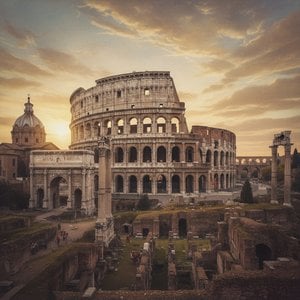
Explore the profound beauty of Roman architecture through art history. From Piranesi's evocative engravings to classical masterpieces, discover how the grandeur of ancient Rome continues to inspire collectors and art enthusiasts worldwide.

Explore the profound beauty of ancient ruins through fine art history. Discover how masters like Pannini captured Roman grandeur, and learn how to bring this timeless architectural majesty into your home with museum-quality, hand-painted oil reproductions.

Explore the profound impact of Mexican Muralism, a visual revolution born from social struggle. Delve into the monumental works of Rivera, Orozco, and Siqueiros, uncovering how these powerful frescoes redefined identity and ignited a lasting legacy of resistance in art history.

Embark on a sophisticated journey through the history of classical sculpture. From Ancient Greek mastery to Renaissance bronze, discover the profound beauty and enduring legacy of the world's most iconic sculptural masterpieces.


 实景预览
实景预览
 发送
发送 分享
分享
 详情
详情 指南
指南

 下载图片
下载图片
 相似作品
相似作品 X射线
X射线 幻灯片播放
幻灯片播放 统计数据
统计数据


 阅读全文
阅读全文









 玻璃选项仅适用于110厘米以下的尺寸。


