
由我们的艺术家按需定制,为您提供您所选尺寸及画框的布面手工油画。 ( 切换至版画销售渠道 切换至数字图像销售渠道)





























您可以从与原作比例一致的预设尺寸中进行选择。

请输入您需要的宽度和高度,以适配您的画框或墙面。由于作品为手工绘制,若您选择不同的尺寸比例,艺术家可能会在画面边缘多画一些或稍作裁剪 —— 由您决定。在开始绘画之前,我们会为您发送一份数字效果图供您确认。本页面上展示的图片并非最终实物 —— 只有效果图才能反映真实结果。
Basque pilgrimage
复刻品尺寸说明
In the evocative masterpiece Basque Pilgrimage, the legendary Spanish painter Aurelio Arteta invites us into a moment of profound communal joy. The canvas unfolds as a vibrant tapestry of human connection, capturing a large gathering of people nestled within a lush, verdant field. As one gazes upon the scene, there is an immediate sense of movement and life; figures are scattered across the landscape, some seated peacefully upon the grass while others engage in the rhythmic grace of dance. The atmosphere is thick with the spirit of festivity, punctuated by the delicate glint of wine glasses held aloft and the casual presence of bottles and bowls that suggest a shared feast. It is not merely a depiction of a social event, but a soulful tribute to the enduring strength of community traditions.
Arteta, a master of blending the structural clarity of Cubism with the emotive depth of Social Realism, employs a technique that breathes life into every subject. The composition is meticulously balanced, guiding the eye through the undulating crowd and across the scattered elements of the picnic. His brushwork, while grounded in a certain monumental solidity characteristic of his style, manages to capture the ephemeral lightness of a summer afternoon. The interplay of light and shadow across the various textures—from the soft blades of grass to the diverse fabrics of the attendees' clothing—creates a sense of three-dimensional presence that makes the scene feel almost tangible to the viewer.
Beyond its surface beauty, Basque Pilgrimage serves as a poignant window into the cultural identity of the Basque region. During an era marked by significant socio-political shifts in Spain, Arteta turned his gaze toward the foundational rhythms of rural life. The pilgrimage itself acts as a powerful symbol of shared faith, heritage, and the cyclical nature of tradition. Each figure in the painting represents a thread in the larger social fabric, contributing to a collective narrative of resilience and togetherness. The presence of food and drink is not merely incidental; it symbolizes the bounty of the land and the ritualistic importance of breaking bread as a community.
For the discerning collector or interior designer, this artwork offers much more than aesthetic appeal. It provides an emotional anchor for a space, bringing a sense of warmth, stability, and historical depth. The painting’s ability to evoke nostalgia while celebrating the vitality of life makes it a timeless addition to any curated collection. Whether placed in a grand salon or a quiet study, a high-quality reproduction of this work serves as a conversation piece that honors the artistry of the early 20th-century Spanish Modernist movement and the unbreakable bonds of human fellowship.
奥雷利奥·阿尔特塔 的《Basque pilgrimage》 传达出一种 Joyful 的情感基调。
建议将“Basque pilgrimage”用于Cultural,推荐摆放空间为Restaurant。
考虑到其Earthy的色调,建议将“Basque pilgrimage”布置于Restaurant中。

奥雷利奥·阿尔特塔·埃拉斯蒂,1879年出生于西班牙繁华的港口城市毕尔巴鄂,成为了二十世纪初西班牙现代主义运动中的关键人物。他的艺术生涯深深地交织着时代的社会政治潮流和欧洲充满活力的文化氛围。虽然根植于巴斯克地区的传统,阿尔特塔的道路却远远超出了地域界限,塑造了一种独特的风格,融合了象征主义、立体主义和社会现实主义。他早年的生活充满了流动性;由于父亲的工作原因,1904年全家搬迁到巴利亚多利德,这培养了他的适应能力和观察力。他在毕尔巴鄂的艺术与手工艺学校开始正规训练,随后在巴利亚多利德继续深造,为他未来的探索奠定了基础。
阿尔特塔对艺术的热情坚定不移,即使在经济困难的情况下也是如此。在马德里的皇家美术学院学习期间,他通过各种艺术活动来补充收入——绘画、修复版画、为报纸和杂志插图,甚至还在皇家剧院扮演临时演员。这段时期不仅磨练了他的技术技能,也培养了一种坚韧不拔的精神,这将在他的整个职业生涯中至关重要。一个关键的时刻出现在1902年,他获得了比斯开亚省议会的一项资助,使他能够出国留学——这是一次变革性的经历,将定义他的艺术视野。
巴黎的魅力吸引着阿尔特塔,在1902年至1906年间,他沉浸于欧洲前卫艺术的核心。这段时期对他来说是塑造性的,让他接触到普维斯·德·沙凡纳、高更和图卢兹-劳特雷克等大师的作品。普维斯·德·沙凡纳的影响在他后来的壁画作品中显而易见——他对大型构图和象征性叙事的着迷。高更大胆的色彩运用和对原始主题的探索深深地引起了他的共鸣,而图卢兹-劳特雷克对现代生活的动态描绘为他不断演变的风格增添了另一层维度。离开巴黎后,他在意大利逗留了一段时间,接触到文艺复兴巨匠乔托和拉斐尔,进一步丰富了他对构图、形式和叙事力量的理解。
1906年回到毕尔巴鄂后,阿尔特塔建立了工作室并举办了他的第一次展览,标志着他作为一位重要艺术家的出现。他很快以其多才多艺而闻名,在各种媒介中工作——绘画、石版画、海报设计和插图。这段时期他收到了来自毕尔巴鄂杰出人物的肖像委托以及风俗场景委托,巩固了他在当地艺术界的声誉。1911年,他与他人共同创立了巴斯克艺术家协会,这证明了他致力于促进艺术合作和推广地区身份。
1922年标志着阿尔特塔职业生涯的转折点。他获得了一项重大委托——为马德里毕尔巴鄂银行新分行的十二幅壁画,描绘巴斯克国家历史和银行业务。这个项目将他推向了壁画家的前沿地位,这是他将全心投入的角色。他的第二件重要的壁画作品紧随其后,位于洛格罗尼奥神学院的礼拜堂,由里卡多·巴斯蒂达设计。这些大型作品不仅仅是装饰性的;它们充满了象征意义,反映了阿尔特塔日益增长的社会意识和与当代问题接触的愿望。
阿尔特塔对艺术诚信的承诺并非没有挑战。1924年,他被任命为毕尔巴鄂美术馆馆长,但三年后因与市政府在收购政策上的分歧而辞职。这一反抗行为引发了对普里莫·德·里维拉政权下文化政策更广泛的批评,表明了他捍卫艺术自由和智力讨论的意愿。在此期间,阿尔特塔继续举办展览并获得认可,巩固了他作为西班牙艺术界领导人物的地位。
西班牙内战爆发时,阿尔特塔在马德里绘画高等技术学校任教。作为共和派的坚定支持者,他被迫搬迁——先到瓦伦西亚,然后是巴塞罗那——随着冲突升级。1938年,面对日益危险的情况,他离开西班牙前往比亚里茨,寻求摆脱动荡的庇护所。他的最后一件重要作品是在墨西哥为印达莱西奥·普列托的住宅餐厅进行装饰。
不幸的是,阿尔特塔的生命在1940年11月被过早地夺走了,他和他的妻子在墨西哥科约阿坎的一场电车事故中丧生。他英年早逝剥夺了艺术界一位强大的声音。奥雷利奥·阿尔特塔的遗产通过他的壁画延续下来——这些是巴斯克历史、社会现实主义和艺术创新的纪念碑性见证。他仍然被誉为一位勇敢地驾驭现代,将各种影响融合到一种独特而引人入胜的风格中的画家,这种风格至今仍在引起共鸣。他的作品提醒着人们他所生活的动荡时代以及艺术反映和塑造社会持久的力量。

1879 - 1940 , 西班牙
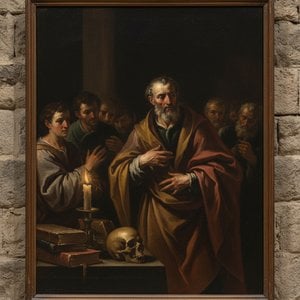
Explore the profound drama of Spanish Baroque art. Delve into the mastery of light, shadow, and realism through the legendary works of Diego Velázquez and the Spanish Golden Age.

Explore the timeless elegance of formal gatherings through the lens of art history. Discover how master painters captured social grace, status, and atmosphere in iconic group portraits and ballroom scenes.

Embark on a sophisticated exploration of Spanish art history, from the chiaroscuro mastery of Velázquez to the profound shadows of Goya. Discover how the dramatic light and emotional depth of Spain's greatest masters continue to inspire collectors and connoisseurs today.


 实景预览
实景预览
 发送
发送 分享
分享
 详情
详情 指南
指南

 下载图片
下载图片
 相似作品
相似作品 X射线
X射线 幻灯片播放
幻灯片播放 统计数据
统计数据

 阅读全文
阅读全文









 玻璃选项仅适用于110厘米以下的尺寸。


