
 Oil On CanvasWallArtPost-Impressionism
 1922
1922 61.0 x 41.0 cm
 Nottingham Castle Museum And Art Gallery
博物馆级艺术微喷或帆布版画,制作高效,并提供多种饰面选择。 ( 订购此收藏品的纯手工复刻画作 切换至数字图像销售渠道)





























您可以从与原作比例一致的预设尺寸中进行选择。

您可以输入自定义尺寸,以适配特定的画框或空间。如果您选择的尺寸与原图比例不符,我们将对作品进行裁剪,或通过镜像填充/纯色填充边缘的方式来扩展图像。在开始制作之前,我们会向您发送一份数字效果图供您确认。
请注意,屏幕上的预览并不能反映实际的裁剪或扩展效果。只有效果图才能准确展示最终的构图。
虽然我们提供定制尺寸,但为了保持原图比例,我们建议您从预设列表中选择尺寸。
Yvonne
复刻品尺寸说明
Augustus Edwin John, a name often associated with the bohemian spirit of late 19th and early 20th-century Wales, gifted us with a remarkable series of portraits that transcend mere likeness. His 1922 painting, "Yvonne," is not simply a depiction of a young woman; it’s an intimate study in observation, capturing a fleeting moment of contemplation and hinting at the complexities beneath a serene surface. The work resides within Nottingham City Museums & Galleries, offering a rare glimpse into John's evolving style and his profound ability to imbue his subjects with personality.
The composition immediately draws the eye to Yvonne’s face – rendered with an almost sculptural precision. John masterfully employs light and shadow to sculpt her features, emphasizing the delicate curve of her cheekbone, the subtle furrow of her brow, and the quiet intensity in her gaze. Her posture is relaxed yet alert, suggesting a thoughtful awareness of herself and the world around her. The muted brown background serves not as a distraction but rather as a deliberate framing device, intensifying the focus on Yvonne’s presence and drawing the viewer into her private space. The loose brushstrokes, characteristic of John's later work, create a sense of immediacy and movement, as if capturing a spontaneous expression.
“Yvonne” exemplifies John’s unique blend of realism and impressionism. He was deeply influenced by the Impressionists, particularly their focus on capturing fleeting moments of light and atmosphere. However, unlike many of his contemporaries who embraced pure Impressionism, John retained a strong grounding in traditional draughtsmanship. His meticulous attention to detail—particularly in the rendering of fabric and hair—is evident throughout the painting. The impasto technique – applying paint thickly to create texture – is particularly pronounced in Yvonne’s clothing, adding a tactile quality to the image and further enhancing its visual richness.
The color palette is restrained, dominated by earthy tones – browns, ochres, and subtle greens – which contribute to the painting's overall mood of quiet introspection. John skillfully uses variations in tone to create depth and volume, suggesting the folds of Yvonne’s dress and the contours of her face. The brushwork itself is dynamic and expressive, with visible strokes that convey a sense of energy and spontaneity. This combination of meticulous detail and loose brushwork is what gives “Yvonne” its distinctive character – a harmonious balance between observation and artistic interpretation.
To fully appreciate "Yvonne," it’s essential to understand the context in which John was working. Born in Tenby, Wales, he cultivated an unconventional lifestyle, embracing the bohemian spirit of the early 20th century. He spent his formative years studying at the Slade School of Fine Art in London but always maintained a strong connection to his Welsh roots and artistic community. John’s life was marked by both success and personal struggles – including a debilitating head injury sustained during a diving accident – which undoubtedly influenced his art, adding layers of complexity and emotional depth to his work.
The painting itself dates back to 1922, a period when John was at the height of his creative powers. He had established himself as one of Britain’s leading portrait painters, known for his psychologically astute depictions of women. “Yvonne” reflects this mastery, demonstrating his ability to capture not only physical likeness but also the inner life and emotional state of his subject.
While "Yvonne" appears outwardly serene, a closer examination reveals subtle symbolic elements. The woman’s gaze is direct and unwavering, suggesting a quiet strength and resilience. There's an undercurrent of melancholy in her expression, perhaps hinting at the challenges and uncertainties of life. The loose, flowing lines of her dress evoke a sense of movement and freedom, while the muted colors create a feeling of intimacy and privacy. John’s masterful use of light and shadow further enhances this emotional resonance, casting a gentle glow on Yvonne's face and inviting the viewer to contemplate her inner world.
Ultimately, “Yvonne” is more than just a portrait; it’s a meditation on beauty, introspection, and the complexities of human experience. It stands as a testament to Augustus Edwin John’s artistic vision and his ability to capture the essence of his subjects with remarkable sensitivity and insight.
"Yvonne" 的明暗对比度记录为 Bold。对比度描述了明亮区域与阴影区域之间的差异强度。
奥古斯都·埃德温·约翰 的《Yvonne》 是一幅 Portrait 构图的作品。在选择打印尺寸之前,建议先确认其比例。
“Yvonne”可通过 采用棉质帆布或档案级画布纸制作的艺术版画 进行订购。您可以在 本页 选择心仪的尺寸进行下单。
奥古斯都·埃德温·约翰 的《Yvonne》 所记录的情感基调为 Melancholic。它概括了作品所传达的情绪。
Black (#1e1709) 是 奥古斯都·埃德温·约翰 的《Yvonne》 的主导色。
奥古斯都·埃德温·约翰 的《Yvonne》 是一幅 Portrait 构图的作品,原件尺寸为 61 x 41 cm。
奥古斯都·埃德温·约翰 于 1922 年创作了《Yvonne》。
“Yvonne”是一件Post-Impressionism时期的作品。该艺术流派指明了作品所属的艺术传统。

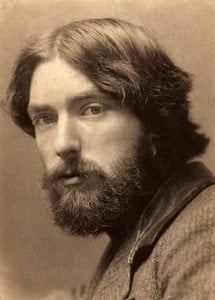
1878 - 1961 , 美国

Unveil the profound revolution of Post-Impressionism. Explore how masters like Van Gogh and Cézanne utilized bold colors and emotional depth to transcend mere representation, laying the foundation for modern art. A sophisticated journey through history's most emotive brushstrokes.

Explore the transformative era of Post-Impressionism. Discover how masters like Cézanne and Matisse revolutionized color and form, moving beyond Impressionism to shape modern art history through structural innovation and expressive emotion.

探索印象派与后印象派的艺术革命。本文深度解析莫内、梵高、塞尚等大师如何通过光影与色彩重塑现代美学。作为全球领先的艺术品交易平台,WahooArt为您呈现博物馆级的纯手工油画复刻,以精湛技艺捕捉名画神韵,为您的私人收藏与高端空间装饰注入永恒的艺术灵魂。

Explore the vibrant evolution of Post-Impressionism. From Seurat's revolutionary Pointillism to the emotional depth of masters, discover how this movement redefined modern art history through color, structure, and unparalleled creative expression.


 实景预览
实景预览
 发送
发送 分享
分享
 详情
详情 指南
指南

 下载图片
下载图片
 相似作品
相似作品 X射线
X射线 幻灯片播放
幻灯片播放 统计数据
统计数据 阅读全文
阅读全文









 玻璃选项仅适用于110厘米以下的尺寸。


