
 布面丙烯墙面艺术品Georgian Portraiture
 1749
1749 74.0 x 53.0 cm
 Harris Museum - Art Gallery
博物馆级艺术微喷或帆布版画,制作高效,并提供多种饰面选择。 ( 购买手绘画作 切换至数字图像销售渠道)





























从与原作比例一致的预设尺寸中进行选择。

您可以输入自定义尺寸,以适配特定的画框或空间。如果您选择的尺寸与原图比例不符,我们将对作品进行裁剪,或通过镜像填充/纯色填充边缘的方式来扩展图像。在开始制作之前,我们会向您发送一份数字效果图供您确认。
请注意,屏幕上的预览并不能反映实际的裁剪或扩展效果。只有效果图才能准确展示最终的构图。
虽然我们提供定制尺寸,但为了保持原图比例,我们建议您从预设列表中选择尺寸。

玛丽·杜凯 née Norris
复制品尺寸
Arthur William Devis’s “Mary du Cane, née Norris” stands as a testament to the understated elegance characteristic of Georgian portraiture and, crucially, embodies the burgeoning fascination with capturing psychological depth within formal depictions. Painted in 1749, this canvas offers more than just a likeness; it presents an intimate glimpse into the life and character of Mary Du Cane herself – a woman whose quiet dignity radiates from the canvas.
Devis’s stylistic approach aligns perfectly with the prevailing trend of “conversation pieces,” which sought to portray subjects engaged in domestic activities or contemplating philosophical ideas. Unlike grand historical narratives, these portraits prioritized conveying emotion and capturing the subtleties of human experience. Here, Mary Du Cane is seated gracefully on a chair draped in rich fabrics—a deliberate choice reflecting the social status of her family.
The artist skillfully blended light and shadow to sculpt form and create a sense of three-dimensionality. The painting’s enduring appeal lies in its ability to capture not just a woman’s appearance but also her spirit—a remarkable achievement for Devis and a cornerstone of Georgian portraiture’s legacy.
Beyond its aesthetic merits, “Mary du Cane, née Norris” resonates with a profound emotional impact. It invites contemplation on themes of femininity, grace, and inner resilience – qualities valued within Georgian society. The painting's subtle inclusion of decorative elements—such as the embroidered shawl draped over Mary’s shoulders—further underscores her familial heritage and reinforces the painting’s overarching theme of refined taste.
Born in London in 1762, Arthur William Devis descended from a family distinguished by artistic talent. Following in the footsteps of his elder brother Thomas Anthony Devis—also a painter—he pursued formal training at Westminster School and later apprenticed under John Raphael Smith, a prominent Flemish topographical artist.
Smith’s influence undoubtedly shaped Devis's technique, fostering an appreciation for meticulous observation and skillful rendering. However, Devis swiftly transitioned to portraiture, establishing himself as a respected artist within the provincial circles of England. His success wasn’t meteoric; rather, it was built upon consistent dedication and a keen understanding of his patrons’ desires.
Devis's work aligns seamlessly with the broader trend of “conversation piece” portraiture—a genre that flourished during the Georgian era. Artists like Devis recognized that true artistry lay not merely in replicating appearances but in capturing psychological depth and conveying emotion.
This approach demanded a nuanced understanding of human behavior and an ability to translate inner states into visual form—a challenge that Devis embraced wholeheartedly. He gained particular renown for his depictions of naval life, notably “The Death of Nelson,” which powerfully conveyed emotion and commemorated a pivotal moment in British history.
Despite his considerable reputation during his lifetime, Devis’s paintings largely faded from public consciousness after his death in 1822. However, a resurgence of interest in Georgian art and the conversation piece genre has brought Devis’s work back into focus—demonstrating its enduring artistic merit and prompting renewed appreciation for his contribution to British painting history.


1712 - 1787 , 英国

Explore the life & art of James Sant (1820-1916), renowned Victorian portraitist to Queen Victoria. Discover his captivating depictions of childhood, landscapes, and aristocratic society. Learn about his legacy & find fine art reproductions.
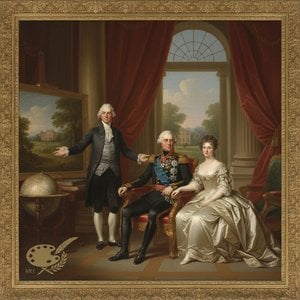
Explore the life & work of John Hoppner, a leading Georgian portraitist. Discover his vibrant style, influential patrons, and lasting impact on British art history. Expert insights for collectors.

探索伦敦大英博物馆25幅传世杰作!深入了解艺术史、著名画家和经典绘画背后的故事。从埃及文物到印象派名作,WahooArt为您呈现博物馆级艺术复制品与家居装饰灵感。立即在线探索完整系列!
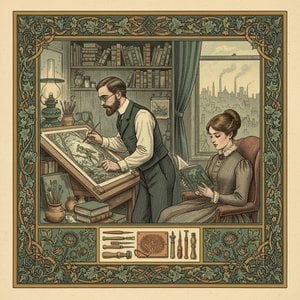
Explore the captivating world of Victorian illustration! Discover Pre-Raphaelite influences, key artists like Rossetti & Stephens, and the era's rich narrative detail. A deep dive for art enthusiasts.

Explore the life & work of Arthur William Devis (1762-1822), a key figure in Georgian portraiture and naval history painting. Discover his intimate 'conversation pieces' and captivating depictions of colonial India. Learn more at WahooArt.


 效果预览
效果预览
 分享
分享 分享
分享
 详情
详情 指南
指南

 下载
下载
 相似作品
相似作品 X射线
X射线 幻灯片播放
幻灯片播放 统计数据
统计数据 展开详情
展开详情









 玻璃选项仅适用于110厘米以下的尺寸。


