
由我们的艺术家按需定制,为您提供您所选尺寸及画框的布面手工油画。 ( 切换至版画销售渠道 切换至数字图像销售渠道)





























从与原作比例一致的预设尺寸中进行选择。

您可以输入自定义尺寸,以适配特定的画框或空间。如果所选尺寸与原图比例不符,我们将通过裁剪作品或添加手绘元素来扩展画面。数字样稿将在制作开始前发送给您确认。
请注意,屏幕预览无法准确反映实际的裁剪或扩展效果,只有样稿才能真实呈现最终的构图。
虽然我们提供定制尺寸服务,但为了保留原作比例,建议您从预设列表中选择尺寸。

untitled
复制品尺寸

Arthur Lasenby Liberty was far more than a mere merchant; he was a cultural conductor who orchestrated a revolution in the visual language of the late Victorian era. Born in 1843 in the quiet town of Chesham, Buckinghamshire, his origins were rooted in the tactile world of textiles, being the son of a draper. This early immersion in the textures of lace and fabric provided the foundational sensory vocabulary that would later define his commercial and artistic legacy. Before he became a titan of London retail, Liberty’s spirit was that of an artist, possessing a keen eye for the delicate interplay of color and form. His journey from an apprentice in the drapery trade to the founder of one of the world's most iconic institutions is a testament to a man who saw beauty not just as a luxury, but as a transformative force capable of reshaping domestic life.
The establishment of Liberty & Co. in 1875 marked the beginning of an era where commerce and fine art became inextricably linked. Moving beyond the rigid, often somber aesthetics of mid-Victorian decor, Liberty introduced a sense of wanderlust and exoticism to the British home. Inspired by the intricate craftsmanship of Japan and the Far East, he curated a collection that brought the delicate motifs of Eastern art to the West. This infusion of foreign influence was not merely decorative; it was an intellectual movement that challenged the prevailing Western obsession with formal restraint. Through his store, Liberty became a gateway for the Aesthetic Movement, offering silks, satins, and wallpapers that breathed life into interiors through organic, flowing lines and a palette inspired by the natural world.
As the nineteenth century drew to a close, Liberty’s influence expanded from the shelves of his Regent Street shop into the very fabric of European design. He possessed an uncanny ability to identify and nurture talent, fostering deep connections with the luminaries of the Arts and Crafts and Art Nouveau movements. By collaborating with legendary designers such as William Morris and Edward Burne-Jones, he ensured that his brand was synonymous with the highest caliber of artistic integrity. The resulting "Liberty style" became a global phenomenon, characterized by its signature floral prints, stylized insects, and sinuous, rhythmic patterns that seemed to pulse with biological vitality.
The impact of his work was so profound that it transcended linguistic boundaries, most notably in Italy, where the Art Nouveau movement was affectionately termed Stile Liberty. This nomenclature serves as a permanent tribute to his role in popularizing an aesthetic that celebrated the organic over the industrial. His designs were not merely patterns on cloth; they were symbols of a new modernity—one that sought harmony between human creation and the wild, untamed beauty of nature. The iconic fabrics produced under his guidance became essential components of a lifestyle that valued craftsmanship, whim, and a certain bohemian elegance.
The physical manifestation of Liberty’s ambition can be seen in the magnificent, mock-Tudor edifice of the Liberty London store on Great Marlborough Street. Though completed after his death, the building’s intricate, interconnected rooms and grand atriums reflect his philosophy of creating an immersive, experiential environment—a place where shopping felt like wandering through a private, elegant estate. His life's work successfully bridged the gap between the elite world of fine art and the burgeoning middle-class desire for beautiful, accessible objects.
Today, the name Liberty remains a hallmark of luxury and timeless design. The historical significance of Arthur Lasenby Liberty lies in his ability to have democratized beauty, turning the domestic sphere into a canvas for artistic expression. His achievements can be summarized through several enduring contributions:
Arthur Lasenby Liberty’s journey from a draper's son in Buckinghamshire to the architect of a global aesthetic remains one of the most influential narratives in the history of decorative arts. He did not just sell goods; he sold a vision of a more beautiful, more imaginative world.

1843 - 1917 , United Kingdom
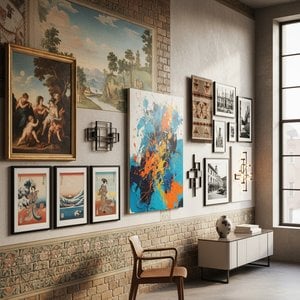
Explore the art of transforming spaces with our comprehensive guide to wall decor. From historical movements to contemporary trends, discover how to curate impactful interiors and commission bespoke artwork for a truly personalized aesthetic.

探索壁画艺术的复兴及其在奢华酒店空间中的应用。了解丝绸之路文化影响、传统技法创新与定制化设计方案。WahooArt.com提供专业咨询,打造独一无二的文化空间。

探索艺术新潮的十个杰作!高更、慕夏、克里姆特等大师作品,揭秘其背后的故事与精湛技艺。从优雅曲线到绚丽色彩,感受现代艺术的魅力。WahooArt.com为您提供博物馆品质的艺术品复制和家居装饰灵感。在线探索完整系列!

Elevate your next project with the rising trend of sculptural textures. Our expert guide explores the allure of plaster relief and impasto art, offering professional decorators trend-driven insights to bring depth, shadow, and a tactile soul to any modern interior space.
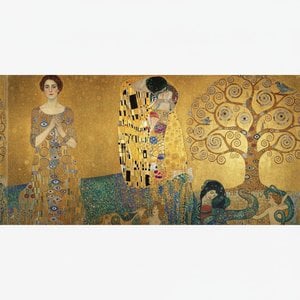
探索古斯塔夫·克林姆25幅传世名画,领略维也纳分离派的金色辉煌!深入了解每一件艺术品的创作故事与象征意义。WahooArt.com提供博物馆级高质量复制品,为您的家居带来艺术灵感。立即在线探索完整系列!


 效果预览
效果预览
 分享
分享 分享
分享
 详情
详情

 下载
下载
 相似作品
相似作品 X射线
X射线 幻灯片播放
幻灯片播放 统计数据
统计数据

 展开详情
展开详情









 玻璃选项仅适用于110厘米以下的尺寸。


