
x


 Oil On CanvasWallArtOrientalist
 192019th Century
 95.0 x 84.0 cm
 Museu do Oriente




























从与原作比例一致的预设尺寸中进行选择。

您可以输入自定义尺寸,以适配特定的画框或空间。如果所选尺寸与原图比例不符,我们将通过裁剪作品或添加手绘元素来扩展画面。数字样稿将在制作开始前发送给您确认。
请注意,屏幕预览无法准确反映实际的裁剪或扩展效果,只有样稿才能真实呈现最终的构图。
虽然我们提供定制尺寸服务,但为了保留原作比例,建议您从预设列表中选择尺寸。

Sanyasi
复制品尺寸
In the quiet, commanding presence of António Xavier Trindade’s Sanyasi, one encounters more than just a portrait; one meets a profound encounter with the spiritual essence of India. Painted in 1920, this masterful oil on canvas serves as a window into the life of a wandering holy man, an archetype of the East that continues to captivate the modern imagination. Trindade, often celebrated as the "Rembrandt of the East," utilizes a dramatic, directional light source to pull the subject from a dark, atmospheric void, thrusting him toward the viewer with an intensity that is both humbling and hypnotic. The composition is intimate, placing the sitter close to the pictorial surface so that his gaze—steady, weathered, and wise—demands a direct emotional response.
The painting is a triumph of classical realism, where every brushstroke serves to build a narrative of devotion and renunciation. Trindade’s Western academic training, honed at the Sir Jamsetjee Jeejeebhoy School of Art, allows him to render textures with breathtaking precision. One can almost feel the coarse weight of the orange robes, the rugged grain of the bamboo staff, and the sun-drenched, leathery texture of the sanyasi’s skin. Through the use of impasto, particularly in the highlights of the beard and the folds of the cloth, the artist adds a tactile dimension to the work, creating a sense of physical presence that makes the figure feel tangible, as if he might step out from the canvas itself.
Beyond its technical brilliance, Sanyasi is a rich lexicon of spiritual symbols. Every element held by the ascetic tells a story of his journey through samsara, the eternal cycle of life, death, and rebirth. The rudraksha beads draped around his neck are not merely ornaments but sacred reminders of divine connection, while the kashkul, or alms pot, held aloft in a gesture of solicitation, speaks to the humble, mendicant nature of his existence. Even the small marigold clinging to his beard serves as a poignant touch of the ephemeral beauty found in the midst of ascetic hardship. The matted hair, piled atop his head in a style reminiscent of Lord Shiva, further cements his identity as a figure of profound religious significance.
For the discerning collector or interior designer, this piece offers an unparalleled opportunity to introduce a sense of historical depth and contemplative calm into a space. The warm yellow tones and earthy ochres create an inviting warmth, while the dark, blurred background provides a sophisticated contrast that allows the artwork to anchor a room without overwhelming it. As a high-quality reproduction, this painting brings with it the dignity of the 19th-century academic tradition, making it an ideal centerpiece for those seeking to evoke themes of wisdom, resilience, and the timeless beauty of human spirit.


1870 - 1935 , 印度

Explore the life & art of Raja Ravi Varma, a pioneer who fused European techniques with Indian iconography. Discover his iconic paintings, lasting legacy, and influence on modern Indian art at WahooArt.
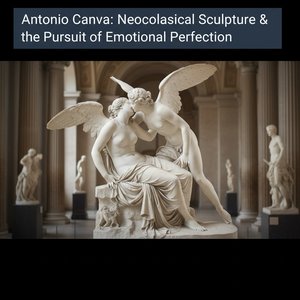
Explore the life & art of Antonio Canova, the greatest Neoclassical sculptor. Discover his masterpieces, innovative techniques, and lasting influence on fine art collecting. Expert insights for discerning investors.

Explore the life & work of Antonio Zeno Shindler, a pivotal figure in early modernist portraiture. Discover his unique style, anthropological collaborations, and lasting impact on cultural representation. Expert analysis for discerning collectors.

Explore the captivating world of Antonio Zucchi, a Venetian master of Rococo and Neoclassical art. Discover his collaborations with Robert Adam & Angelica Kauffmann, stunning frescoes, and enduring legacy. Learn about collecting Zucchi's works today.

Explore the revolutionary art of Antonio da Correggio, a master of Renaissance illusionism and chiaroscuro. Discover his frescoes, mythological paintings & lasting influence on Baroque art. Expert analysis & key works featured.


第一时间获取最新的艺术新闻、独家优惠及装饰灵感。
向我们介绍您的项目需求,我们的艺术专家将为您提供 3 个个性化的艺术品推荐。
由我们的专家为您精选 3 款心仪之作 —— 完全免费!


 效果预览
效果预览
 购买印刷品
购买印刷品 分享
分享 分享
分享
 详情
详情

 下载
下载
 相似作品
相似作品 X射线
X射线 幻灯片播放
幻灯片播放 展开详情
展开详情









 玻璃选项仅适用于110厘米以下的尺寸。


