
 WatercolorWallArtBombay School
 1931Modern
 55.0 x 69.0 cm
 Museu do Oriente
博物馆级艺术微喷或帆布版画,制作高效,并提供多种饰面选择。 ( 购买手绘画作 切换至数字图像销售渠道)





























从与原作比例一致的预设尺寸中进行选择。

您可以输入自定义尺寸,以适配特定的画框或空间。如果您选择的尺寸与原图比例不符,我们将对作品进行裁剪,或通过镜像填充/纯色填充边缘的方式来扩展图像。在开始制作之前,我们会向您发送一份数字效果图供您确认。
请注意,屏幕上的预览并不能反映实际的裁剪或扩展效果。只有效果图才能准确展示最终的构图。
虽然我们提供定制尺寸,但为了保持原图比例,我们建议您从预设列表中选择尺寸。

Nasik Scene II
复制品尺寸
In the delicate, luminous layers of António Xavier Trindade’s Nasik Scene II, we are invited to step through a portal into the vibrant, rhythmic pulse of 1930s India. This exquisite watercolor is far more than a mere topographical record; it is a breathing, breathing moment captured in time. As the eye wanders across the composition, one immediately feels the warmth of the sun and the gentle humidity of the Godavari River region. The artist, a master of the Bombay School, utilizes the inherent transparency of the watercolor medium to mimic the way light filters through the atmosphere of Northern Nasik. Through his quick, confident brushstrokes, the bustling street scene comes alive, offering a sense of movement that suggests the constant flow of pilgrims, traders, and locals navigating their daily rituals.
The composition is anchored by a profound sense of community and shared space. Under the protective canopy of large, sun-drenched umbrellas, figures gather in quiet conversation or rest amidst the midday heat, creating pockets of intimacy within the larger, more chaotic streetscape. These umbrellas serve as both functional elements of the landscape and symbolic anchors, providing visual relief and structure to the composition. Scattered chairs and benches dot the scene, suggesting a culture that finds repose even amidst the industrious energy of the weekly bazaars. In the distance, the subtle presence of a boat on the waterway hints at the vital connection between the city and the sacred river, reminding the viewer of the spiritual lifeline that flows through this historic pilgrimage site.
Trindade’s technical prowess is most evident in his ability to balance documentary precision with an impressionistic flair. Having honed his skills through the rigorous curriculum of the J.J. School of Arts, he possessed a deep understanding of how to observe and translate daylight onto paper. In Nasik Scene II, this mastery manifests as a luminous quality that seems to radiate from within the paper itself. The artist employs a vibrant palette that captures the earthy tones of the architecture alongside the brilliant, saturated colors of Indian textiles and street life. His technique allows for a "quick practice" style—a skill developed during outdoor sketching sessions—which lends the work an authentic, spontaneous energy that more labored oil paintings often lack.
For the discerning collector or interior designer, this piece offers a sophisticated interplay of color and light that can transform any space. The artwork does not merely decorate a wall; it introduces a narrative of cultural heritage and serene vitality. Its ability to evoke the "Rembrandt of the East" through its nuanced use of shadow and highlight makes it a centerpiece of immense character. Whether placed in a contemporary gallery setting or a classic, richly textured study, Nasik Scene II serves as an evocative conversation starter, bridging the gap between the historical splendor of colonial India and the timeless beauty of the natural landscape.


1870 - 1935 , 印度
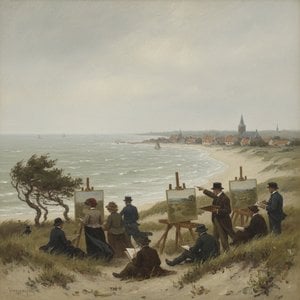
Explore the ethereal beauty of the Hague School art movement. Discover how masters like Jan Weissenbruch captured the atmospheric grey light of the Dutch landscape through unparalleled technique and emotive, misty compositions.

Discover the ethereal beauty of watercolor through an art-historical lens. Master the delicate balance of light, fluidity, and pigment to capture the luminous essence of nature, inspired by the legendary techniques of the Old Masters and Impressionist greats.

An expert guide for art collectors exploring the chemistry and artistry of oil, acrylic, tempera, and watercolor. Discover how medium specificity and material integrity define the longevity and value of fine art masterpieces.

Discover the ethereal beauty of premium watercolor reproductions and bespoke commissions at WahooArt. From museum-quality landscapes to custom AI-enhanced portraits, our master artists deliver unparalleled craftsmanship and white-glove service for discerning collectors worldwide.


 效果预览
效果预览
 分享
分享 分享
分享
 详情
详情 指南
指南

 下载
下载
 相似作品
相似作品 X射线
X射线 幻灯片播放
幻灯片播放 统计数据
统计数据 展开详情
展开详情









 玻璃选项仅适用于110厘米以下的尺寸。


