由我们的艺术家按需定制,为您提供您所选尺寸及画框的布面手工油画。 ( 切换至版画销售渠道 切换至数字图像销售渠道)
从与原作比例一致的预设尺寸中进行选择。

您可以输入自定义尺寸,以适配特定的画框或空间。如果所选尺寸与原图比例不符,我们将通过裁剪作品或添加手绘元素来扩展画面。数字样稿将在制作开始前发送给您确认。
请注意,屏幕预览无法准确反映实际的裁剪或扩展效果,只有样稿才能真实呈现最终的构图。
虽然我们提供定制尺寸服务,但为了保留原作比例,建议您从预设列表中选择尺寸。

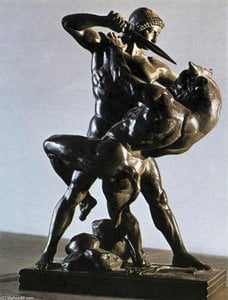
Greyhound Retrieving a Hare
复制品尺寸
Antoine-Louis Barye's “Greyhound Retrieving a Hare” isn’t merely a sculpture; it’s a captured heartbeat. Completed around 1870, this bronze exemplifies the apex of the *animalier* movement – a revolutionary approach to sculpture that sought to transcend mere representation and instead imbue animals with their raw power, instinct, and inherent drama. Barye, often dubbed the “Michelangelo of the Menagerie,” achieved this remarkable feat through an unparalleled understanding of anatomy, coupled with a deeply Romantic sensibility that prioritized emotion over rigid academic constraints.
The scene unfolds with breathtaking immediacy: a greyhound, muscles taut and fur rippling, is in full pursuit. Its body arcs dramatically downwards, its powerful legs propelling it forward with explosive energy. Beneath the dog, a hare – smaller, more compact, and seemingly caught off guard – provides a vital counterpoint to the dynamic action. The composition isn’t static; it's a carefully orchestrated dance of movement, capturing the precise instant before the chase concludes. Barye masterfully uses negative space—the open areas around the figures—to further emphasize their dynamism and create a sense of depth within the sculpture.
Barye’s technical prowess is immediately evident in the exquisite detail of this piece. He was a pioneer of the lost-wax casting process (cire perdue), a method that allowed him to achieve an astonishing level of realism and intricacy. The bronze itself, meticulously crafted, showcases subtle variations in tone – from the deep, lustrous blacks of the dog’s coat to the warmer browns and golds highlighting its musculature. The texture of the fur is remarkably convincing, achieved through careful manipulation of the wax model before casting. Notice, too, the delicate rendering of the hare's paws and ears—a testament to Barye’s painstaking attention to detail.
The sculpture’s surface isn’t smooth; it bears the marks of the casting process – subtle ridges and imperfections that add to its tactile quality. These irregularities are not flaws, but rather evidence of the artist's skill and the inherent beauty of the technique itself. Barye didn’t shy away from showcasing the tools of his trade, believing that the process was as important as the final product.
“Greyhound Retrieving a Hare” is more than just a depiction of a hunt; it's a potent exploration of primal instincts and the eternal struggle between predator and prey. The greyhound, traditionally associated with speed, nobility, and loyalty, embodies the relentless pursuit of instinct. The hare, representing agility, cunning, and vulnerability, becomes a symbol of resistance against overwhelming force. The sculpture taps into deeply rooted human fascination with these themes – the thrill of the chase, the tension between life and death, and the inherent drama of the natural world.
Barye’s work resonates powerfully within the context of Romanticism, a movement that celebrated emotion, individualism, and the sublime. He sought to capture not just the outward appearance of animals but also their inner lives—their passions, fears, and desires. “Greyhound Retrieving a Hare” is a visceral expression of this Romantic ideal, inviting viewers to contemplate the raw beauty and untamed spirit of the animal kingdom.
Originally created as a bronze sculpture, "Greyhound Retrieving a Hare" has been reproduced extensively through hand-painted reproductions. These modern interpretations retain the essence of Barye’s original vision—the dynamic composition, the exquisite detail, and the profound emotional impact. Whether displayed in a private collection or adorning a grand interior space, this artwork continues to captivate audiences with its timeless appeal.

1796 - 1875 , 法国

Discover the enduring allure of bronze sculpture. From the intricate lost-wax process to Neoclassical masterpieces, our expert guide offers connoisseurs deep insights into evaluating patina, historical significance, and integrating metal fine art into sophisticated collections.

Discover the enduring elegance of bronze sculpture. From ancient Roman strength to Art Deco sophistication, explore our expert guide on collecting, casting techniques, and integrating timeless metal masterpieces into your fine art collection.

Discover the enduring allure of bronze sculptures at WahooArt.com. From classical lost-wax casting to modern metal masterpieces, explore museum-quality artworks designed to elevate luxury interiors. Expert curation, authenticity guaranteed, and worldwide shipping for discerning collectors.


 分享
分享 分享
分享
 详情
详情

 下载
下载
 相似作品
相似作品 幻灯片播放
幻灯片播放 统计数据
统计数据

 展开详情
展开详情






































 玻璃选项仅适用于110厘米以下的尺寸。