
博物馆级艺术微喷或帆布版画,制作高效,并提供多种饰面选择。 ( 订购纯手工绘制画作 切换至数字图像销售渠道)





























您可以从与原作比例一致的预设尺寸中进行选择。

请输入您所需的宽度和高度,以适配您的画框或墙面。由于印刷品只能进行裁剪,无法超出原图尺寸,因此若比例不一致,画面的一部分将会被裁切。在正式印刷之前,我们会为您发送一份数字效果图供您确认。本页面显示的图片并非最终裁剪后的效果——只有效果图才能展示真实的裁剪情况。
Self-Portrait in Profile
复刻品尺寸
In the quiet intensity of Annibale Carracci’s Self-Portrait in Profile, we encounter more than just a likeness; we witness the birth of a new era in Italian art. Painted around 1590, this evocative work serves as a profound window into the mind of an artist who sought to bridge the gap between the idealized perfection of the High Renaissance and the raw, breathing naturalism of the Baroque. As the viewer meets his steady, contemplative gaze, there is an immediate sense of intimacy, as if we have stumbled upon a private moment of reflection within the bustling studios of Bologna.
The composition is masterfully stripped of all unnecessary distraction. Carracci presents himself in profile, a choice that evokes the dignity of classical coinage and Renaissance medals, yet he avoids the coldness often associated with such formal poses. Set against a textured, deep red wall, the single figure emerges with a striking presence. This deliberate simplicity directs our entire focus toward the artist’s face—the subtle curve of his nose, the thoughtful set of his brow, and the well-groomed beard that lends him an air of distinguished wisdom. The crimson backdrop does more than provide contrast; it creates a warm, enveloping atmosphere that pushes the subject forward, making the portrait feel remarkably immediate and alive.
Technically, the painting is a triumph of oil on canvas, showcasing Carracci’s exceptional ability to manipulate light and shadow. He employs subtle gradations of tone to sculpt the anatomy of his own face, creating an illusionistic depth that makes the skin appear supple and the features palpable. The white, ruffled sleeves of his shirt catch the light, providing a brilliant counterpoint to the darker, more somber tones of his hair and the background. This interplay of luminosity and shadow—a precursor to the dramatic chiaroscuro that would define the Baroque period—imbues the work with a sense of three-dimensional reality.
Beyond the technical prowess, there is a deep symbolic resonance within this self-examination. During a time when the Mannerist style favored artificiality and elongated, distorted forms, Carracci used his own image to champion humanism. By rendering himself with such anatomical honesty and psychological depth, he asserted that true beauty lies in the truthful observation of nature. The portrait is an embodiment of the Accademia degli Incamminati's mission: to move away from mere imitation and toward a more profound engagement with the human condition.
For the discerning collector or interior designer, Self-Portrait in Profile offers a rare opportunity to possess a piece of art history that is both intellectually stimulating and aesthetically timeless. Its sophisticated color palette—dominated by rich reds, creamy whites, and earthy shadows—allows it to integrate seamlessly into diverse environments, from the stately grandeur of a traditional library to the curated minimalism of a contemporary gallery space.
Choosing a high-quality reproduction of this masterpiece means bringing more than just decoration into a room; it means inviting a sense of quiet contemplation and historical weight. The painting’s emotional impact lies in its ability to command attention through stillness rather than noise, making it an ideal focal point for spaces designed for thought, study, and refined elegance. It remains a powerful testament to the enduring legacy of the Carracci family and the transformative power of the artist's gaze.
"Self-Portrait in Profile" 由 安尼巴莱·卡拉奇 (Ānníbālái·Kǎlāqì) 创作。本页面的信息旨在介绍 安尼巴莱·卡拉奇 (Ānníbālái·Kǎlāqì) 的原作。
安尼巴莱·卡拉奇 (Ānníbālái·Kǎlāqì) 在 Baroque 运动时期创作了《Self-Portrait in Profile》。
“Self-Portrait in Profile”呈现出Amber to Saffron色调。

安尼巴莱·卡拉奇,1560年11月3日出生于博洛尼亚,出身于一个深耕艺术传统的家庭。他的初步训练很可能在家族工作室这个滋养的环境中展开,为他日后深刻重塑意大利绘画格局的职业生涯奠定了基础。当时的博洛尼亚是一个充满活力、思想和艺术激荡的中心,但它与罗马和威尼斯散发出的主流潮流有些距离。这种地方性特征激发了一群年轻艺术家——安尼巴莱、他的兄弟阿戈斯蒂诺以及表弟路多维科——渴望开辟一条新道路,这条道路将通过借鉴文艺复兴大师的同时,拥抱一种更自然主义的方法来振兴意大利艺术。
1582年,这种雄心在建立*Incaminati学院*中得以实现,最初被称为Desiderosi学院。这不仅仅是一个工作室;它是一个艺术创新的熔炉,一个致力于严格的素描、热烈的辩论和集体追求卓越的空间。学院的名字本身——“进步者”——表明了他们的意图:超越风格复杂的矫饰主义,开辟一条通往更扎实、情感共鸣的表现形式的新途径。Incaminati成为欧洲各地艺术学院的典范,强调以生活观察作为艺术训练的基石。
卡拉奇的艺术愿景并非凭空产生;它通过对过去大师遗产的深入参与而精心打造。他具有综合各种影响的能力,创造出一种既根植于传统又极具原创性的风格。 他钦佩拉斐尔和安德烈亚·索托作品中清晰的线条和构图平衡,力求模仿他们的优雅与和谐。 然而,他也认识到威尼斯画家提香所倡导的色彩和氛围效果的力量,将自己的作品注入充满活力、情感深度的光辉。
科雷乔的影响尤为深刻,体现在卡拉奇的动态构图和幻觉技巧中——尤其是在他的壁画中。 他并非简单地复制这些大师;他是在吸收他们的优点并将它们锻造成新的东西。这种折衷融合成为博洛尼亚学派的标志,是巴洛克艺术的一个重要分支,它强调古典理想与自然主义观察。卡拉奇的天才在于他协调看似不同的元素的能力,创造出一种既具有智力严谨性又充满情感力量的和声整体。
受邀装饰罗马法尔内斯宫标志着安尼巴莱·卡拉奇职业生涯中的一个关键时刻。这项纪念性的委托——一个描绘神话场景的大型壁画周期——为他提供了一个无与伦比的机会来展示他的艺术实力并在宏伟的规模上确立他的声誉。《酒神和阿里阿德涅的胜利》,可以说是他的杰作,是对幻觉技巧、动态构图和鲜艳色彩的惊人展示。 壁画似乎消除了绘画与现实之间的界限,将观众带入一个充满神话壮丽的世界。
除了《胜利》之外,卡拉奇还在法尔内斯宫完成了《诸神的爱情》,进一步探索了神话和爱的 themes,融合了古典理想主义和敏锐的观察力。 这些作品不仅仅是装饰性的;它们是对艺术提升人类精神和庆祝自然世界之美的声明。他在罗马的成功巩固了他作为同时代领先艺术家的地位,吸引了一批委托并影响了几代画家。
安尼巴莱·卡拉奇对艺术史的影响是巨大的。 他在文艺复兴后期和巴洛克时期之间发挥了关键作用,摆脱了矫饰主义的风格复杂性,转向一种更动态、情感化的美学。他强调自然主义——以解剖精确度和心理深度描绘人物——为卡拉瓦乔铺平了道路,卡拉瓦乔将通过其戏剧性的光影效果进一步革新意大利绘画。
由卡拉奇及其同事创立的Incaminati学院成为欧洲各地艺术学院的典范,倡导基于观察和古典原则的艺术训练。他在法尔内斯宫的壁画仍然是巴洛克幻觉主义和艺术壮丽的标志性例子,几个世纪以来继续激励着人们的敬畏和钦佩。卡拉奇家族——安尼巴莱、阿戈斯蒂诺和路多维科——的集体遗产是深刻创新和持久影响的遗产,确立了博洛尼亚作为主要的艺术创作中心。
卡拉奇的作品不仅仅是技术技巧;它是关于传达情感、讲述故事和庆祝人类经验。他力求创造既美丽又有意义的艺术作品,能够激发惊叹并引发思考。他的遗产不仅体现在他宏伟的绘画中,还体现在他倡导的持久原则中:对观察的承诺、对传统的尊重以及对艺术改变世界力量的不懈信念。

1560 - 1609 , 意大利

Explore the captivating world of introspective art! Discover how artists across eras – from Rembrandt to Kahlo – used self-portraiture to reveal their inner worlds and emotional depths. A journey through art history & psychology.
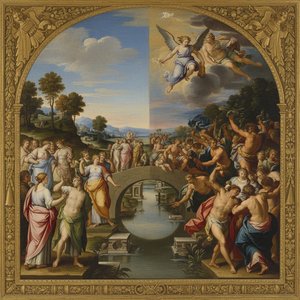
Explore the life & art of Annibale Carracci, a pivotal figure bridging Renaissance ideals with Baroque innovation. Discover his masterpieces and lasting influence on Italian painting.

Explore the rich history of self-representation in art, from Renaissance masters to modern innovators. Discover how artists use portraiture to reveal identity, emotion & the depths of the human psyche. Expert insights for collectors.

Explore the fascinating history of self-portraiture from Renaissance masters like Dürer & Rembrandt to modern interpretations. Discover the psychological insights and artistic techniques behind these iconic works. Expert analysis for art enthusiasts.

Explore the rich symbolism of the red dress in art history! From ancient power displays to iconic portraits like Cézanne’s 'Madame Cezanne', discover the cultural and artistic significance behind this captivating color. Expert analysis & insights.

 实景预览
实景预览
 分享
分享 分享
分享
 详情
详情 指南
指南

 下载作品
下载作品
 相似作品
相似作品 X射线
X射线 幻灯片播放
幻灯片播放 问答
问答
 统计数据
统计数据


 展开全文
展开全文









 玻璃选项仅适用于110厘米以下的尺寸。


