
博物馆级艺术微喷或帆布版画,制作高效,并提供多种饰面选择。 ( 订购此收藏品的纯手工复刻画作 切换至数字图像销售渠道)
您可以从与原作比例一致的预设尺寸中进行选择。

请输入您所需的宽度和高度,以适配您的画框或墙面。由于印刷品只能进行裁剪,无法超出原图尺寸,因此若比例不一致,画面的一部分将会被裁切。在正式印刷之前,我们会为您发送一份数字效果图供您确认。本页面显示的图片并非最终裁剪后的效果——只有效果图才能展示真实的裁剪情况。
Untitled (833)
复刻品尺寸说明

In the golden age of Flemish painting, when the salt spray of the North Sea met the burgeoning maritime power of the Low Countries, one artist emerged to capture the untamed spirit of the ocean. Andries van Eertvelt, born in Antwerp in 1590, was not merely a painter of water and wind; he was a pioneer who redefined the boundaries of marine art. While his contemporaries often focused on the terrestrial triumphs of portraiture or religious devotion, van Eertvelt turned his gaze toward the horizon, finding profound drama in the churning waves, the creaking timber of Dutch ships, and the perilous beauty of naval warfare.
Van Eert velt’s journey began in the heart of Antwerp, a city pulsating with artistic energy. Baptized in the magnificent Antwerp Cathedral, his early years were steeped in the traditions of the Guild of St. Luke, where he officially registered as a master in 1609. Though the records of his formal apprenticeship remain lost to time, his technical prowess suggests a rigorous foundation in the Flemish tradition. His life, however, was marked by both personal tragedy and profound wanderlust. Following the death of his wife, Catherine de Vlieger, in the mid-1620s, van Eertvelt embarked on a transformative journey through Italy. Accompanied by his pupil, Matthieu van Plattenberg, he found himself in Genoa between 1628 and 1630, living alongside the renowned marine artist Cornelis de Wael. This period of Mediterranean exposure likely infused his work with a new understanding of light and atmosphere, bridging the gap between the rugged Northern maritime style and the luminous sensibilities of the South.
The true genius of van Eertvelt lies in his ability to translate the chaotic energy of the sea into a structured, emotive visual narrative. He was one of the first Flemish artists to specialize specifically in marine subjects, moving beyond mere background scenery to make the ocean the central protagonist of his canvases. His work often oscillates between two distinct modes: the terrifying intensity of naval combat and the serene, yet powerful, majesty of the open sea.
In his depictions of battle, such as the epic The Battle of Lepanto or his visceral Sea Battle, the viewer is thrust into the heart of the conflict. Here, the artist employs a masterful command of Baroque dynamism, using thick textures and dramatic lighting to convey the smoke of cannon fire, the splintering of masts, and the desperate struggle of sailors amidst the waves. Conversely, in works like Two Ships at Anchor, he demonstrates an incredible capacity for stillness and realism. In these compositions, the focus shifts to the subtle play of light upon calm waters and the meticulous detail of the vessels, showcasing a profound respect for the technical anatomy of the ships that defined his era.
His artistic repertoire was remarkably diverse, encompassing:
The historical importance of Andries van Eertvelt cannot be overstated. By carving out a specialized niche within the Flemish school, he laid the groundwork for generations of marine painters who would follow in his wake. He transformed the sea from a mere setting into a psychological landscape capable of expressing human vulnerability and triumph. His ability to blend the meticulous detail required by the Northern tradition with the dramatic, theatrical flair of the Baroque movement allowed him to create works that were both intellectually stimulating and emotionally resonant.
As a master, draughtsman, and engraver, his influence extended far beyond his own brushstrokes; many of his pupils went on to become prominent figures in the maritime art world, ensuring that his vision of the sea continued to evolve. Today, when we look upon a van Eertvelt seascape, we are not just looking at water and wood; we are witnessing the birth of a genre. His legacy remains etched in the salt-stained canvases of history, reminding us of a time when the mastery of the elements was the ultimate frontier of artistic expression.

1590 - 1652 , Belgium

深入探索17世纪巴洛克古典主义艺术的戏剧性与秩序之美。卡拉瓦乔、鲁本斯等大师作品解析,揭秘宗教改革下的艺术策略,并了解凡尔赛宫的辉煌历史。WahooArt.com为您提供专业的艺术鉴赏与定制服务。

Explore the rich history & enduring techniques of oil painting on canvas. Discover the science behind its longevity, conservation practices, and contemporary relevance. Expert insights for art enthusiasts.

探索伦勃朗25幅杰作,领略荷兰黄金时代光影大师的艺术传奇!从《夜巡》到自画像,深入了解巴洛克艺术、历史绘画与人物肖像背后的故事。WahooArt.com提供高清艺术复制品及家居装饰灵感。立即探索完整系列!
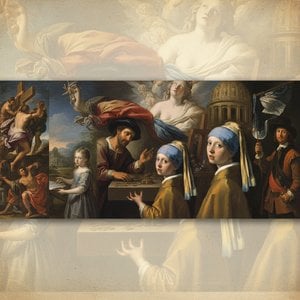
探索巴洛克艺术的辉煌!本文精选十部巨作,带您领略卡拉瓦乔、伦勃朗等大师的光影魔法与戏剧张力。从黄金时代到宗教绘画,感受奢华与精致。WahooArt.com为您提供博物馆品质的艺术复制品和家居装饰灵感。尽在WahooArt.com!
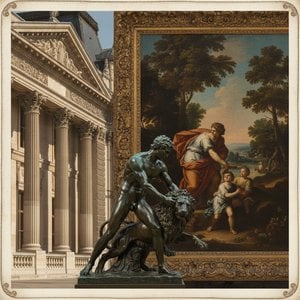
Explore the profound elegance of Baroque Classicism. Discover how 17th-century masters synthesized dramatic emotion with classical order through the lens of the Counter-Reformation and the works of legends like Carlo Maratta and Andrea Sacchi.


 实景预览
实景预览
 发送
发送 分享
分享
 详情
详情 指南
指南

 下载图片
下载图片
 相似作品
相似作品 X射线
X射线 幻灯片播放
幻灯片播放 统计数据
统计数据
 阅读全文
阅读全文






































 玻璃选项仅适用于110厘米以下的尺寸。


