获取远超网页预览效果的印刷级文件。我们销售的每一张数字图像均源自库存数据库中的高分辨率母版——宽度通常在 5,000 至 15,000 像素之间——因此您可以放心地进行大幅打印、局部裁剪或还原细腻的细节。
每一件作品在离开我们的工作室前都经过了精心的处理。数字影像专家会对照原作核对色彩,并在必要时进行校正,随后利用专业修图工具提升清晰度与细节表现——且始终忠实于艺术家的笔触与风格。最终呈现的图像宛如原作本身,而非仅仅是一张加了滤镜的扫描件。
您可以在最终定稿前进行审核:我们的专家将在 72 小时内通过电子邮件向您发送图像以供审阅。如果不满意?您可以要求改进或修正;若质量未达预期,亦可申请退款。
这也是出版商、设计工作室、画廊及印刷厂所信赖的品质。
选择 WahooArt.com,您获得的不仅仅是一张图像——您收到的是经过专业级增强、精雕细琢的数字艺术作品,并享有满意保证。以下是您的订单中自动包含的所有内容:
您的高分辨率数字图像文件将在下单后 72 小时内通过电子邮件发送给您 —— 即可立即使用。
您的艺术品经过专业优化,结合先进的 AI 技术与人工修饰,确保呈现极致的细节、清晰度与色彩准确度。
不小心删除了文件或找不到了?没关系——我们将随时为您免费重发。
即刻拥有您的艺术作品,无需支付任何关税、税费或运费——数字下载始终免税。
我们通过专业工具与色彩管理技术,确保您的数字图像尽可能真实地还原原作色彩。
如果您对所购数字图像不满意,我们将在100天内为您进行修改或提供100%的全额退款——无需任何理由。
不满意?在收到数字文件后的100天内,您可以申请全额退款——无需任何理由。
购买 3 张享 10% 折扣 - 购买 5 张享 15% 折扣 - 购买 10 张以上享 20% 折扣。非常适合创意项目、画廊及机构使用。
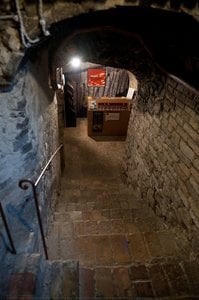
Andreas Golinski 的《Hochpacker》 描绘了 wooden pallets, storage area, stacked wood, wood texture, warehouse setting,营造出 Industrial 的意境。其主题与氛围共同构成了这件作品的精髓。
Andreas Golinski 的《Hochpacker》 属于 Contemporary Realism 流派,该流派为这件作品提供了风格背景。
您可以在 Andreas Golinski 的《Hochpacker》 的 高分辨率数字图像 页面购买其数字图像:高分辨率数字图像下载。

Born in Essen, Germany, Andreas Golinski has developed a profound artistic language that explores the delicate and often turbulent intersection between individual identity and the crushing weight of industrial mechanisms. His work serves as a poignant meditation on the alienation inherent in modern existence, where the boundaries of the self are frequently eroded by the relentless momentum of production and social structures. Through his lens, the artist examines how the contemporary world can strip away cultural roots and personal history, leaving behind a state of precariousness that affects both the individual and the collective.
Golinski’s creative process is deeply rooted in observation and a commitment to understanding the relational models of our society. His explorations often draw from direct engagement with the realities of labor and survival. For instance, his project Hochpacker emerged from a period spent in Essen, where he observed the lives of workers navigating the complexities of shared existence within industrial frameworks. This immersion allowed him to translate the sensory experience of production into an articulate, labyrinthine itinerary of claustrophobic corridors. By utilizing materials such as piled-up pallets, he creates a physical manifestation of the sensation of progressive alienation, forcing the spectator to confront the loss of intimacy and specific characteristics that occurs within large-scale social mechanisms.
The core of Golinski’s significance lies in his ability to use metaphor to highlight the compulsive models of cohabitation that define our era. His work delves into the tension between a longing for individuality and the necessity of participating in a flexible, yet often indifferent, collectivity. He addresses the modern struggle of maintaining one's essence amidst:
In his practice, categorized within Contemporary Realism, Golinski does not merely document these struggles but reconstructs them into a visceral experience. His installations and works act as mirrors to the contemporary condition, reflecting the ways in which man’s most intimate nature is challenged by the structures of modern commerce and industry. Through this evocative approach, he invites viewers to contemplate the enduring relevance of human agency in an age of systemic uncertainty.

1979 - , Germany


 实景预览
实景预览
 切换至版画销售渠道
 分享
分享 分享
分享
 详情
详情 指南
指南

 下载作品
下载作品
 相似作品
相似作品 X射线
X射线 幻灯片播放
幻灯片播放 Q&A
Q&A 统计数据
统计数据


 展开全文
展开全文