
由我们的艺术家按需定制,为您提供您所选尺寸及画框的布面手工油画。 ( 切换至版画销售渠道 切换至数字图像销售渠道)





























从与原作比例一致的预设尺寸中进行选择。

您可以输入自定义尺寸,以适配特定的画框或空间。如果所选尺寸与原图比例不符,我们将通过裁剪作品或添加手绘元素来扩展画面。数字样稿将在制作开始前发送给您确认。
请注意,屏幕预览无法准确反映实际的裁剪或扩展效果,只有样稿才能真实呈现最终的构图。
虽然我们提供定制尺寸服务,但为了保留原作比例,建议您从预设列表中选择尺寸。

untitled (2659)
复制品尺寸
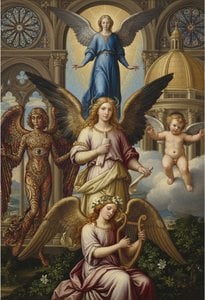
The fragment of fresco attributed to Andrea Mantegna, designated simply as “untitled (2659),” offers a captivating glimpse into the artist's masterful command of Renaissance painting. Though its original context remains shrouded in mystery – size and precise date unknown – the surviving image transports us to a realm of ethereal beauty, populated by angels and cherubs amidst swirling clouds. It’s a scene brimming with spiritual energy, rendered with the meticulous detail and dramatic perspective that define Mantegna's unique style.
Mantegna was deeply influenced by his early training under Francesco Squarcione, who prioritized the study of classical antiquity over traditional painting techniques. This immersion in Roman art instilled in Mantegna a profound appreciation for sculptural form, archaeological accuracy, and illusionistic space. We see these qualities beautifully manifested in this fresco fragment. The angels aren’t merely decorative figures; they possess a weight and solidity reminiscent of ancient statuary, their forms carefully modeled with light and shadow. Some are depicted holding bows and arrows – symbols often associated with divine power and the defense of faith – suggesting a narrative element perhaps relating to a celestial battle or protective guardianship. The inclusion of cherubs further enhances the heavenly atmosphere, adding layers of innocence and grace to the composition.
Mantegna’s skill in trompe-l'oeil is subtly present even within this fragment. The clouds aren’t simply painted representations; they seem to recede into space, creating a sense of depth that draws the viewer into the scene. This illusionistic effect was a hallmark of his work, and he employed it frequently to blur the boundaries between reality and representation. The bird soaring in the upper right corner adds an unexpected touch of naturalism, grounding the celestial vision with a fleeting moment of earthly life. It’s a detail that speaks to Mantegna's keen observation of the world around him, even as he sought to transcend it through his art.
Considering Mantegna’s broader oeuvre, particularly works like the “Lamentation over the Dead Christ,” we can appreciate how this fresco fragment aligns with his characteristic emotional intensity and dramatic perspective. While the "Lamentation" is known for its stark realism and poignant depiction of grief, this angelic scene evokes a sense of awe and reverence. Both pieces, however, demonstrate Mantegna’s ability to create powerfully moving images that resonate deeply with the viewer. The enduring appeal of his work lies in his unique blend of classical rigor, innovative technique, and profound humanism – qualities that continue to inspire artists and captivate audiences centuries later.
For those seeking to bring a touch of Renaissance grandeur into their homes or collections, a hand-painted reproduction of this angelic fresco offers an opportunity to own a piece of art history. The delicate interplay of light and shadow, the graceful forms of the angels, and the overall sense of celestial harmony would make it a stunning focal point in any interior space – a testament to Mantegna’s enduring legacy as one of the greatest masters of the Italian Renaissance.


1431 - 1506 , 意大利

Discover the timeless art of fresco painting. Explore the profound history, technical mastery of buon fresco, and the enduring legacy of Renaissance masters like Michelangelo in this expert guide to painting on wet plaster.
Explore the profound beauty of angelic figures in art history. From Renaissance masterpieces to celestial symbolism, our expert guide offers a sophisticated journey through the divine imagery of the Old Masters for discerning collectors and art enthusiasts.

Explore the profound mastery of fresco painting, from the technical alchemy of buon fresco to the legendary narratives of Renaissance masters like Ghirlandaio. Discover how this timeless medium shaped art history and continues to inspire architectural grandeur today.

Explore the profound beauty of the Italian Renaissance. From Raphael's divine frescoes to Michelangelo's anatomical mastery, discover how this era of classical grandeur and humanistic ideals continues to inspire the world's most sophisticated art collectors and designers.


 效果预览
效果预览
 分享
分享 分享
分享
 详情
详情

 下载
下载
 相似作品
相似作品 X射线
X射线 幻灯片播放
幻灯片播放 统计数据
统计数据

 展开详情
展开详情









 玻璃选项仅适用于110厘米以下的尺寸。


