博物馆级艺术微喷或帆布版画,制作高效,并提供多种饰面选择。 ( 购买手绘画作 切换至数字图像销售渠道)





























从与原作比例一致的预设尺寸中进行选择。

您可以输入自定义尺寸,以适配特定的画框或空间。如果您选择的尺寸与原图比例不符,我们将对作品进行裁剪,或通过镜像填充/纯色填充边缘的方式来扩展图像。在开始制作之前,我们会向您发送一份数字效果图供您确认。
请注意,屏幕上的预览并不能反映实际的裁剪或扩展效果。只有效果图才能准确展示最终的构图。
虽然我们提供定制尺寸,但为了保持原图比例,我们建议您从预设列表中选择尺寸。

Calvaria
复制品尺寸
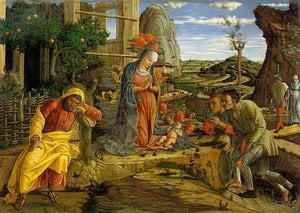
Andrea Mantegna's Calvaria, a profoundly moving depiction of the crucifixion, isn't merely a religious image; it is a testament to a revolutionary artistic spirit. Born in 1431 near Padua, Mantegna forged his own path through the early Renaissance, rejecting the prevailing trends and instead immersing himself in the tangible remnants of Rome’s glorious past. This dedication to archaeological accuracy – fueled by his formative years under Francesco Squarcione, a man who treated his workshop as an academy for Roman studies – resulted in a work that feels less like a painting and more like a meticulously reconstructed fragment of antiquity brought vividly to life. The sheer physicality of the figures, their sculpted forms echoing the statues Mantegna would have studied, immediately establishes a powerful connection with classical art, yet this isn’t a simple imitation; it's an intensely personal interpretation.
Calvaria is dominated by its unflinching portrayal of Christ’s crucifixion. The scene unfolds with a stark realism, focusing on the central figure suspended from the cross – Jesus himself – surrounded by a carefully rendered group of onlookers. Mantegna's mastery of perspective is immediately apparent; he employs a dramatic foreshortening that draws the viewer into the heart of the event, creating an almost overwhelming sense of immediacy. The inclusion of at least thirteen figures, including disciples and mourners, adds to the scene’s emotional weight and underscores the scale of this pivotal moment in Christian history. The artist's deliberate arrangement isn't simply a depiction of a biblical event; it’s a carefully constructed narrative designed to evoke profound contemplation.
Beyond its religious subject matter, Calvaria is rich with symbolic meaning deeply rooted in the artistic and intellectual currents of Mantegna's time. The mountainous landscape behind the scene isn’t a naturalistic backdrop but a deliberate reference to the Roman world – specifically, the Appian Way, a major thoroughfare that served as a stage for countless processions and public spectacles. This association elevates the crucifixion to a grand, almost theatrical event, reminiscent of Roman triumphal processions. The figures themselves are rendered with a classical dignity, reflecting Mantegna’s belief in the enduring relevance of ancient virtues and ideals. The use of muted colors – predominantly earth tones – further reinforces this connection to antiquity, creating a sense of timelessness and solemnity.
Mantegna's technique is characterized by its meticulous attention to detail and his ability to convey both physical realism and profound emotional intensity. The artist’s use of *terrazzo* – a technique involving the layering of colored plaster – creates a remarkable sense of depth and texture, further enhancing the sculptural quality of the figures. The faces of the mourners are particularly expressive, conveying a range of emotions from grief to concern. Calvaria remains a powerful testament to Mantegna’s artistic genius and his unwavering commitment to reviving the spirit of antiquity. Its enduring impact lies not only in its technical brilliance but also in its ability to evoke a deeply felt sense of human tragedy and spiritual reflection.

1431 - 1506 , 意大利

Explore 10 dramatic artworks by masters like Caravaggio, Van Gogh & Munch. Uncover the stories behind these powerful paintings and find museum-quality reproductions to transform your home decor. Discover all masterpieces on .

探索埃尔·格列柯25幅杰作,领略这位西班牙画家巴洛克风格的宗教绘画魅力。从《圣塞巴斯蒂安》到《沉思者》,感受信仰与艺术的交融。WahooArt.com提供高品质油画复制品,为您的家居装饰增添经典之美!探索完整系列作品。

Explore the rich history of religious painting with WahooArt.com! Discover iconic artworks, symbolism & techniques from antiquity to the Renaissance. Enhance your art appreciation today.

深入探索巴洛克艺术的辉煌历史、独特风格与持久影响。了解卡拉瓦乔、贝尼尼等大师的作品,洞悉反宗教改革运动下的艺术变革。WahooArt.com为您提供专业的艺术解读与高清画作欣赏。

深入探索西班牙巴洛克艺术的辉煌时代!从反宗教改革到鲁本斯、维米尔等大师的作品,解读信仰、戏剧与黄金时代的重塑。WahooArt.com提供精美油画复制和专业艺术咨询。


 效果预览
效果预览
 分享
分享 分享
分享
 详情
详情

 下载
下载
 相似作品
相似作品 X射线
X射线 幻灯片播放
幻灯片播放 统计数据
统计数据
 展开详情
展开详情









 玻璃选项仅适用于110厘米以下的尺寸。