
博物馆级艺术微喷或帆布版画,制作高效,并提供多种饰面选择。 ( 订购纯手工绘制画作 切换至数字图像销售渠道)





























您可以从与原作比例一致的预设尺寸中进行选择。

请输入您所需的宽度和高度,以适配您的画框或墙面。由于印刷品只能进行裁剪,无法超出原图尺寸,因此若比例不一致,画面的一部分将会被裁切。在正式印刷之前,我们会为您发送一份数字效果图供您确认。本页面显示的图片并非最终裁剪后的效果——只有效果图才能展示真实的裁剪情况。
The Lighthouse at Collioure
复刻品尺寸
André Derain’s “The Lighthouse at Collioure,” painted in 1905, isn't merely a depiction of a coastal scene; it’s an immersive experience—a vibrant explosion of color and movement that encapsulates the heart of the Fauvist movement. Housed within the Musée d’art Moderne de la Ville de Paris, this oil on canvas transports the viewer to the picturesque harbor village of Collioure in southern France, capturing not just a landscape but also a fleeting moment of intense feeling. The painting immediately assaults the senses with its audacious palette: searing yellows and oranges dominate the sky and buildings, juxtaposed against deep ultramarine blues and greens of the sea and surrounding vegetation. This deliberate departure from naturalistic color was a defining characteristic of Fauvism – a rebellion against academic tradition where color served not to represent reality but to express emotion directly.
Derain’s technique is equally striking. He employs loose, expressive brushstrokes, applying paint with a visible and energetic hand. The forms are simplified and flattened, prioritizing the impact of color and light over meticulous detail. Notice how he uses broken color—small dabs of contrasting hues layered upon each other—to create shimmering effects on the water and to suggest the play of sunlight. This technique, combined with his use of bold outlines, contributes to a sense of dynamism and immediacy, as if the scene is constantly shifting and evolving before our eyes. The lighthouse itself, rendered in stark white against the vibrant backdrop, acts as a focal point, drawing the viewer’s gaze into the heart of the composition.
To understand “The Lighthouse at Collioure,” it’s crucial to grasp the context of its creation. The late 1890s and early 1900s witnessed a profound shift in artistic sensibilities, fueled by advancements in color theory and a growing dissatisfaction with the constraints of academic art. Derain, along with Henri Matisse, spearheaded the Fauvist movement – a short-lived but hugely influential period characterized by its unrestrained use of color, often divorced from naturalistic representation. The term “Fauves” (wild beasts) was initially applied derisively by critic Louis Vauxcelles, reflecting the critics’ perception of the artists' work as chaotic and primitive. However, the Fauves embraced this label, recognizing it as a badge of rebellion against established artistic norms.
The painting reflects the Fauvist fascination with light and atmosphere. Derain wasn’t simply recording what he saw; he was attempting to capture the *feeling* of being present in that particular moment – the warmth of the sun, the freshness of the sea air, the vibrant energy of the harbor. The inclusion of multiple smaller lighthouses scattered throughout the scene adds a layer of complexity and reinforces this sense of movement and visual richness. The composition itself is deliberately unbalanced, creating a dynamic tension that mirrors the emotional intensity of the subject matter.
Beyond its purely aesthetic qualities, “The Lighthouse at Collioure” carries significant symbolic weight. The lighthouse, a traditional symbol of guidance and safety, can be interpreted as representing hope and stability amidst the chaos of life. Its stark white form stands in contrast to the swirling colors of the surrounding landscape, suggesting a desire for clarity and direction. The harbor itself, with its bustling activity and diverse elements – boats, buildings, people – embodies the complexities and contradictions of human experience. The painting’s overall mood is one of joyful exuberance tempered by a subtle undercurrent of melancholy—a recognition that even in moments of beauty and vibrancy, there exists an underlying sense of transience.
The choice of Collioure as the setting for this pivotal work is also noteworthy. The village, with its distinctive architecture and stunning coastal scenery, provided Derain with a perfect canvas for his artistic experiments. It was a place where he could freely explore color and form without the constraints of traditional expectations. “The Lighthouse at Collioure” remains a powerful testament to Derain’s genius—a vibrant celebration of light, color, and emotion that continues to captivate viewers over a century later.
安德烈·德兰 (Āndéliè Délán) 的《The Lighthouse at Collioure》 的建议打印尺寸为 Medium。
安德烈·德兰 (Āndéliè Délán) 的《The Lighthouse at Collioure》 的色彩饱和度为 Vivid Color。
您可以在 巴黎市立现代艺术博物馆, 巴黎, 法国 欣赏到原件《The Lighthouse at Collioure》。


1880 - 1954 , 法国

Discover the breathtaking allure of Art Deco. Explore the era's iconic geometry, legendary designers like Erté, and timeless glamour. Perfect for discerning collectors seeking to infuse their spaces with sophisticated modernist elegance and historical prestige.
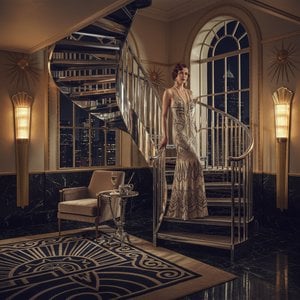
Discover the allure of Art Deco style with our expert guide to luxury interiors. Explore iconic influences from Erté to Jean Dunand and learn to curate a sophisticated space filled with timeless glamour and geometric elegance.

探索印象派与后印象派的艺术革命。本文深度解析莫内、梵高、塞尚等大师如何通过光影与色彩重塑现代美学。作为全球领先的艺术品交易平台,WahooArt为您呈现博物馆级的纯手工油画复刻,以精湛技艺捕捉名画神韵,为您的私人收藏与高端空间装饰注入永恒的艺术灵魂。

Discover the unparalleled elegance of Art Deco through the lens of Erté. Explore a masterclass in linear precision, theatrical costume design, and high-fashion illustration that continues to define modern luxury and sophisticated interior aesthetics.
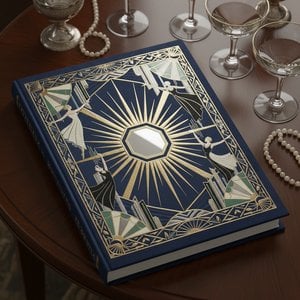
Discover the allure of Art Deco through a curated guide to its most iconic masterpieces. Explore the elegance of Erté and the innovation of Jean Dunand, perfect for collectors seeking timeless glamour and sophisticated design inspiration.

 实景预览
实景预览
 分享
分享 分享
分享
 详情
详情 指南
指南

 下载作品
下载作品
 相似作品
相似作品 X射线
X射线 幻灯片播放
幻灯片播放 Q&A
Q&A 统计数据
统计数据


 展开全文
展开全文









 玻璃选项仅适用于110厘米以下的尺寸。


