
x


 Oil On PanelFauvism
 1929
1929 50.0 x 36.0 cm
 Fitzwilliam 学院




























从与原作比例一致的预设尺寸中进行选择。

您可以输入自定义尺寸,以适配特定的画框或空间。如果您选择的尺寸与原图比例不符,我们将对作品进行裁剪,或通过镜像填充/纯色填充边缘的方式来扩展图像。在开始制作之前,我们会向您发送一份数字效果图供您确认。
请注意,屏幕上的预览并不能反映实际的裁剪或扩展效果。只有效果图才能准确展示最终的构图。
虽然我们提供定制尺寸,但为了保持原图比例,我们建议您从预设列表中选择尺寸。

Madame Van Leer
复制品尺寸
André Derain's "Madame Van Leer," painted in 1929, is more than just a portrait; it’s a vibrant distillation of the Fauvist movement and a captivating glimpse into the social life of early 20th-century Paris. This oil on panel work, currently residing at the Fitzwilliam Museum in Cambridge, immediately assaults the senses with its audacious color palette – a deliberate rejection of academic realism in favor of emotional expression. Derain, a key figure alongside Matisse in establishing Fauvism, wasn’t interested in faithfully representing his subject; instead, he sought to capture her essence through intense hues and dynamic brushstrokes.
The painting depicts Madame Van Leer, a woman of considerable social standing, seated with an air of quiet confidence. Her red dress, rendered in fiery oranges and deep crimsons, dominates the composition, drawing the eye immediately. This bold color choice isn’t merely decorative; it speaks to the energy and vibrancy that characterized the Fauvist period. Derain employed a technique known as “divisionism,” breaking down colors into small, distinct strokes – a method he had initially adopted from Seurat but pushed to its most expressive limits. Notice how the red is not blended smoothly, but rather layered with yellows, blues, and greens, creating an almost shimmering effect that seems to pulsate with life.
Understanding “Madame Van Leer” requires a brief context of 1920s Paris. The city was undergoing rapid social and artistic transformation following the devastation of World War I. Artists, eager to break free from the constraints of traditional art, flocked to Montmartre, seeking inspiration in the bohemian atmosphere and experimenting with new forms of expression. Derain’s work reflects this spirit of innovation and a fascination with the changing face of Parisian society. The subject herself, Madame Van Leer, was a prominent figure in artistic circles, known for her patronage of the arts and her sophisticated social life.
The painting offers a subtle commentary on the role of women in that era. While outwardly composed and elegant, there’s an underlying sense of introspection in Madame Van Leer's gaze. She isn’t simply posing for the portrait; she seems to be contemplating something beyond the immediate scene. This ambiguity adds another layer of complexity to the work, inviting viewers to project their own interpretations onto the image.
Beyond its social context, “Madame Van Leer” is a masterclass in Fauvist technique. Derain’s use of color isn't arbitrary; it’s deeply symbolic. The vibrant reds evoke passion and energy, while the cooler blues and greens suggest tranquility and introspection. He deliberately distorted forms to heighten their emotional impact, prioritizing visual sensation over realistic representation. The simplified shapes and flattened perspective contribute to a sense of immediacy and directness – as if we are witnessing a fleeting moment captured in paint.
Furthermore, Derain’s brushwork is remarkably expressive. The thick, visible strokes create a tactile quality that invites the viewer to engage with the painting on a physical level. The layering of colors and the dynamic application of paint contribute to the overall sense of movement and vitality. It's important to note that after 1910, Derain moved away from the most extreme Fauvist palette, incorporating influences from Cézanne and the Old Masters, but “Madame Van Leer” remains a powerful example of his early experimentation with color and form.
“Madame Van Leer” is more than just a beautiful painting; it’s a testament to the transformative power of art. It captures not only the likeness of a woman but also the spirit of an era – a time of innovation, experimentation, and social change. The bold colors, expressive brushwork, and subtle symbolism combine to create a work that continues to resonate with viewers today. Reproductions of this iconic painting offer a chance to bring a touch of Parisian elegance and Fauvist vibrancy into any space, serving as a reminder of the enduring legacy of André Derain’s artistic vision.


1880 - 1954 , 法国

Discover the breathtaking allure of Art Deco. Explore the era's iconic geometry, legendary designers like Erté, and timeless glamour. Perfect for discerning collectors seeking to infuse their spaces with sophisticated modernist elegance and historical prestige.
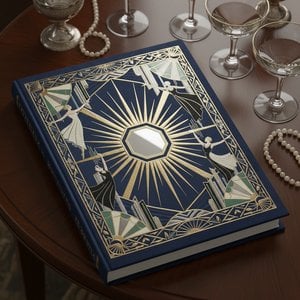
Discover the allure of Art Deco through a curated guide to its most iconic masterpieces. Explore the elegance of Erté and the innovation of Jean Dunand, perfect for collectors seeking timeless glamour and sophisticated design inspiration.
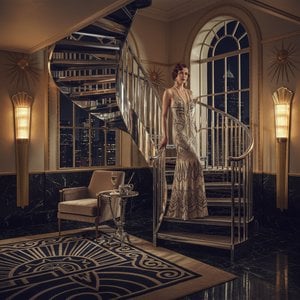
Discover the allure of Art Deco style with our expert guide to luxury interiors. Explore iconic influences from Erté to Jean Dunand and learn to curate a sophisticated space filled with timeless glamour and geometric elegance.

Discover the unparalleled elegance of Art Deco through the lens of Erté. Explore a masterclass in linear precision, theatrical costume design, and high-fashion illustration that continues to define modern luxury and sophisticated interior aesthetics.


第一时间获取最新的艺术新闻、独家优惠及装饰灵感。
向我们介绍您的项目需求,我们的艺术专家将为您提供 3 个个性化的艺术品推荐。
由我们的专家为您精选 3 款心仪之作 —— 完全免费!


 效果预览
效果预览
 购买手绘画作
 分享
分享 分享
分享
 详情
详情

 下载
下载
 相似作品
相似作品 X射线
X射线 幻灯片播放
幻灯片播放 展开详情
展开详情









 玻璃选项仅适用于110厘米以下的尺寸。


