
博物馆级艺术微喷或帆布版画,制作高效,并提供多种饰面选择。 ( 订购纯手工绘制画作 切换至数字图像销售渠道)





























您可以从与原作比例一致的预设尺寸中进行选择。

请输入您所需的宽度和高度,以适配您的画框或墙面。由于印刷品只能进行裁剪,无法超出原图尺寸,因此若比例不一致,画面的一部分将会被裁切。在正式印刷之前,我们会为您发送一份数字效果图供您确认。本页面显示的图片并非最终裁剪后的效果——只有效果图才能展示真实的裁剪情况。
Curandera
复刻品尺寸
In the evocative painting Curandera, Amalia Mesa-Bains invites the viewer into a sanctuary of healing and cultural memory. The scene unfolds within a verdant, emerald-toned room, where the atmosphere is thick with the scent of herbs and the weight of ancestral wisdom. At the heart of this composition stands the Curandera—a traditional healer—positioned beside a table laden with the tools of her sacred craft. Bottles of tinctures, ancient books, and ritualistic objects are meticulously arranged, suggesting a lifetime of gathered knowledge and spiritual practice. The presence of other figures, partially veiled in the periphery of the room, creates a sense of communal ritual, transforming the space from a mere domestic setting into a profound site of spiritual intercession.
Mesa-Bains utilizes her mastery of composition to guide the eye through this intimate landscape of devotion. The deep greens of the walls and furniture do more than provide a backdrop; they establish an organic, life-giving environment that mirrors the restorative nature of the healer herself. Through a delicate balance of light and shadow, the artist illuminates the textures of the objects on the table, lending them a tactile reality that makes the viewer feel as though they could reach out and touch the glass of a potion bottle or the weathered parchment of a medicinal text. This painterly approach creates a bridge between the physical world and the metaphysical realm, making the unseen spiritual forces palpable.
Beyond its visual beauty, Curandera serves as a powerful vessel for cultural reclamation. As a pivotal figure in Chicana art, Mesa-Bains weaves together the threads of Mexican American women’s spirituality and feminist identity. The altar-like arrangement of the table is not merely a collection of items but a symbolic landscape representing the intersection of memory, ritual, and resistance. Each element—the books, the bottles, the quiet presence of the community—acts as a testament to the enduring strength of feminine lineages that have preserved healing traditions through generations of displacement and change.
For the discerning collector or interior designer, this piece offers more than just aesthetic elegance; it provides a profound emotional resonance. The painting possesses a quiet, contemplative energy that can anchor a room, offering a sense of peace and groundedness. Whether placed in a private study, a curated gallery, or a sophisticated living space, Curandera acts as a conversation piece that celebrates the sanctity of heritage and the enduring power of the human spirit to heal and remember.
您可以在作品的效果预览页面查看Amalia Mesa-Bains 的《Curandera》的预览。
《Amalia Mesa-Bains 的《Curandera》》所传达的意境为Mystical,其情感基调为Spiritual。
建议将“Curandera”用于Cultural,推荐摆放空间为Coffee Shop。

Amalia Mesa-Bains stands as a pivotal figure in Chicana art, recognized for her groundbreaking approach to visual storytelling through monumental altar installations that delve into the profound intersection of Mexican American women’s spiritual practices and broader cultural narratives. Born in 1943 in Santa Clara, California, Mesa-Bains's artistic journey was shaped by a unique blend of academic rigor and deep-rooted cultural traditions. Her formal training began with painting at San Jose State University, but it was her subsequent studies in interdisciplinary studies and clinical psychology at San Francisco State University and Berkeley’s Wright Institute that provided the intellectual scaffolding for her conceptual explorations. This multidisciplinary background allowed her to approach art not merely as a visual medium, but as a psychological and sociological tool capable of excavating layers of identity and historical trauma.
The formative years of Mesa-Bains were steeped in the vibrant cultural landscape of California’s Mexican American community, where the boundaries between the sacred and the everyday are often beautifully blurred. Growing up amidst traditions rooted in Catholicism and indigenous beliefs—particularly the veneration of la Virgen de Guadalupe—influenced her artistic vision from its inception. Her early career saw her making marks on the San Francisco art scene, notably with her debut at the 1967 Phelan Awards show. However, a transformative shift occurred in 1975 when she began engaging deeply with altar iconography. This period marked the birth of her signature style: the creation of ofrendas and installations that serve as meticulously crafted representations of faith, remembrance, and feminist reclamation.
For Mesa-Bains, the altar is far more than a decorative object; it is a site of ritualistic performance and a vessel for cultural memory. Her installations often function as Wunderkammer—or cabinet of curiosities—where disparate elements are brought together to create a cohesive narrative of heritage. She masterfully incorporates symbolic materials that bridge the gap between the physical and the spiritual, using items such as:
Through these elements, her work—such as the evocative Curandera—captures the essence of spiritual healing and the role of the healer within the community. Her pieces do not merely sit in a gallery space; they invite the viewer into a sacred encounter, demanding an engagement with the complex histories of those who have navigated the margins of society. In works like Yaqui Map, she further expands this scope, using landscape and cultural mapping to illustrate the profound connection between people and their ancestral territories.
The historical significance of Amalia Mesa-Bains lies in her ability to transform the personal, domestic ritual of the altar into a powerful political and artistic statement. By elevating the ofrenda—a practice often relegated to the private, feminine sphere—to the scale of monumental installation art, she has reclaimed space for Chicana voices within the canon of contemporary art. Her work challenges the traditional boundaries between fine art and folk tradition, asserting that the spiritual practices of marginalized women are essential components of the broader human narrative.
As an author and educator, Mesa-Bains continues to influence generations of artists by providing a framework for exploring identity through installation. Her legacy is found in the way her work forces a confrontation with the past, using the tools of memory to build a more inclusive future. Through her meticulous layering of history, psychology, and spirituality, she has ensured that the stories of resilience, cultural reclamation, and feminist strength are not only remembered but vibrantly re-enacted through the medium of art.

1943 - , United States of America
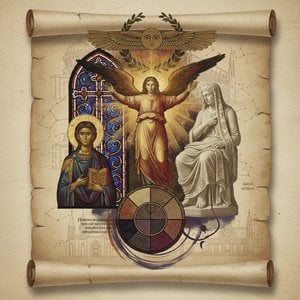
Explore the profound impact of spiritual themes in fine art. From Renaissance iconography to Baroque drama, discover how sacred symbolism and divine visions have shaped art history through a scholarly and reflective lens.

Embark on a profound journey through art history with our exploration of spiritual artworks. Discover the deep symbolism, emotional resonance, and transcendent power found in sacred Renaissance, Baroque, and Nabis masterpieces curated for the true classical art enthusiast.

 实景预览
实景预览
 分享
分享 分享
分享
 详情
详情 指南
指南

 下载作品
下载作品
 相似作品
相似作品 X射线
X射线 幻灯片播放
幻灯片播放 问答
问答
 统计数据
统计数据


 展开全文
展开全文









 玻璃选项仅适用于110厘米以下的尺寸。


