

博物馆级艺术微喷或帆布版画,制作高效,并提供多种饰面选择。 ( 订购纯手工绘制画作 切换至数字图像销售渠道)





























您可以从与原作比例一致的预设尺寸中进行选择。

请输入您所需的宽度和高度,以适配您的画框或墙面。由于印刷品只能进行裁剪,无法超出原图尺寸,因此若比例不一致,画面的一部分将会被裁切。在正式印刷之前,我们会为您发送一份数字效果图供您确认。本页面显示的图片并非最终裁剪后的效果——只有效果图才能展示真实的裁剪情况。
Fruit litho
复刻品尺寸
This exquisite 1897 lithograph by Alphonse Maria Mucha, measuring 44 x 66 cm, offers a captivating glimpse into the heart of Art Nouveau. More than just a depiction of fruit, it's an embodiment of the movement’s core tenets – a celebration of natural forms, flowing lines, and a profound sense of romanticism. The painting portrays a woman, elegantly dressed in a vibrant green gown, surrounded by a profusion of apples. These aren’t merely scattered objects; they are carefully arranged to create a visual symphony of color and texture, dominated by rich reds, oranges, yellows, and greens that evoke the bounty of autumn and the idealized beauty Mucha so often sought to capture.
Born in Brno, Czech Republic, in 1860, Alphonse Maria Mucha’s artistic journey began with a traditional education at the Academy of Fine Arts in Prague. However, he quickly recognized the limitations of academic constraints, seeking instead to forge his own path. His relocation to Paris in 1887 proved pivotal, allowing him to immerse himself within the burgeoning Parisian art scene and ultimately develop his signature Art Nouveau style. Mucha’s work was frequently commissioned for posters and decorative panels, reflecting a desire to integrate art into everyday life – a key principle of the movement. His studio became a hub for talented artisans, including illustrators and designers, contributing to the widespread dissemination of his aesthetic.
Mucha’s technique is immediately recognizable through its fluid lines and meticulous attention to detail. The lithograph showcases a masterful use of shading and texture, creating an almost tactile quality within the image. Notice how the apples themselves are rendered with a delicate realism, yet possess an inherent sense of movement – a hallmark of Art Nouveau's fascination with natural forms in motion. The woman’s pose is deliberately graceful, echoing the flowing drapery so characteristic of Mucha’s work and reflecting the influence of artists like Pierre-Auguste Renoir. The bowl of fruit isn’t simply a still life; it represents abundance, fertility, and perhaps even a subtle allusion to classical themes of plenty – frequently explored in Art Nouveau.
Created in 1897, ‘Fruit Litho’ sits squarely within the peak of Mucha's artistic prominence. This period coincided with the success of his 'Salon des Cent' exhibition in 1898, which catapulted him to international fame and solidified his reputation as a leading figure in Art Nouveau. The piece reflects the broader cultural trends of the late 19th century – a reaction against industrialization and a renewed interest in decorative arts and craftsmanship. It’s a testament to Mucha's ability to synthesize classical influences with modern sensibilities, creating an image that is both timelessly beautiful and deeply rooted in its historical context. This lithograph offers a tangible connection to a pivotal moment in art history, inviting viewers to experience the elegance and enchantment of Alphonse Maria Mucha’s vision.
莫奈 (Mò Nèi) 的《Fruit litho》 的色彩呈现出 Clear Color Presence 的饱和度与 Vivid 的强度。
建议将“Fruit litho”打印为 Large 尺寸。其他尺寸亦可按相同比例进行制作。
莫奈 (Mò Nèi) 的《Fruit litho》 中的色彩呈现出 Vivid 的强度。

1860 - 1939 , 捷克共和国

Discover the enchanting world of Art Nouveau. Explore the flowing lines of Alphonse Mucha and learn how to integrate these timeless, organic masterpieces into your collection with expert guidance on fine art appreciation and preservation.
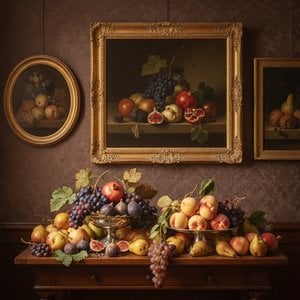
Discover the profound beauty of fruit still life paintings. Explore the rich symbolism, Baroque mastery, and timeless allure of nature's bounty through an art-historical lens, perfect for collectors and enthusiasts of classical fine art.

Discover the exquisite world of Art Nouveau. Explore the elegant fusion of nature and design through architectural masterpieces, organic forms, and the legendary masters of the Belle Époque. Immerse yourself in a journey of timeless sophistication and ornamental beauty.

Embark on a scholarly journey through the alchemy of lithography. This definitive guide offers collectors profound insights into the chemical mastery of stone and ink, the medium's historical legacy, and essential expertise for acquiring rare, museum-quality prints with absolute confidence.

Explore the profound beauty of fruit arrangement masterpieces. From Dutch Golden Age opulence to Baroque chiaroscuro, discover the art history, symbolism, and timeless elegance of classical still life paintings for the discerning collector.

 实景预览
实景预览
 分享
分享 分享
分享
 详情
详情 指南
指南

 下载作品
下载作品
 相似作品
相似作品 X射线
X射线 幻灯片播放
幻灯片播放 问答
问答
 统计数据
统计数据

 展开全文
展开全文









 玻璃选项仅适用于110厘米以下的尺寸。


